


Characterization of a novel chicken muscle disorder through differential gene expression and pathway analysis using RNA-sequencing
- PMID: 25994290
- PMCID: PMC4438523
- DOI: 10.1186/s12864-015-1623-0
Characterization of a novel chicken muscle disorder through differential gene expression and pathway analysis using RNA-sequencing
Abstract
Background: Improvements in poultry production within the past 50 years have led to increased muscle yield and growth rate, which may be contributing to an increased rate and development of new muscle disorders in chickens. Previously reported muscle disorders and conditions are generally associated with poor meat quality traits and have a significant negative economic impact on the poultry industry. Recently, a novel myopathy phenotype has emerged which is characterized by palpably "hard" or tough breast muscle. The objective of this study is to identify the underlying biological mechanisms that contribute to this emerging muscle disorder colloquially referred to as "Wooden Breast", through the use of RNA-sequencing technology.
Methods: We constructed cDNA libraries from five affected and six unaffected breast muscle samples from a line of commercial broiler chickens. After paired-end sequencing of samples using the Illumina Hiseq platform, we used Tophat to align the resulting sequence reads to the chicken reference genome and then used Cufflinks to find significant changes in gene transcript expression between each group. By comparing our gene list to previously published histology findings on this disorder and using Ingenuity Pathways Analysis (IPA®), we aim to develop a characteristic gene expression profile for this novel disorder through analyzing genes, gene families, and predicted biological pathways.
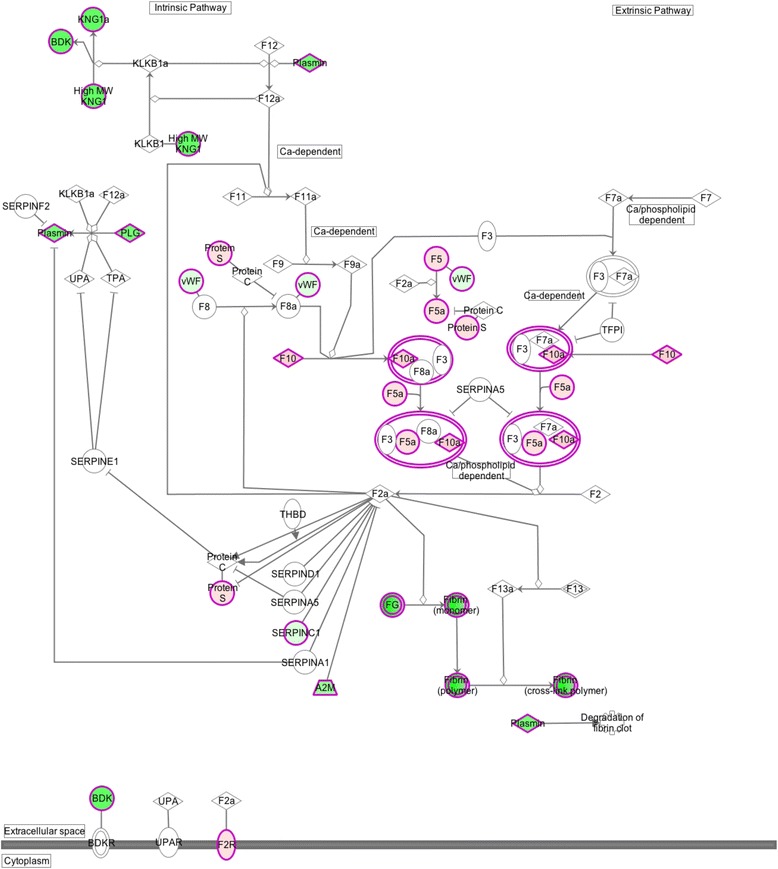
Results: Over 1500 genes were differentially expressed between affected and unaffected birds. There was an average of approximately 98 million reads per sample, across all samples. Results from the IPA analysis suggested "Diseases and Disorders" such as connective tissue disorders, "Molecular and Cellular Functions" such as cellular assembly and organization, cellular function and maintenance, and cellular movement, "Physiological System Development and Function" such as tissue development, and embryonic development, and "Top Canonical Pathways" such as, coagulation system, axonal guidance signaling, and acute phase response signaling, are associated with the Wooden Breast disease.
Conclusions: There is convincing evidence by RNA-seq analysis to support localized hypoxia, oxidative stress, increased intracellular calcium, as well as the possible presence of muscle fiber-type switching, as key features of Wooden Breast Disease, which are supported by reported microscopic lesions of the disease.
Figures


References
-
- Bianchi M, Petracci M, Franchini A, Cavani C. The occurrence of deep pectoral myopathy in roaster chickens. Poult Sci. 2006;85:1843–6. - PubMed
-
- Bilgili SF, Hess JB. Green Muscle Disease in broilers increasing. World Poult. 2002;18:42–3.
-
- Bilgili SF, Hess JB. Green Muscle Disease: Reducing the Incidence in Broiler Flocks. Ross Tech. 2008;8:48.
-
- Kuttappan VA, Lee YS, Erf GF, Meullenet J-FC, McKee SR, Owens CM. Consumer acceptance of visual appearance of broiler breast meat with varying degrees of white striping. Poult Sci. 2012;1240–1247. - PubMed
-
- Lesiów T, Kijowski J. Impact of PSE and DFD Meat On Poultry Processing – A Review. Polish J Food Nutr Sci. 2003;12/53:3–8.
Publication types
MeSH terms
LinkOut - more resources
Full Text Sources
Other Literature Sources
Medical
Miscellaneous
