


Exposure to HIV-1 Tat in brain impairs sensorimotor gating and activates microglia in limbic and extralimbic brain regions of male mice
- PMID: 26005128
- PMCID: PMC4497922
- DOI: 10.1016/j.bbr.2015.05.021
Exposure to HIV-1 Tat in brain impairs sensorimotor gating and activates microglia in limbic and extralimbic brain regions of male mice
Abstract
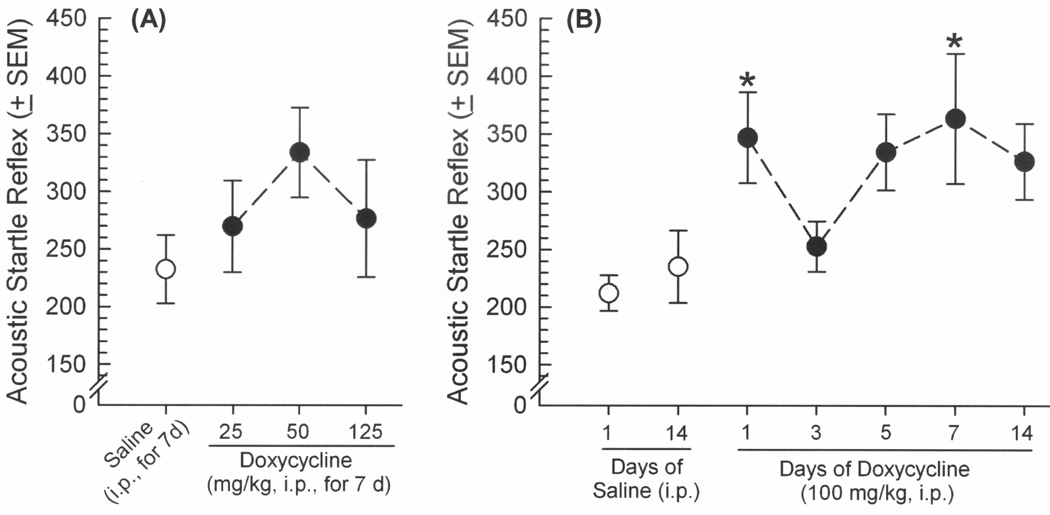
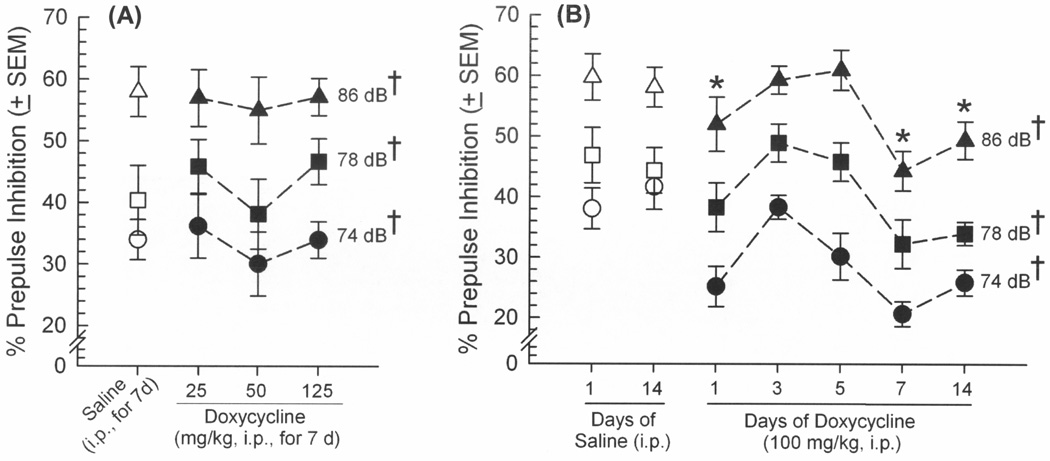
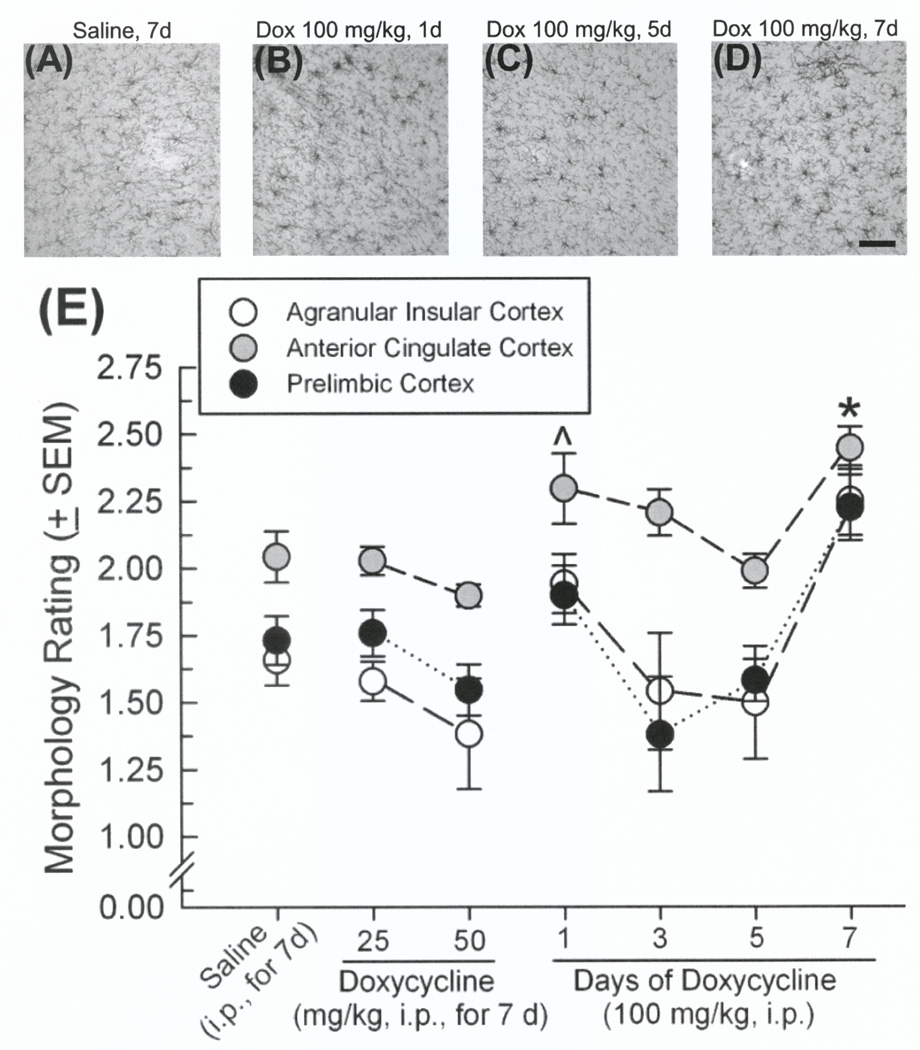
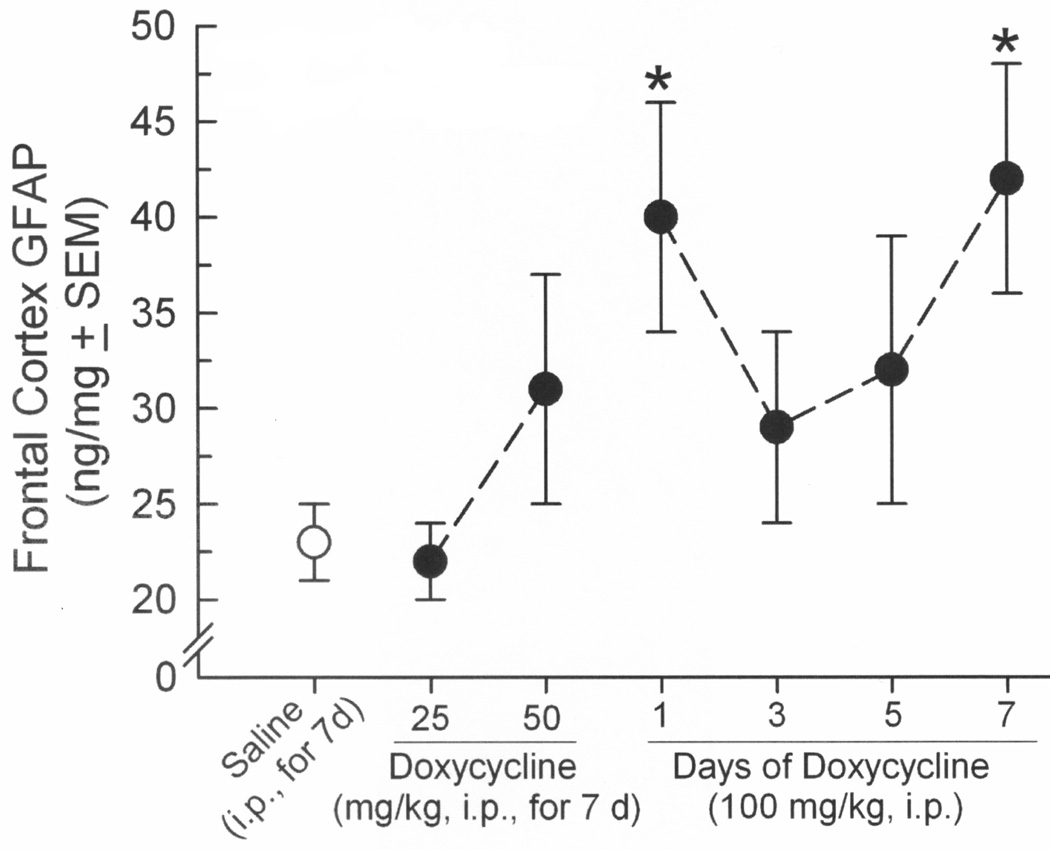
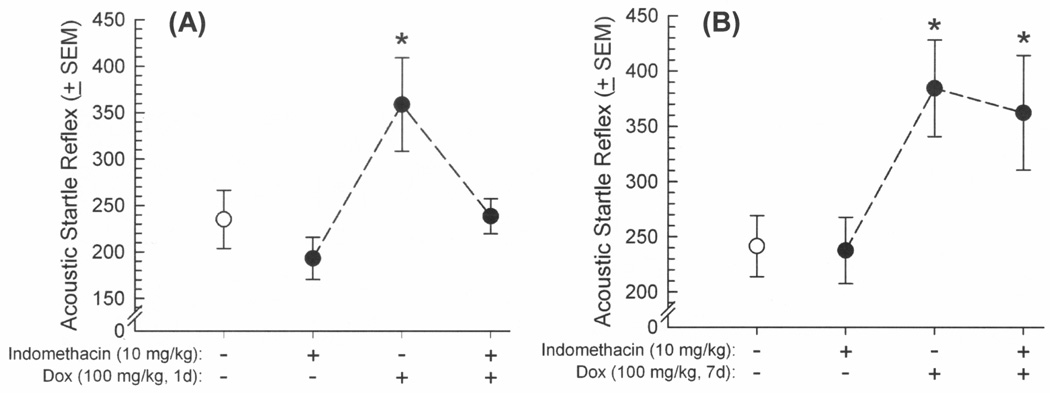
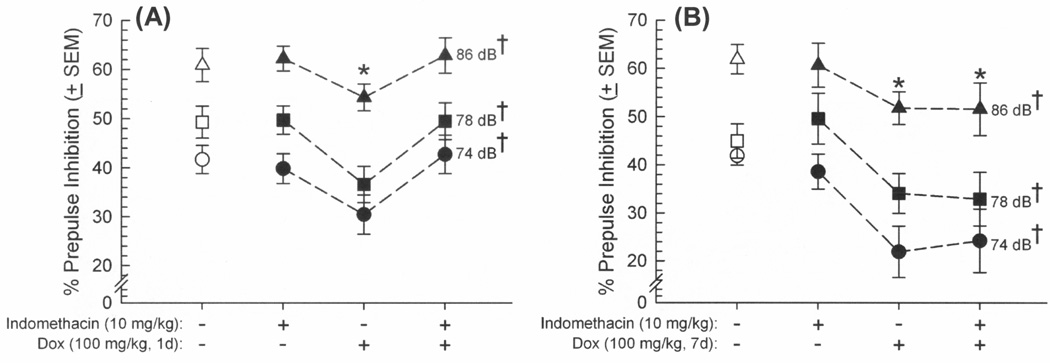
Human immunodeficiency virus (HIV) infection is associated with mood disorders and behavioral disinhibition. Impairments in sensorimotor gating and associated neurocognitive disorders are reported, but the HIV-proteins and mechanisms involved are not known. The regulatory HIV-1 protein, Tat, is neurotoxic and its expression in animal models increases anxiety-like behavior concurrent with neuroinflammation and structural changes in limbic and extra-limbic brain regions. We hypothesized that conditional expression of HIV-1 Tat1-86 in the GT-tg bigenic mouse model would impair sensorimotor gating and increase microglial reactivity in limbic and extralimbic brain regions. Conditional Tat induction via doxycycline (Dox) treatment (0-125 mg/kg, i.p., for 1-14 days) significantly potentiated the acoustic startle reflex (ASR) of GT-tg mice and impaired prepulse inhibition (PPI) of this response in a dose-dependent manner when Dox (100mg/kg) was administered for brief (1 day) or prolonged (daily for 7 days) intervals. A greater proportion of active/reactive Iba1-labeled microglia was seen in the anterior cingulate cortex (ACC), dentate gyrus, and nucleus accumbens core when Tat protein was induced under either brief or prolonged expression conditions. Other subregions of the medial prefrontal cortex, amygdala, hippocampal formation, ventral tegmental area, and ventral pallidum also displayed Tat-induced microglial activation, but only the activation observed in the ACC recapitulated the pattern of ASR and PPI behaviors. Tat exposure also increased frontal cortex GFAP. Pretreatment with indomethacin attenuated the behavioral effects of brief (but not prolonged) Tat-exposure. Overall, exposure to HIV-1 Tat protein induced sensorimotor deficits associated with acute and persistent neuroinflammation in limbic/extralimbic brain regions.
Keywords: Acoustic startle reflex; Glial fibrillary acidic protein (GFAP); Ionized calcium-binding adaptor protein 1; NeuroAIDS; Prepulse inhibition; Trans-activating transcriptor.
Copyright © 2015 Elsevier B.V. All rights reserved.
Figures
References
-
- Burdo TH, Katner SN, Taffe MA, Fox HS. Neuroimmunity, drugs of abuse, and neuroAIDS. J Neuroimmune Pharmacol. 2006;1:41–49. - PubMed
-
- Kopnisky KL, Bao J, Lin YW. Neurobiology of HIV, psychiatric and substance abuse comorbidity research: workshop report. Brain Behav Immun. 2007;21:428–441. - PubMed
-
- Copeland KF. Modulation of HIV-1 transcription by cytokines and chemokines. Mini Rev Med Chem. 2005;5:1093–1101. - PubMed
Publication types
MeSH terms
Substances
Grants and funding
LinkOut - more resources
Full Text Sources
Other Literature Sources
Molecular Biology Databases
Research Materials
Miscellaneous
