


Cognitive-behavioural treatment for subacute and chronic neck pain
- PMID: 26006174
- PMCID: PMC8922276
- DOI: 10.1002/14651858.CD010664.pub2
Cognitive-behavioural treatment for subacute and chronic neck pain
Abstract
Editorial note: EXPRESSION OF CONCERN - Professor Marco Monticone has acted as the first author of this Cochrane review. Readers should be informed that multiple randomized controlled trials authored by Professor Monticone have been scrutinized because of potential research integrity issues, including irregularities in the data (doi:10.1097/j.pain.0000000000002659). One of the trials suspected of research integrity issues is included in this Cochrane review (doi:10.1007/s00586-012-2287-y). The Cochrane editorial team has concerns about the trustworthiness of the trial data and is applying Cochrane's policy on managing potentially problematic studies (https://www.cochranelibrary.com/cdsr/editorial-policies#problematic-studies). No major differences to the conclusions of this review were found after performing a sensitivity analysis on the main outcomes, whether the potentially problematic trial was included or excluded. Cochrane will take further action as needed on this review once additional investigations into the potentially problematic trial are concluded. In the meantime, a new version of this review topic is underway with a new author team. The new review will supersede this review.
Background: Although research on non-surgical treatments for neck pain (NP) is progressing, there remains uncertainty about the efficacy of cognitive-behavioural therapy (CBT) for this population. Addressing cognitive and behavioural factors might reduce the clinical burden and the costs of NP in society.
Objectives: To assess the effects of CBT among individuals with subacute and chronic NP. Specifically, the following comparisons were investigated: (1) cognitive-behavioural therapy versus placebo, no treatment, or waiting list controls; (2) cognitive-behavioural therapy versus other types of interventions; (3) cognitive-behavioural therapy in addition to another intervention (e.g. physiotherapy) versus the other intervention alone.
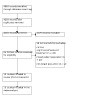
Search methods: We searched CENTRAL, MEDLINE, EMBASE, CINAHL, PsycINFO, SCOPUS, Web of Science, and PubMed, as well as ClinicalTrials.gov and the World Health Organization International Clinical Trials Registry Platform up to November 2014. Reference lists and citations of identified trials and relevant systematic reviews were screened.
Selection criteria: We included randomised controlled trials that assessed the use of CBT in adults with subacute and chronic NP.
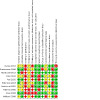
Data collection and analysis: Two review authors independently assessed the risk of bias in each study and extracted the data. If sufficient homogeneity existed among studies in the pre-defined comparisons, a meta-analysis was performed. We determined the quality of the evidence for each comparison with the GRADE approach.
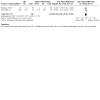
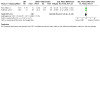
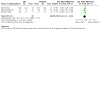
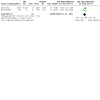
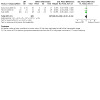
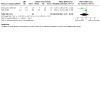
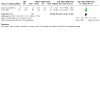
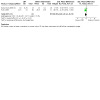
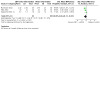
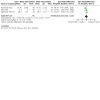
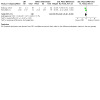
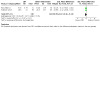
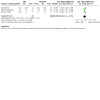
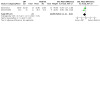
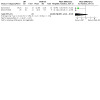
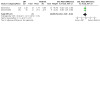
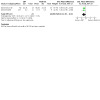
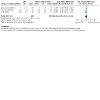
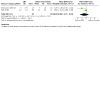
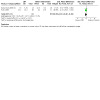
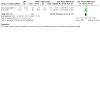
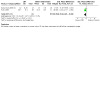
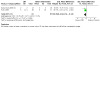
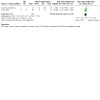
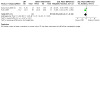
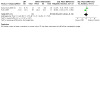
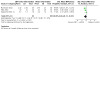
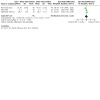
Main results: We included 10 randomised trials (836 participants) in this review. Four trials (40%) had low risk of bias, the remaining 60% of trials had a high risk of bias.The quality of the evidence for the effects of CBT on patients with chronic NP was from very low to moderate. There was low quality evidence that CBT was better than no treatment for improving pain (standard mean difference (SMD) -0.58, 95% confidence interval (CI) -1.01 to -0.16), disability (SMD -0.61, 95% CI -1.21 to -0.01), and quality of life (SMD -0.93, 95% CI -1.54 to -0.31) at short-term follow-up, while there was from very low to low quality evidence of no effect on various psychological indicators at short-term follow-up. Both at short- and intermediate-term follow-up, CBT did not affect pain (SMD -0.06, 95% CI -0.33 to 0.21, low quality, at short-term follow-up; MD -0.89, 95% CI -2.73 to 0.94, low quality, at intermediate-term follow-up) or disability (SMD -0.10, 95% CI -0.40 to 0.20, moderate quality, at short-term follow-up; SMD -0.24, 95% CI-0.54 to 0.07, moderate quality, at intermediate-term follow-up) compared to other types of interventions. There was moderate quality evidence that CBT was better than other interventions for improving kinesiophobia at intermediate-term follow-up (SMD -0.39, 95% CI -0.69 to -0.08, I(2) = 0%). Finally, there was very low quality evidence that CBT in addition to another intervention did not differ from the other intervention alone in terms of effect on pain (SMD -0.36, 95% CI -0.73 to 0.02) and disability (SMD -0.10, 95% CI -0.56 to 0.36) at short-term follow-up.For patients with subacute NP, there was low quality evidence that CBT was better than other interventions at reducing pain at short-term follow-up (SMD -0.24, 95% CI -0.48 to 0.00), while no difference was found in terms of effect on disability (SMD -0.12, 95% CI -0.36 to 0.12) and kinesiophobia.None of the included studies reported on adverse effects.
Authors' conclusions: With regard to chronic neck pain, CBT was found to be statistically significantly more effective for short-term pain reduction only when compared to no treatment, but these effects could not be considered clinically meaningful. When comparing both CBT to other types of interventions and CBT in addition to another intervention to the other intervention alone, no differences were found. For patients with subacute NP, CBT was significantly better than other types of interventions at reducing pain at short-term follow-up, while no difference was found for disability and kinesiophobia. Further research is recommended to investigate the long-term benefits and risks of CBT including for the different subgroups of subjects with NP.
Conflict of interest statement
None.
Figures
Update of
References
References to studies included in this review
Dunne 2012 {published data only}
-
- Dunne RL, Kenardy J, Sterling M. A randomized controlled trial of cognitive-behavioral therapy for the treatment of PTSD in the context of chronic whiplash. Clinical Journal of Pain 2012;28(9):755-65. - PubMed
Gustavsson 2006 {published data only}
-
- Gustavsson C, Koch L. Applied relaxation in the treatment of long-lasting neck pain: a randomized controlled pilot study. Journal of Rehabilitation Medicine 2006;38(2):100-7. - PubMed
Monticone 2012 {published data only}
Pato 2010 {published data only}
-
- Pato U, Di Stefano G, Fravi N, Arnold M, Curatolo M, Radanov BP, et al. Comparison of randomized treatments for late whiplash. Neurology 2010;74(15):1223-30. - PubMed
Pool 2010 {published data only}
-
- Bosmans JE, Pool JJM, De Vet HC, Van Tulder MW, Ostelo RW. Is behavioral graded activity cost-effective in comparison with manual therapy for patients with subacute neck pain? An economic evaluation alongside a randomized clinical trial. Spine 2011;36(18):E1179-86. - PubMed
-
- Pool JJ, Ostelo RW, Knol DL, Vlaeyen JW, Bouter LM, De Vet HC. Is a behavioral graded activity program more effective than manual therapy in patients with subacute neck pain? Results of a randomized clinical trial. Spine 2010;35(10):1017-24. - PubMed
-
- Pool JJ, Ostelo RW, Köke AJ, Bouter LM, De Vet HC. Comparison of the effectiveness of a behavioural graded activity program and manual therapy in patients with sub-acute neck pain: design of a randomized clinical trial. Manual Therapy 2006;11(4):297-305. - PubMed
Robinson 2013 {published data only}
Soderlund 2001 {published data only}
-
- Soderlund A, Lindberg P. Cognitive behavioural components in physiotherapy management of chronic whiplash associated disorders (WAD) - A randomised group study. Physiotherapy Theory and Practice 2001;17(4):229-38. - PubMed
-
- Soderlund A, Lindberg P. Cognitive behavioural components in physiotherapy management of chronic whiplash associated disorders (WAD)--a randomised group study. Giornale Italiano di Medicina del Lavoro ed Ergonomia 2007;29(1 Suppl A):A5-11. - PubMed
Taimela 2000 {published data only}
-
- Taimela S, Takala EP, Asklöf T, Seppälä K, Parviainen S. Active treatment of chronic neck pain: a prospective randomized intervention. Spine 2000;25(8):1021-7. - PubMed
Vonk 2009 {published data only}
-
- Vonk F, Verhagen AP, Twisk JW, Köke AJ, Luiten MW, Koes BW. Effectiveness of a behaviour graded activity program versus conventional exercise for chronic neck pain patients. European Journal of Pain 2009;13(5):533-41. - PubMed
Wicksell 2008 {published data only}
-
- Wicksell RK, Ahlqvist J, Bring A, Melin L, Olsson GL. Can exposure and acceptance strategies improve functioning and life satisfaction in people with chronic pain and whiplash-associated disorders (WAD)? A randomized controlled trial. Cognitive Behaviour Therapy 2008;37(3):169-82. - PubMed
References to studies excluded from this review
Andersen 2008 {published data only}
-
- Andersen LL, Jørgensen MB, Blangsted AK, Pedersen MT, Hansen EA, Sjøgaard G. A randomized controlled intervention trial to relieve and prevent neck/shoulder pain. Medicine and Science in Sports and Exercise 2008;40(6):983-90. - PubMed
Andersen 2012 {published data only}
-
- Andersen LL, Andersen CH, Sundstrup E, Jakobsen MD, Mortensen OS, Zebis MK. Central adaptation of pain perception in response to rehabilitation of musculoskeletal pain: Randomized controlled trial. Pain Physician 2012;15(5):385-93. - PubMed
Aslan Telci 2012 {published data only}
-
- Aslan Telci E, Karaduman A. Effects of three different conservative treatments on pain, disability, quality of life, and mood in patients with cervical spondylosis. Rheumatology International 2012;32(4):1033-40. - PubMed
Bablis 2008 {published data only}
Bergstrom 2012 {published data only}
-
- Bergstrom C, Jensen I, Hagberg J, Busch H, Bergstrom G. Effectiveness of different interventions using a psychosocial subgroup assignment in chronic neck and back pain patients: A 10-year follow-up. Disability and Rehabilitation 2012;34(2):110-8. - PubMed
Bernaards 2008 {published data only}
-
- Bernaards CM, Ariëns GA, Simons M, Knol DL, Hildebrandt VH. Improving work style behavior in computer workers with neck and upper limb symptoms. Journal of Occupational Rehabilitation 2008;18(1):87-101. - PubMed
Bissett 1985 {published data only}
-
- Bissett A, Mitchell KR, Major G. The cervico-brachial pain syndrome: muscle activity and pain relief. Behaviour Change 1985;2(2):129-35.
Bronfort 2012 {published data only}
-
- Bronfort G, Evans R, Anderson AV, Svendsen KH, Bracha Y, Grimm RH. Spinal manipulation, medication, or home exercise with advice for acute and subacute neck pain:A randomized trial. Annals of Internal Medicine 2012;156(1):1-10. - PubMed
Bunketorp 2006 {published data only}
-
- Bunketorp L, Lindh M, Carlsson J, Stener-Victorin E. The perception of pain and pain-related cognitions in subacute whiplash-associated disorders: its influence on prolonged disability. Disability and Rehabilitation 2006;28(5):271-9. - PubMed
Busch 2011 {published data only}
-
- Busch H, Bodin L, Bergström G, Jensen IB. Patterns of sickness absence a decade after pain-related multidisciplinary rehabilitation. Pain 2011;152(8):1727-33. - PubMed
Cramer 2012 {published data only}
-
- Cramer H, Lauche R, Haller H, Langhorst J, Dobos G, Berger B. Becoming aware of your body: A qualitative study on yoga for chronic neck pain patients. BMC Complementary and Alternative Medicine 2012;12(Suppl 1):P393.
Cramer 2013 {published data only}
-
- Cramer H, Lauche R, Hohmann C, Langhorst J, Dobos G. Yoga for Chronic Neck Pain: A 12-Month Follow-Up. Pain Medicine (United States) 2013;14(4):541-8. - PubMed
Cramer 2013a {published data only}
-
- Cramer H, Lauche R, Hohmann C, Lüdtke R, Haller H, Michalsen A, Langhorst J, Dobos G. Randomized-controlled trial comparing yoga and home-based exercise for chronic neck pain. Clinical Journal of Pain 2013;29(3):216-23. - PubMed
Dehner 2009 {published data only}
Ehrenborg 2010 {published data only}
-
- Ehrenborg C, Archenholtz B. Is surface EMG biofeedback an effective training method for persons with neck and shoulder complaints after whiplash-associated disorders concerning activities of daily living and pain -- a randomized controlled trial. Clinical Rehabilitation 2010;24(8):715-26. - PubMed
Gale 2002 {published data only}
-
- Gale G, Nussbaum D, Rothbart P, Hann B, Leung V, Kanetz G. A randomized treatment study to compare the efficacy of repeated nerve blocks with cognitive therapy for control of chronic head and neck pain. Pain Research & Management 2002;7(4):185-9. - PubMed
Gustavsson 2010 {published data only}
-
- Gustavsson C, Denison E, Koch L. Self-management of persistent neck pain: A randomized controlled trial of a multi-component group intervention in primary health care. European journal of Pain 2010;14(6):630.e1-630.e11. - PubMed
Gustavsson 2011 {published data only}
-
- Gustavsson C, Denison E, Koch L. Self-management of persistent neck pain: Two-year follow-up of a randomized controlled trial of a multicomponent group intervention in primary health care. Spine 2011;36(25):2105-15. - PubMed
Haugli 2003 {published data only}
-
- Haugli L, Steen E, Laerum E, Nygard R, Finset A. Psychological distress and employment status. Effects of a group learning programme for patients with chronic musculoskeletal pain. Psychology, Health & Medicine 2003;8(2):135-48.
Jensen 1995 {published data only}
-
- Jensen I, Nygren A, Gamberale F, Goldie I, Westerholm P, Jonsson E. The Role of the Psychologist in Multidisciplinary Treatments for Chronic Neck and Shoulder Pain - A Controlled Cost-Effectiveness Study. Scandinavian Journal of Rehabilitation Medicine 1995;27(1):19-26. - PubMed
Jensen 1997 {published data only}
-
- Jensen IB, Dahlquist C, Nygren A, Royen E, Stenberg M. Treatment for "helpless" women suffering from chronic spinal pain: a randomized controlled 18-month follow-up study. Journal of Occupational Rehabilitation 1997;7(4):225-38.
Jensen 1998 {published data only}
-
- Jensen IB, Bodin L. Multimodal cognitive-behavioural treatment for workers with chronic spinal pain: A matched cohort study with an 18-month follow-up. Pain 1998;76(1-2):35-44. - PubMed
Jensen 2005 {published data only}
-
- Jensen IB, Bergström G, Ljungquist T, Bodin L. A 3-year follow-up of a multidisciplinary rehabilitation programme for back and neck pain. Pain 2005;115(3):273-83. - PubMed
Jorgensen 2011 {published data only}
Klaber 2005 {published data only}
Klaber 2006 {published data only}
-
- Moffett JK, Jackson DA, Gardiner ED, Torgerson DJ, Coulton S, Eaton S, Mooney MP, Pickering C, Green AJ, Walker LG, May S, Young S. Randomized trial of two physiotherapy interventions for primary care neck and back pain patients: 'McKenzie' vs brief physiotherapy pain management. Rheumatology 2006;45(12):1514-21. - PubMed
Lindell 2008 {published data only}
Linton 2000 {published data only}
-
- Linton SJ, Andersson T. Can chronic disability be prevented? A randomized trial of a cognitive-behavior intervention and two forms of information for patients with spinal pain. Spine 2000;25(21):2825-31. - PubMed
Linton 2001 {published data only}
-
- Linton SJ, Ryberg M. A cognitive-behavioral group intervention as prevention for persistent neck and back pain in a non-patient population: a randomized controlled trial. Pain 2001;90(1-2):83-90. - PubMed
Manca 2007 {published data only}
-
- Manca A, Dumville JC, Torgerson DJ, Klaber Moffett JA, Mooney MP, Jackson DA, et al. Randomized trial of two physiotherapy interventions for primary care back and neck pain patients: cost effectiveness analysis. Rheumatology 2007;46(9):1495-501. - PubMed
Marhold 2001 {published data only}
-
- Marhold C, Linton SJ, Melin L. A cognitive-behavioral return-to-work program: Effects on pain patients with a history of long-term versus short-term sick leave. Pain 2001;91(1-2):155-63. - PubMed
McLean 2013 {published data only}
-
- McLean SM, Klaber Moffett JA, Sharp DM, Gardiner E. A randomised controlled trial comparing graded exercise treatment and usual physiotherapy for patients with non-specific neck pain (the GET UP neck pain trial). Manual Therapy 2013;18(3):199-205. - PubMed
Michalsen 2012 {published data only}
-
- Michalsen A, Traitteur H, Lüdtke R, Brunnhuber S, Meier L, Jeitler M, Büssing A, Kessler C. Yoga for chronic neck pain: A pilot randomized controlled clinical trial. Journal of Pain 2012;13(11):1122-30. - PubMed
Mongini 2012 {published data only}
-
- Mongini F, Evangelista A, Milani C, Ferrero L, Ciccone G, Ugolini A, Piedimonte A, Sigaudo M, Carlino E, Banzatti E, Galassi C. An educational and physical program to reduce headache, neck/shoulder pain in a working community: a cluster-randomized controlled trial. Plos One 2012;7(1):e29637. - PMC - PubMed
Persson 2001 {published data only}
-
- Persson LC, Lilja A. Pain, coping, emotional state and physical function in patients with chronic radicular neck pain. A comparison between patients treated with surgery, physiotherapy or neck collar - A blinded, prospective randomized study. Disability and Rehabilitation 2001;23(8):325-35. - PubMed
Salo 2012 {published data only}
-
- Salo P, Ylonen-Kayra N, Hakkinen A, Kautiainen H, Malkia E, Ylinen J. Effects of long-term home-based exercise on health-related quality of life in patients with chronic neck pain: a randomized study with a 1-year follow-up. Disability and Rehabilitation 2012;34(23):1971-7. - PubMed
Scholten‐Peeters 2006 {published data only}
-
- Scholten-Peeters GG, Neeleman-van der Steen CW, Windt DA, Hendriks EJ, Verhagen AP, Oostendorp RA. Education by general practitioners or education and exercises by physiotherapists for patients with whiplash-associated disorders? A randomized clinical trial. Spine 2006;31(7):723-31. - PubMed
Skillgate 2007 {published data only}
-
- Skillgate E, Vingård E, Alfredsson L. Naprapathic manual therapy or evidence-based care for back and neck pain: A randomized, controlled trial. Clinical Journal of Pain 2007;23(5):431-9. - PubMed
Skillgate 2010 {published data only}
Soderlund 2000 {published data only}
-
- Soderlund A, Olerud C, Lindberg P. Acute whiplash-associated disorders (WAD): the effects of early mobilization and prognostic factors in long-term symptomatology. Clinical Rehabilitation 2000;14(5):457-67. - PubMed
Song 2012 {published data only}
-
- Song CH, Jang HJ, Lee KJ, Lee YW. Active exercise program in patients with nonspecific chronic neck pain: A randomized controlled trial. Pain practice 2012;Proceedings of the 6th World Congress - World Institute of Pain;2012 Feb 4-6; Miami Beach:195-6.
Stewart 2007 {published data only}
-
- Stewart MJ, Maher CG, Refshauge KM, Herbert RD, Bogduk N, Nicholas M. Randomized controlled trial of exercise for chronic whiplash-associated disorders. Pain 2007;128(1-2):59-68. - PubMed
Storro 2004 {published data only}
-
- Storrø S, Moen J, Svebak S. Effects on sick-leave of a multidisciplinary rehabilitation programme for chronic low back, neck or shoulder pain: comparison with usual treatment. Journal of Rehabilitation Medicine 2004;36(1):12-6. - PubMed
Tan 2009 {published data only}
-
- Tan EP, Tan ES, Ng BY. Efficacy of cognitive behavioural therapy for patients with chronic pain in Singapore. Annals of the Academy of Medicine, Singapore 2009;38(11):952-9. - PubMed
Viljanen 2003 {published data only}
Yin 2006 {published data only}
-
- Yin XT, Wang JT, Hu XM, Yin W. [Mental status and psychotherapy in patients with cervical spondylosis after physiotherapy]. Chinese Journal of Clinical Rehabilitation 2006;10(46):28-30.
Ylinen 2003 {published data only}
-
- Ylinen J, Takala EP, Nykänen M, et al. Both endurance training and strength training reduces disability and pain in chronic non-specific neck pain in women. Evidence-based Medicine 2003;8(6):184.
Yogitha 2010 {published data only}
Yogitha 2012 {published data only}
-
- Yogitha B, John E. Efficacy of mind sound resonance technique in common neck pain. International Journal of Research in Ayurveda and Pharmacy 2012;3(2):227-33.
Zebis 2011 {published data only}
-
- Zebis MK, Andersen LL, Pedersen MT, Mortensen P, Andersen CH, Pedersen MM, Boysen M, Roessler KK, Hannerz H, Mortensen OS, Sjøgaard G. Implementation of neck/shoulder exercises for pain relief among industrial workers: a randomized controlled trial. BMC Musculoskeletal Disorders 2011;12:205. - PMC - PubMed
Additional references
Ariens 2001
-
- Ariëns GA, Mechelen W, Bongers PM, Bouter LM, Wal G. Psychosocial risk factors for neck pain: a systematic review. American Journal of Industrial Medicine 2001;39(2):180–93. - PubMed
Binder 2006
-
- Binder A. Neck pain. Clinical Evidence 2006;15:1654–75. - PubMed
Boutron 2005
-
- Boutron I, Moher D, Tugwell P, Giraudeau B, Poiraudeau S, Nizard R, Ravaud P. A checklist to evaluate a report of a nonpharmacological trial (CLEAR NPT) was developed using consensus. Journal of Clinical Epidemiology 2005;58(12):1233-40. - PubMed
Butler 2006
-
- Butler AC, Chapman JE, Forman EM, Beck AT. The empirical status of cognitive behavioral therapy: a review of meta-analyses. Clinical Psychology Review 2006;26(1):17–31. - PubMed
Carroll 2008
-
- Carroll LJ, Hogg-Johnson S, Velde G, Haldeman S, Holm LW, Carragee EJ, Hurwitz EL, Côté P, Nordin M, Peloso PM, Guzman J, Cassidy JD. Course and prognostic factors for neck pain in the general population: results of the Bone and Joint Decade 2000-2010 Task Force on Neck Pain and Its Associated Disorders. Spine 2008;33(4 Suppl):S75-82. - PubMed
Cleland2008
-
- Cleland JA, Childs JD, Whitman JM. Psychometric properties of the Neck Disability Index and Numeric Pain Rating Scale in patients with mechanical neck pain. Arch Phys Med Rehabil 2008;89(1):69-74. - PubMed
Cotè 2008
-
- Côté P, Velde G, Cassidy JD, Carroll LJ, Hogg-Johnson S, Holm LW, Carragee EJ, Haldeman S, Nordin M, Hurwitz EL, Guzman J, Peloso PM. The burden and determinants of neck pain in workers: results of the Bone and Joint Decade 2000-2010 Task Force on Neck Pain and Its Associated Disorders. Journal of Manipulative and Physiological Therapeutics 2009;32(2 Suppl):S70-86. - PubMed
Croft 2001
-
- Croft PR, Lewis M, Papageorgiou AC, Thomas E, Jayson MI, Macfarlane GJ, Silman AJ. Risk factors for neck pain: a longitudinal study in the general population. Pain 2001;93(3):317–25. - PubMed
Duffy 2014
-
- Duffy S, Misso K, Noake C, Ross J, Stirk L. Supplementary searches of PubMed to improve currency of MEDLINE and MEDLINE In-Process searches via OvidSP. Kleijnen Systematic Reviews Ltd, York.:Poster presented at the UK InterTASC Information Specialists' Sub-Group (ISSG) Workshop; 9 July 2014; Exeter: UK (2014) [accessed 6.8.14]. Available from: https://medicine.exeter.ac.uk/media/universityofexeter/medicalschool/res....
Egger 1997
Foster 2003
-
- Foster NE, Pincus T, Underwood MR, Vogel S, Breen A, Harding G. Understanding the process of care for musculoskeletal conditions—why a biomedical approach is inadequate. Rheumatology 2003;42(3):401–4. - PubMed
Furlan 2009
-
- Furlan AD, Pennick V, Bombardier C, Tulder M, Editorial Board Cochrane Back Review Group. 2009 updated method guidelines for systematic reviews in the Cochrane Back Review Group. Spine 2009;34(18):1929-41. - PubMed
GRADEpro [Computer program]
-
- GRADEpro. Version on www.gradepro.org. McMaster University, 2014.
Guzman 2008
-
- Guzman J, Hurwitz EL, Carroll LJ, Haldeman S, Cotè P, Carragee EJ, et al. A new conceptual model of neck pain: linking onset, course, and care: the Bone and Joint Decade 2000–2010 Task Force on Neck Pain and Its Associated Disorders. Spine 2008;33(4 Suppl):S14–23. - PubMed
Harbord 2006
-
- Harbord RM, Egger M, Sterne JA. A modified test for small-study effects in meta-analyses of controlled trials with binary endpoints. Statistics in Medicine 2006;25(20):3443-57. - PubMed
Hazard 2012
-
- Hazard RG, Spratt KF, McDonough CM, Olson CM, Ossen ES, Hartmann EM, Carlson RJ, LaVoie J. Patient-centered evaluation of outcomes from rehabilitation for chronic disabling spinal disorders: the impact of personal goal achievement on patient satisfaction. Spine Journal 2012;12(12):1132-7. - PMC - PubMed
Henschke 2010
Higgins 2011
-
- Higgins JPT, Green S (editors). Cochrane Handbook for Systematic Reviews of Interventions. The Cochrane Collaboration, 2011.
Hogg‐Johnson 2008
-
- Hogg-Johnson S, Velde G, Carroll LJ, Holm LW, Cassidy JD, Guzman J, et al. The burden and determinants of neck pain in the general population: the Bone and Joint Decade 2000–2010 Task Force on Neck Pain and Its Associated Disorders. Spine 2008;33(4 Suppl):S39–51. - PubMed
Hoving 2001
-
- Hoving JL, Gross AR, Gasner D, Kay T, Kennedy C, Hondras MA, Haines T, Bouter LM. A critical appraisal of review articles on the effectiveness of conservative treatment for neck pain. Spine 2001;26(2):196–205. - PubMed
Hurwitz 2008
-
- Hurwitz EL, Carragee EJ, Velde G, Carroll LJ, Nordin M, Guzman J, et al. Treatment of neck pain: non-invasive interventions: results of the Bone and Joint Decade 2000–2010 Task Force on Neck Pain and Its Associated Disorders. Spine 2008;33(4 Suppl):S123–52. - PubMed
Huskinson 1974
-
- Huskinson EC. Measurement of pain. Lancet 1974;2:1127–31. - PubMed
Kori 1990
-
- Kori KS, Miller RP, Todd DD. Kinesiophobia: a new view of chronic pain behaviour. Pain Management Nursing 1990;3:35–43.
Linton 2000b
-
- Linton Sj. A review of psychological risk factors in back and neck pain. Spine 2000;25(9):1148–56. - PubMed
Main 2008
-
- Main CJ, Sullivan MJL, Watson PJ. Pain Management: Practical Applications of the Biopsychosocial Perspective in Clinical and Occupational Settings. 2nd edition. Edinburgh: Churchill Livingstone Elsevier, 2008.
Malmivaara 2006
-
- Malmivaara A, Koes BW, Bouter LM, Tulder MW. Applicability and clinical relevance of results in randomized controlled trials: the Cochrane review on exercise therapy for low back pain as an example. Spine 2006;31(13):1405-9. - PubMed
Monticone 2013
-
- Monticone M, Ferrante S, Rocca B, Baiardi P, Farra FD, Foti C. Effect of a long-lasting multidisciplinary program on disability and fear-avoidance behaviors in patients with chronic low back pain: results of a randomized controlled trial. Clinical Journal of Pain 2013;29(11):929-38. - PubMed
Monticone 2014
-
- Monticone M, Ambrosini E, Rocca B, Magni S, Brivio F, Ferrante S. A multidisciplinary rehabilitation programme improves disability, kinesiophobia and walking ability in subjects with chronic low back pain: results of a randomised controlled pilot study. European Spine Journal 2014;23(10):2105-13. - PubMed
Morley 2011
-
- Morley S. Efficacy and effectiveness of cognitive behaviour therapy for chronic pain: progress and some challenges. Pain 2011;152(3 Suppl):S99–106. - PubMed
Pincus 2002
-
- Pincus T, Vlaeyen JW, Kendall NA, Von Korff MR, Kalauokalani DA, Reis S. Cognitive-behavioral therapy and psychosocial factors in low back pain: directions for the future. Spine 2002;27(5):E133–8. - PubMed
Pincus 2006
-
- Pincus T, Vogel S, Burton AK, Santos R, Field AP. Fear avoidance and prognosis in back pain: a systematic review and synthesis of current evidence. Arthritis & Rheumatism 2006;54(12):3999-4010. - PubMed
Revman [Computer program]
-
- Review Manager (RevMan). Version 5.3. Copenhagen: The Nordic Cochrane Centre, The Cochrane Collaboration, 2014.
Sullivan 1995
-
- Sullivan MJ, Bishop SR, Pivik J. The pain catastrophizing scale: development and validation. Psychological Assessment 1995;7:524–32.
Turk 1984
-
- Turk DC, Flor H. Etiological theories and treatments for chronic back pain. II. Psychological models and interventions. Pain 1984;19(3):209–33. - PubMed
van Tulder 2003
-
- Tulder M, Furlan A, Bombardier C, Bouter L, Editorial Board Cochrane Back Review Group. Updated method guidelines for systemic reviews in the Cochrane Collaboration Back Review Group. Spine 2003;28(12):1290-9. - PubMed
Vernon 1991
-
- Vernon H, Mior S. The Neck Disability Index: a study of reliability and validity. Journal of Manipulative and Physiological Therapeutics 1991;14(7):409–15. - PubMed
Vlaeyen 1995
-
- Vlaeyen JW, Kole-Snijders AM, Boeren RG, Eek H. Fear of movement/(re)injury in chronic low back pain and its relation to behavioural performance. Pain 1995;62(3):363–72. - PubMed
Vlaeyen 2000
-
- Vlaeyen JW, Linton SJ. Fear-avoidance and its consequences in chronic musculoskeletal pain: a state of the art. Pain 2000;85(3):317–32. - PubMed
Vlaeyen 2005
-
- Vlaeyen JW, Morley S. Cognitive-behavioral treatments for chronic pain: what works for whom? Clinical Journal of Pain 2005;21(1):1-8. - PubMed
Ware 1992
-
- Ware JE, Sherbourne CD. The MOS 36-item short-form health survey (SF-36). I. Conceptual framework and item selection.. Medical Care 1992;30(6):437-83. - PubMed
Wheeler 1999
-
- Wheeler AH, Goolkasian P, Baird AC, Darden BV 2nd. Development of the Neck Pain and Disability Scale: item analysis, face, and criterion-related validity. Spine 1999;24(13):1290–4. - PubMed
Young2009
-
- Young BA, Walker MJ, Strunce JB, Boyles RE, Whitman JM, Childs JD. Responsiveness of the Neck Disability Index in patients with mechanical neck disorders. Spine Journal 2009;9(10):802-8. - PubMed
Young2010
-
- Young IA, Cleland JA, Michener LA, Brown C. Reliability, construct validity, and responsiveness of the neck disability index, patient-specific functional scale, and numeric pain rating scale in patients with cervical radiculopathy. American Journal of Physical Medicine & Rehabilitation 2010;89(10):831-9. - PubMed
Publication types
MeSH terms
LinkOut - more resources
Full Text Sources
Medical
Research Materials
Miscellaneous
