


Starvation-induced collective behavior in C. elegans
- PMID: 26013573
- PMCID: PMC4445038
- DOI: 10.1038/srep10647
Starvation-induced collective behavior in C. elegans
Abstract
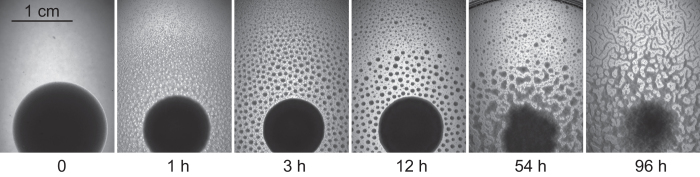
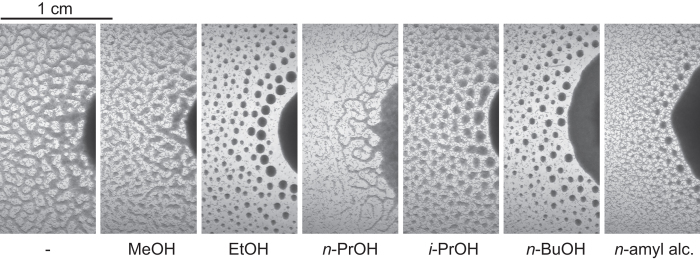
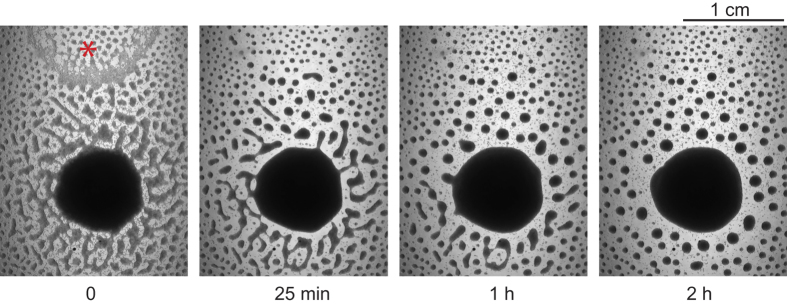
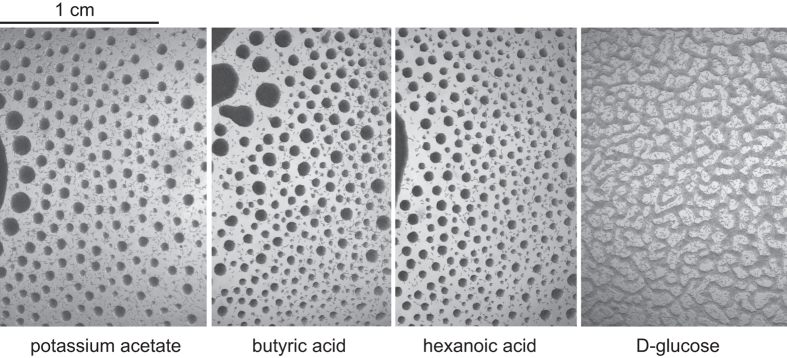
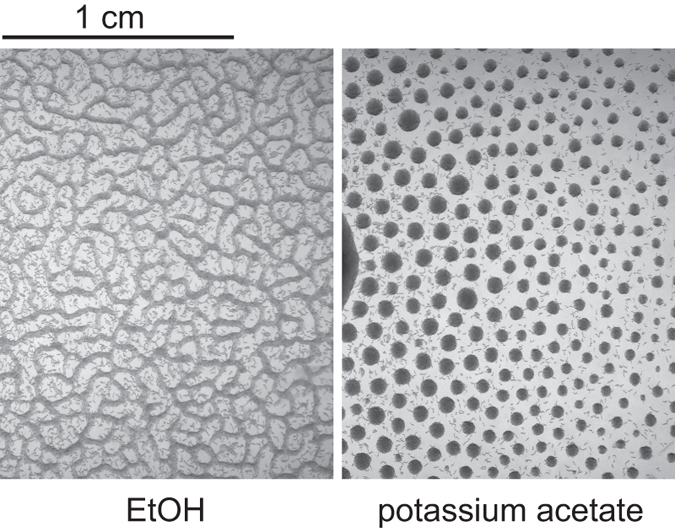
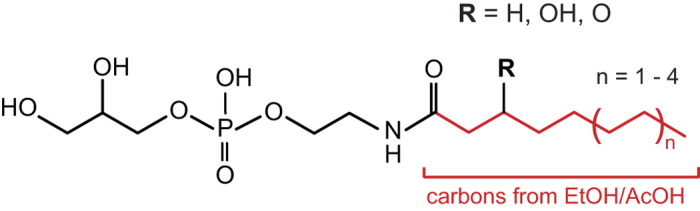
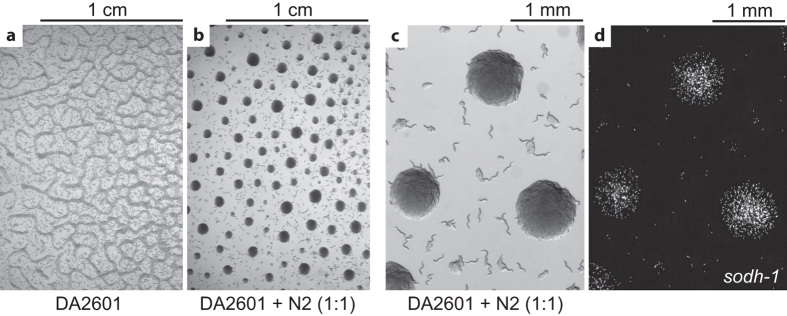
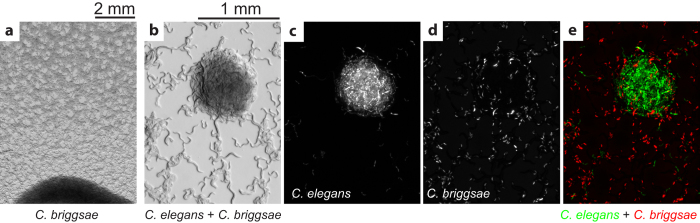
We describe a new type of collective behavior in C. elegans nematodes, aggregation of starved L1 larvae. Shortly after hatching in the absence of food, L1 larvae arrest their development and disperse in search for food. In contrast, after two or more days without food, the worms change their behavior--they start to aggregate. The aggregation requires a small amount of ethanol or acetate in the environment. In the case of ethanol, it has to be metabolized, which requires functional alcohol dehydrogenase sodh-1. The resulting acetate is used in de novo fatty acid synthesis, and some of the newly made fatty acids are then derivatized to glycerophosphoethanolamides and released into the surrounding medium. We examined several other Caenorhabditis species and found an apparent correlation between propensity of starved L1s to aggregate and density dependence of their survival in starvation. Aggregation locally concentrates worms and may help the larvae to survive long starvation. This work demonstrates how presence of ethanol or acetate, relatively abundant small molecules in the environment, induces collective behavior in C. elegans associated with different survival strategies.
Figures
References
-
- Alcock J. Animal behavior: an evolutionary approach. 6th edn, (Sinauer Associates, 1998).
-
- Ardiel E. L. & Rankin C. H. C. elegans: social interactions in a “nonsocial” animal. Adv. Genet. 68, 1–22, (2009). - PubMed
-
- Sokolowski M. B. Social interactions in “simple” model systems. Neuron 65, 780–794, (2010). - PubMed
-
- Wood W. B. The nematode Caenorhabditis elegans. (Cold Spring Harbor Laboratory, 1988).
Publication types
MeSH terms
Substances
Grants and funding
LinkOut - more resources
Full Text Sources
Other Literature Sources
Research Materials
