. 2015 May 28;10(5):e0127628.
doi: 10.1371/journal.pone.0127628. eCollection 2015.

Macrophage Migration Inhibitory Factor Mediates PAR-Induced Bladder Pain

Affiliations

Macrophage Migration Inhibitory Factor Mediates PAR-Induced Bladder Pain

Dimitrios E Kouzoukas et al. PLoS One. .

Abstract

Introduction: Macrophage migration inhibitory factor (MIF), a pro-inflammatory cytokine, is constitutively expressed in urothelial cells that also express protease-activated receptors (PAR). Urothelial PAR1 receptors were shown to mediate bladder inflammation. We showed that PAR1 and PAR4 activator, thrombin, also mediates urothelial MIF release. We hypothesized that stimulation of urothelial PAR1 or PAR4 receptors elicits release of urothelial MIF that acts on MIF receptors in the urothelium to mediate bladder inflammation and pain. Thus, we examined the effect of activation of specific bladder PAR receptors on MIF release, bladder pain, micturition and histological changes.

Methods: MIF release was measured in vitro after exposing immortalized human urothelial cells (UROtsa) to PAR1 or PAR4 activating peptides (AP). Female C57BL/6 mice received intravesical PAR1- or PAR4-AP for one hour to determine: 1) bladder MIF release in vivo within one hour; 2) abdominal hypersensitivity (allodynia) to von Frey filament stimulation 24 hours after treatment; 3) micturition parameters 24 hours after treatment; 4) histological changes in the bladder as a result of treatment; 5) changes in expression of bladder MIF and MIF receptors using real-time RT-PCR; 6) changes in urothelial MIF and MIF receptor, CXCR4, protein levels using quantitative immunofluorescence; 7) effect of MIF or CXCR4 antagonism.

Results: PAR1- or PAR4-AP triggered MIF release from both human urothelial cells in vitro and mouse urothelium in vivo. Twenty-four hours after intravesical PAR1- or PAR4-AP, we observed abdominal hypersensitivity in mice without changes in micturition or bladder histology. PAR4-AP was more effective and also increased expression of bladder MIF and urothelium MIF receptor, CXCR4. Bladder CXCR4 localized to the urothelium. Antagonizing MIF with ISO-1 eliminated PAR4- and reduced PAR1-induced hypersensitivity, while antagonizing CXCR4 with AMD3100 only partially prevented PAR4-induced hypersensitivity.

Conclusions: Bladder PAR activation elicits urothelial MIF release and urothelial MIF receptor signaling at least partly through CXCR4 to result in abdominal hypersensitivity without overt bladder inflammation. PAR-induced bladder pain may represent an interesting pre-clinical model of Interstitial Cystitis/Painful Bladder Syndrome (IC/PBS) where pain occurs without apparent bladder injury or pathology. MIF is potentially a novel therapeutic target for bladder pain in IC/PBS patients.


Conflict of interest statement

Competing Interests: The authors have declared that no competing interests exist.

Figures

Fig 1
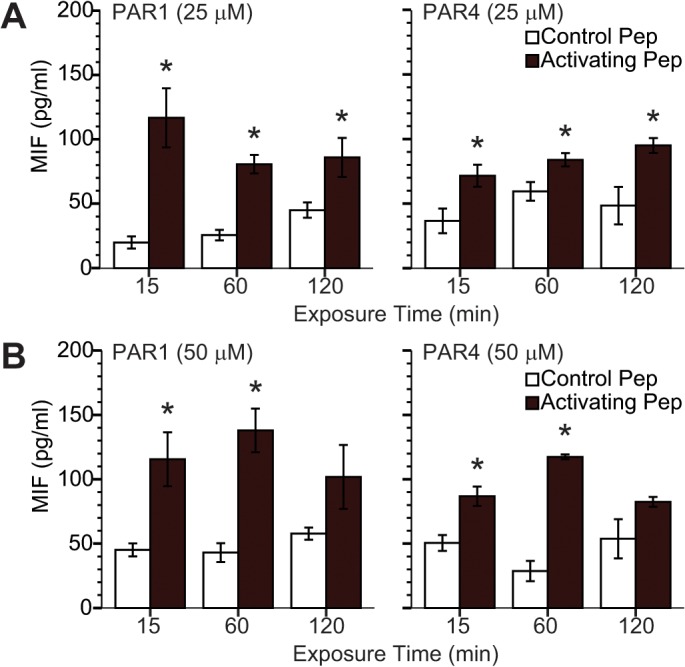
Fig 1. Human urothelial cultures release MIF after activating PAR1 or PAR4.
Human benign transformed urothelial cells (UROtsa) were exposed to specific human PAR1 (TFLLR-NH2) or PAR4 (AYPGKF-NH2) activating peptides (AP), or respective scrambled peptides (control). Culture media was collected at 15, 60, and 120 minutes after AP application and assayed for MIF using a commercial ELISA kit (R&D Systems; Minneapolis, MN). Significant urothelial MIF release occurring within the first 15 minutes was observed after PAR1 or PAR4 stimulation either at 25 μM (A) or 50 μM (B) concentrations. * p ≤ 0.05.
Fig 2
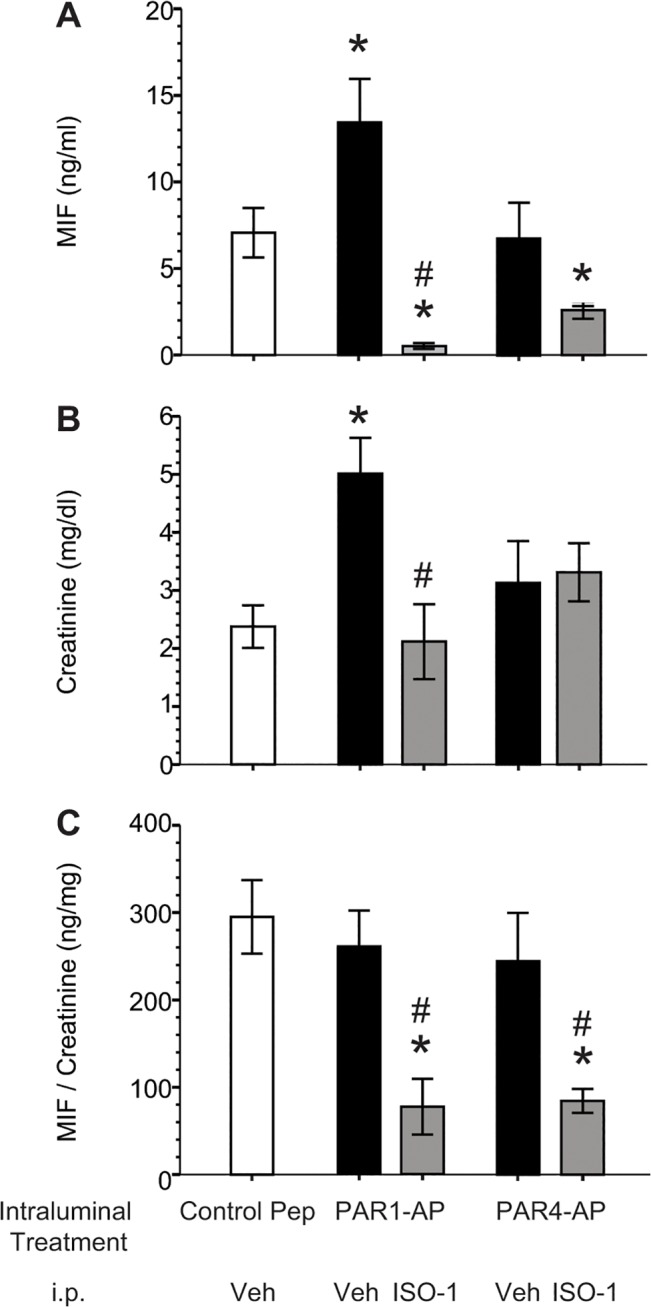
Fig 2. ELISA did not detect PAR1- or PAR4-evoked urothelial MIF release in vivo.
Anesthetized female mice received intravesical instillation of a specific mouse PAR1 or PAR4 activating peptide or a scrambled peptide (control) for one hour. In addition, they received either MIF antagonist (ISO-1) or vehicle (20% DMSO) i.p. 15 minutes prior to intravesical instillation. The intraluminal fluid was collected and assayed for MIF by ELISA as previously described [11] and for creatinine concentration. A) MIF concentration (pg/ml) in the intraluminal fluid was increased after PAR1, but not PAR4 stimulation, relative to control (scrambled) peptide stimulation. This effect was prevented by MIF inhibition through ISO-1 pre-treatment. ISO-1 also decreased MIF concentration in PAR4-AP treated animals as compared to controls. B) Creatinine concentrations were higher in PAR1-AP treated animals but not in PAR4-AP treated animals. C) When MIF concentrations were normalized to creatinine, PAR stimulation (with vehicle pre-treatment) did not show a difference when compared to controls (vehicle pre-treatment; scrambled peptide). ISO-1 pre-treatment significantly decreased ng MIF/mg Creatinine in either PAR1 or PAR4 treated groups. * p ≤ 0.05 compared to control group (vehicle pre-treatment; intravesical scrambled peptide); # p ≤ 0.05 compared to vehicle pre-treatment with respective PAR-AP.
Fig 3
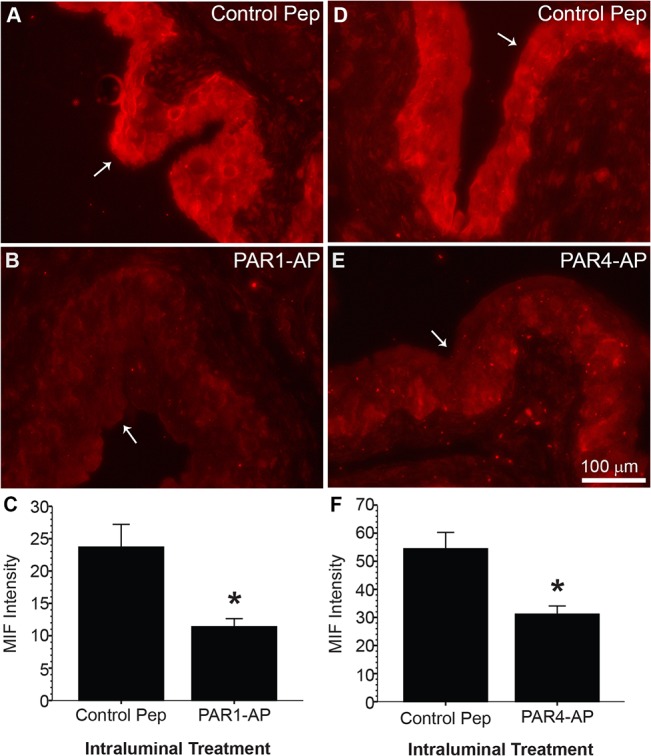
Fig 3. PAR1 or PAR4 activation reduces urothelial MIF in mouse bladder.
Female mice under anesthesia, received intravesical instillation of a PAR1 or PAR4 activating peptide (AP) or a respective scrambled peptide (Control Pep: RLLFT-NH2 for PAR1; YAPGKF-NH2 for PAR4) for one hour before harvesting bladders. Panels (A, B, D, E) show MIF immunofluorescent labeling in representative bladders. White arrows point to intraluminal surface of the urothelia. MIF immunofluorescent labeling localized to urothelium (A, D) and a decrease in urothelial MIF immunofluorescence was observed after PAR1-AP (B) or PAR-4-AP (E) treatment when compared to control peptide-treated groups (A, D). Densitometry showed that average urothelial MIF immunofluorescence (N = 6 per group) significantly decreased after intravesical PAR1- (C) or PAR4-AP (F) treatment when compared to respective control groups (* p ≤ 0.05).
Fig 4
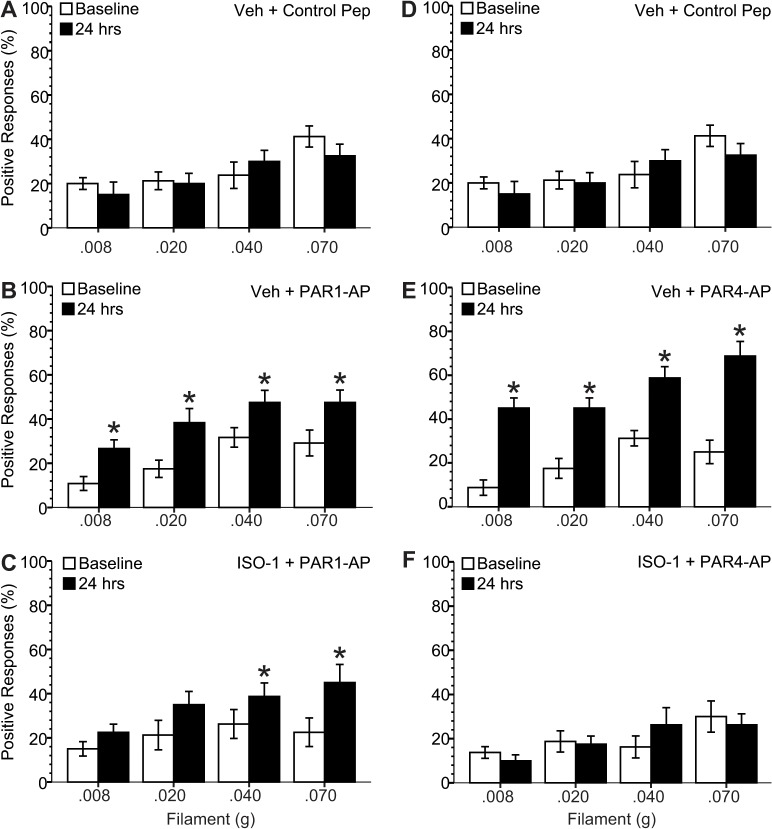
Fig 4. MIF mediates PAR1- or PAR4-induced mechanical hypersensitivity.
Mechanical hypersensitivity was measured as % response out of 10 applications of von Frey monofilaments of graded stimulus strengths (as indicated) at baseline and 24 hour after one hour intravesical instillation of PAR-activating peptides. A) Control group received pre-treatment with vehicle (20% DMSO in saline; i.p.) 15 minutes before intravesical instillation of a scrambled peptide. There was no statistical difference between baseline values and 24 hours after treatment. B) Mice treated with intravesical PAR1-AP (and vehicle pre-treatment) showed a significant increase in the % response 24 hours after treatment at all filament strengths tested. C) Pre-treatment with MIF antagonist (ISO-1; 20 mg/kg, 20% DMSO in saline; i.p.) 15 minutes before intravesical PAR1-AP instillation partially prevented the baseline vs. post- 24 hour increase in response seen after PAR1-AP alone. E) Intravesical PAR4-AP instillation (vehicle pre-treatment) resulted in a significant increase in the % response at 24 hours when compared to baseline. F) This effect was completely prevented by pre-treatment with ISO-1 (MIF antagonist). * p ≤ 0.05 when compared to the corresponding baseline value.
Fig 5
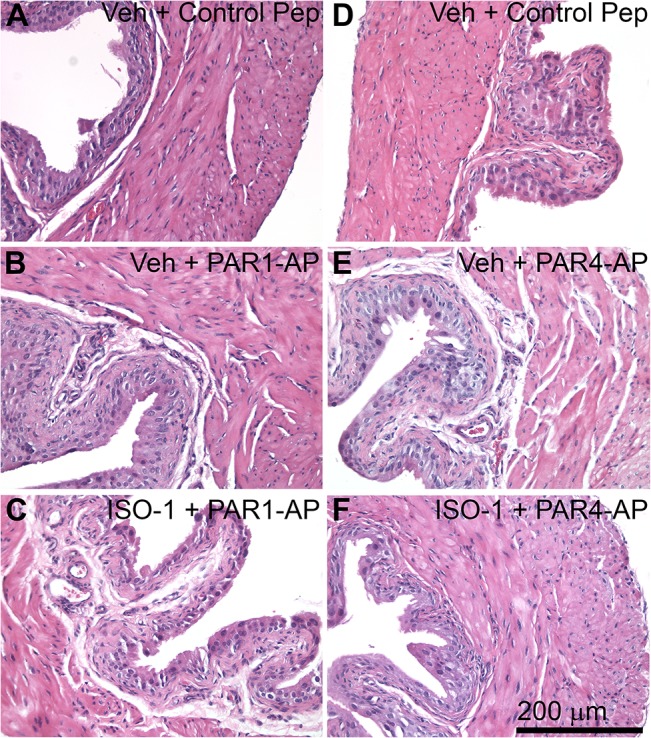
Fig 5. Activating urothelial PAR1 or PAR4 did not result in bladder inflammation.
H&E stained paraffin bladder sections showed normal bladder and urothelial morphology in mice in the control group (A, D; vehicle pre-treatment, intravesical scrambled peptide). Intravesical treatment with PAR1-AP (B) or PAR4-AP (E) did not alter morphology. Pre-treatment with ISO-1 also had no effect (C, F).
Fig 6
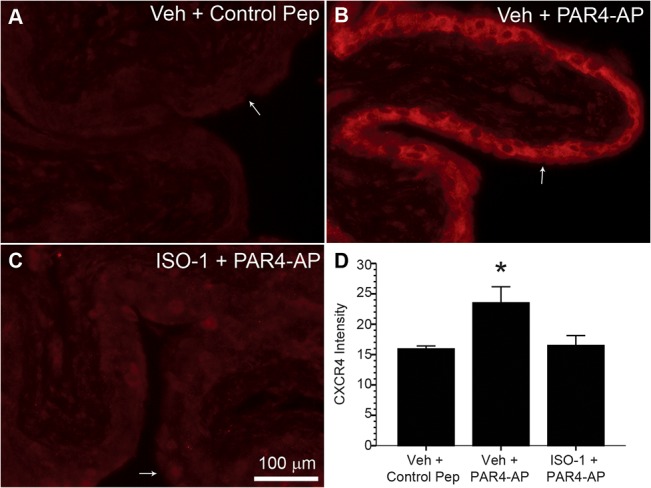
Fig 6. PAR4 activation increases urothelial levels of MIF receptor, CXCR4.
Panels (A, B, C) show the CXCR4 immunofluorescence in representative bladders which is restricted to urothelium. White arrows identify the urothelium intraluminal surface. More intense urothelial CXCR4 immunofluorescent labeling is apparent in PAR-4P-exposed bladders (B) than in control peptide-treated bladders (A). Pre-treatment with MIF antagonist, ISO-1 (C) prevented this increase. D) Densitometry showed that average urothelial CXCR4 immunofluorescence (N = 6 per group) significantly increased after intravesical PAR4-AP when compared to control peptide-treated animals (* p ≤ 0.05). This effect was prevented by ISO-1 pre-treatment.
Fig 7
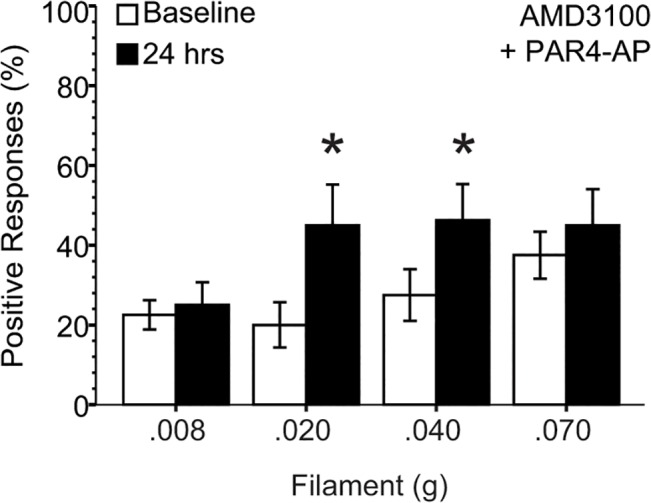
Fig 7. PAR4-induced mechanical hypersensitivity is partially reduced by CXCR4 antagonist, AMD3100.
Intravesical PAR4-AP treatment resulted in a significant increase in % positive responses with every filament strength tested (see Fig 4E). Pre-treatment with a CXCR4 antagonist, AMD3100 (10 mg/kg; i.p.), 15 minutes before AP, reduced the PAR4-AP-induced % response increase from respective baseline (* p ≤ 0.05).

References

    1. Wang F, Xu S, Shen X, Guo X, Peng Y, Yang J. Spinal macrophage migration inhibitory factor is a major contributor to rodent neuropathic pain-like hypersensitivity. Anesthesiology. 2011;114(3):643–59. 10.1097/ALN.0b013e31820a4bf3 - DOI - PubMed
    1. Alexander JK, Cox GM, Tian JB, Zha AM, Wei P, Kigerl KA, et al. Macrophage migration inhibitory factor (MIF) is essential for inflammatory and neuropathic pain and enhances pain in response to stress. Exp Neurol. 2012;236(2):351–62. 10.1016/j.expneurol.2012.04.018 - DOI - PMC - PubMed
    1. Greven D, Leng L, Bucala R. Autoimmune diseases: MIF as a therapeutic target. Expert Opin Ther Targets. 2010;14(3):253–64. 10.1517/14728220903551304 - DOI - PubMed
    1. Hoi AY, Iskander MN, Morand EF. Macrophage migration inhibitory factor: a therapeutic target across inflammatory diseases. Inflamm Allergy Drug Targets. 2007;6(3):183–90. - PubMed
    1. Flaster H, Bernhagen J, Calandra T, Bucala R. The macrophage migration inhibitory factor-glucocorticoid dyad: regulation of inflammation and immunity. Mol Endocrinol. 2007;21(6):1267–80. 10.1210/me.2007-0065 - DOI - PubMed

Publication types

MeSH terms