


Projected future climate change and Baltic Sea ecosystem management
- PMID: 26022318
- PMCID: PMC4447695
- DOI: 10.1007/s13280-015-0654-8
Projected future climate change and Baltic Sea ecosystem management
Abstract
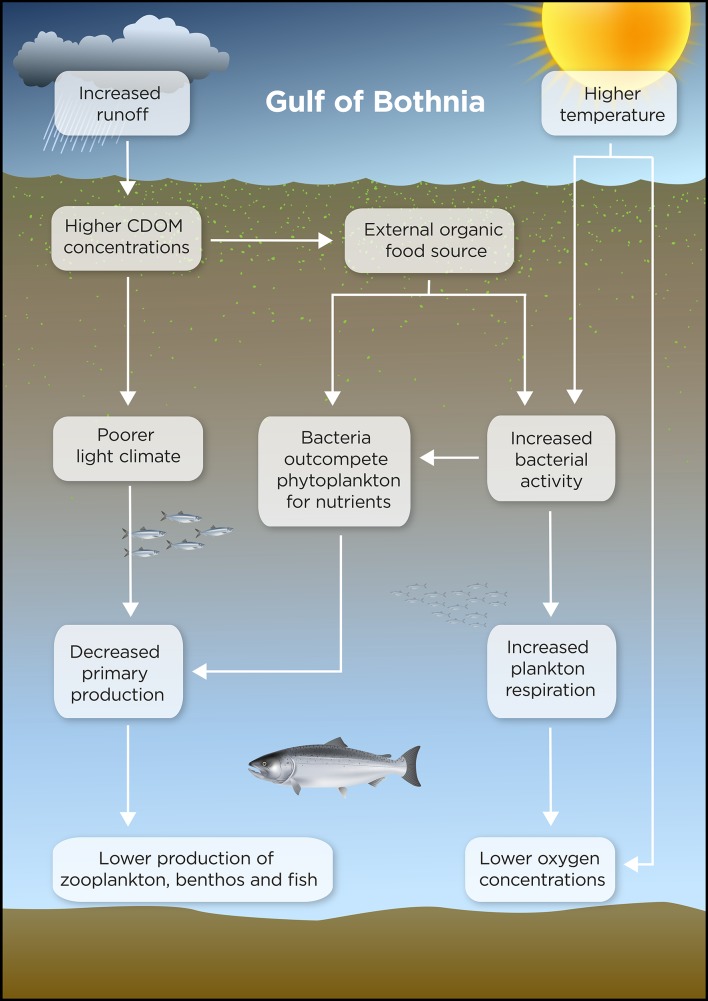
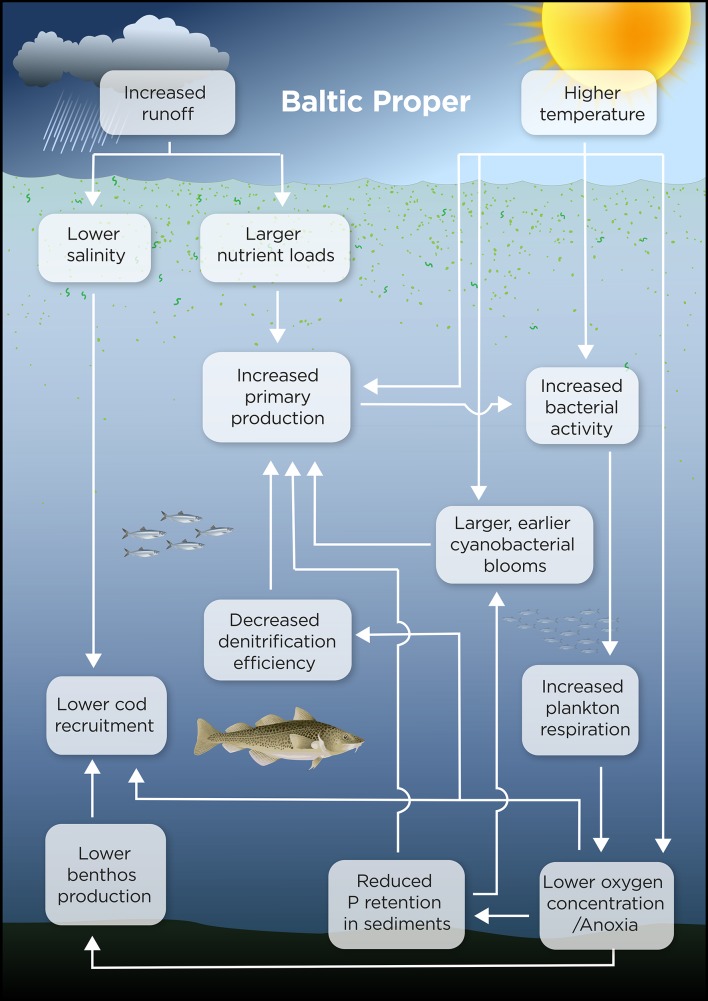
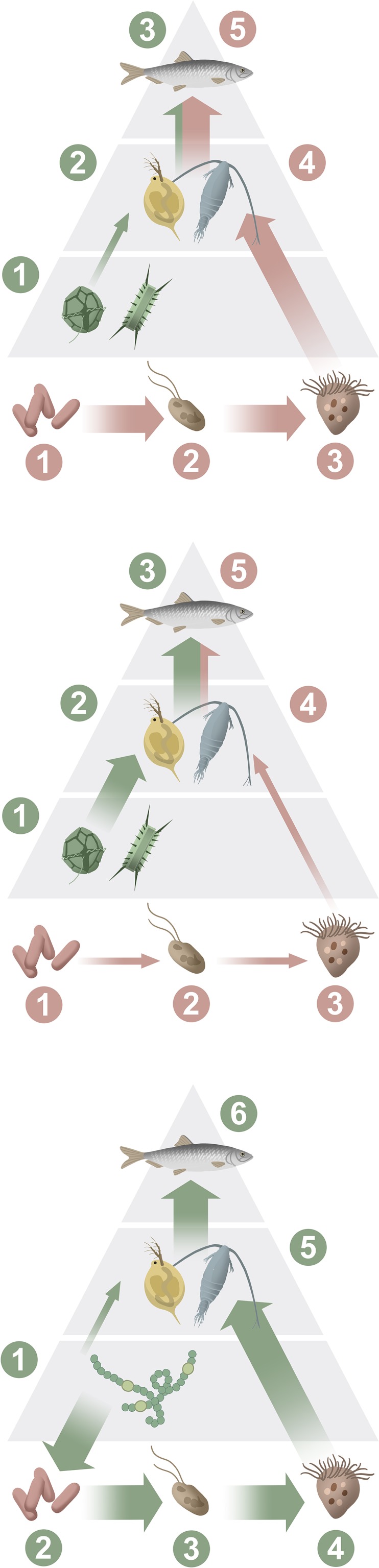
Climate change is likely to have large effects on the Baltic Sea ecosystem. Simulations indicate 2-4 °C warming and 50-80 % decrease in ice cover by 2100. Precipitation may increase ~30 % in the north, causing increased land runoff of allochthonous organic matter (AOM) and organic pollutants and decreased salinity. Coupled physical-biogeochemical models indicate that, in the south, bottom-water anoxia may spread, reducing cod recruitment and increasing sediment phosphorus release, thus promoting cyanobacterial blooms. In the north, heterotrophic bacteria will be favored by AOM, while phytoplankton production may be reduced. Extra trophic levels in the food web may increase energy losses and consequently reduce fish production. Future management of the Baltic Sea must consider the effects of climate change on the ecosystem dynamics and functions, as well as the effects of anthropogenic nutrient and pollutant load. Monitoring should have a holistic approach, encompassing both autotrophic (phytoplankton) and heterotrophic (e.g., bacterial) processes.
Figures
References
-
- Andersson A, Hajdu S, Haecky P, Kuparinen J, Wikner J. Succession and growth limitation of phytoplankton in the Gulf of Bothnia. Marine Biology. 1996;126:791–801. doi: 10.1007/BF00351346. - DOI
-
- Anon. 2007. Classification system for coastal and transition waters. Handbook 2007:4. Appendix B. Stockholm: Swedish Environmental Protection Agency (in Swedish).
-
- Ask J, Karlsson J, Persson L, Ask P, Byström P, Jansson M. Terrestrial organic matter and light penetration: Effects on bacterial and primary production in lakes. Limnology and Oceanography. 2009;54:2034–2040. doi: 10.4319/lo.2009.54.6.2034. - DOI
-
- Autio R. Response of seasonally cold-water bacterioplankton to temperature and substrate treatments. Estuarine, Coastal and Shelf Science. 1998;46:465–474. doi: 10.1006/ecss.1997.0282. - DOI
-
- BACC author team . Assessment of climate change for the Baltic Sea basin. Regional climate studies. Berlin: Springer; 2008.
Publication types
MeSH terms
LinkOut - more resources
Full Text Sources
Other Literature Sources
Medical
