


Maternal alcohol consumption
- PMID: 26042163
- PMCID: PMC4453696
- DOI: 10.1080/17571472.2009.11493239
Maternal alcohol consumption
Abstract
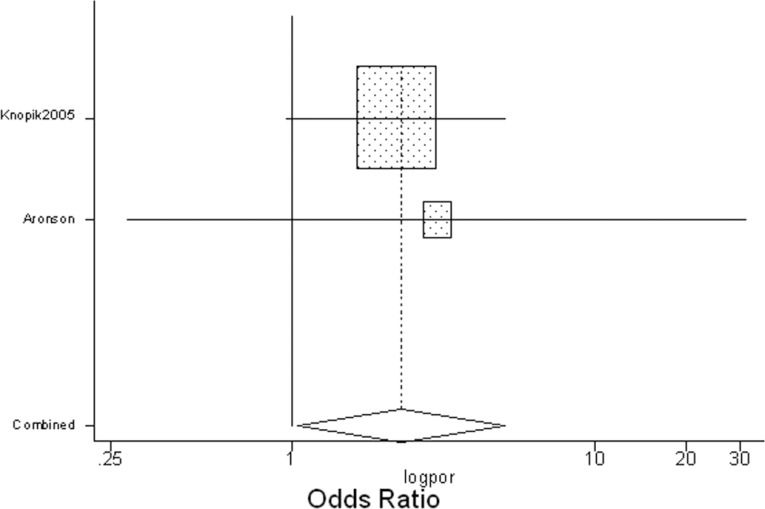
Background Despite decades of research, the aetiology of attention deficit disorder with hyperactivity (ADHD) remains largely unknown. Next to a strong genetic component, increasing evidence suggests additional adverse impact of environmental factors, two of which have, although controversially, withstood meta-analysis: gestational exposure to smoking (OR 2.39) and low birth weight (OR 2.64). Several studies have investigated a possible association between prenatal exposure to alcohol and ADHD, although the matter is complicated due to foetal alcohol syndrome disorders (FASD) with ADHD-like symptoms. Questions Can an estimate of the effect of gestational exposure to alcohol for ADHD be determined? What is the relevance of primary care services in screening and intervention in mild to moderate drinking in pregnant women? Method MEDLINE, Cinahl, PsychInfo, EMBASE (1995-2008) were searched for articles in English, supplemented by a manual search. Out of 23 reviewed studies, three were included in the metaanalysis; one further study was added to undertake a sub-analysis comparing severe versus mild alcohol consumption. Summary odds ratios (OR) were extracted and fixed/random-effects meta-analysis were used for combining the OR's. Heterogeneity across the studies was formally assessed using Cochran's Q. Results An OR of 2.33 (95% CI, 1.18-4.61), (z = 2.43, p = 0.02) suggests that exposed children are 2.33 times more likely to have ADHD than non exposed children. Discussion Our meta-analysis suggests that children exposed to alcohol during pregnancy are at risk for ADHD. However, evidence is sparse and it remains uncertain whether a causal association exists. Further research is needed into dose-response relationship, timing of exposure, influence of genetic factors involved in maternal alcohol abuse and the role of FASD in ADHD-like symptoms. If a detrimental effect of mild to moderate drinking on the offspring is supported by stronger evidence, primary care services could have a major role in prevention and early intervention. This would be in addition to their already established role in helping heavy drinking mothers.
Keywords: attention deficit disorder with hyperactivity; gestational exposure to alcohol; prenatal risk factor; primary care services.
Figures

References
-
- Biederman J, Faraone SV, Keenan K. et al. Further evidence for family-genetic risk factors in attention deficit hyperactivity disorder: patterns of comorbidity in probands and relatives in psychiatrically and pediatrically referred samples. Arch Gen Psych 1992;49:728–38. - PubMed
-
- Thapar A, O'Donovan M, Owen M. The genetics of attention deficit hyperactivity disorder. Hum Mol Genet 2005;14:R275–82. - PubMed
-
- Taylor E, Rogers J. Practitioner Review: Early adversity and developmental disorders. J Child Psychol Psyc 2005;46(5):451–67. - PubMed
-
- Langley K, Rice F, Van den Bree MBM, Thapar A. Maternal smoking during pregnancy as an environmental risk factor for attention deficit hyperactivity disorder behavior. A review. Minerva Pediatr 2005;57:359–71. - PubMed
-
- Bhutta AT, Cleves MA, Casey PH, Cradock MM, Anand KJ. Cognitive and behavioral outcomes of schoolaged children who were born preterm: a meta-analysis. JAMA 2002;288(6):728–37. - PubMed
LinkOut - more resources
Full Text Sources