


Exercise Effects on White Adipose Tissue: Beiging and Metabolic Adaptations
- PMID: 26050668
- PMCID: PMC4477356
- DOI: 10.2337/db15-0227
Exercise Effects on White Adipose Tissue: Beiging and Metabolic Adaptations
Erratum in
-
Erratum. Exercise Effects on White Adipose Tissue: Beiging and Metabolic Adaptations. Diabetes 2015;64:2361-2368.Diabetes. 2015 Sep;64(9):3334. doi: 10.2337/db15-er09. Diabetes. 2015. PMID: 26294430 Free PMC article. No abstract available.
Abstract
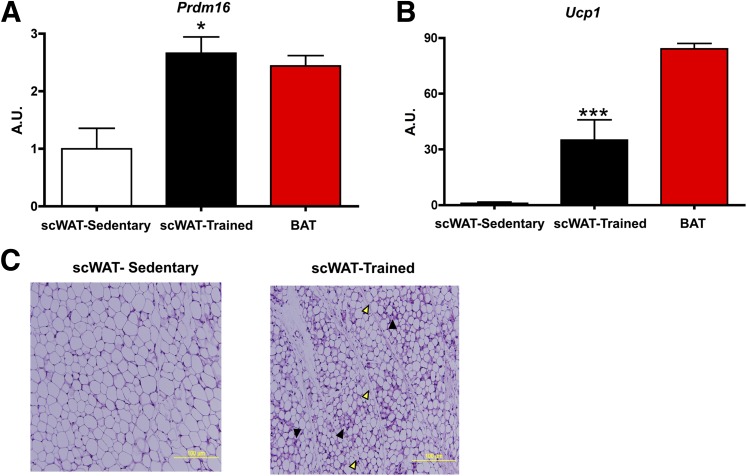
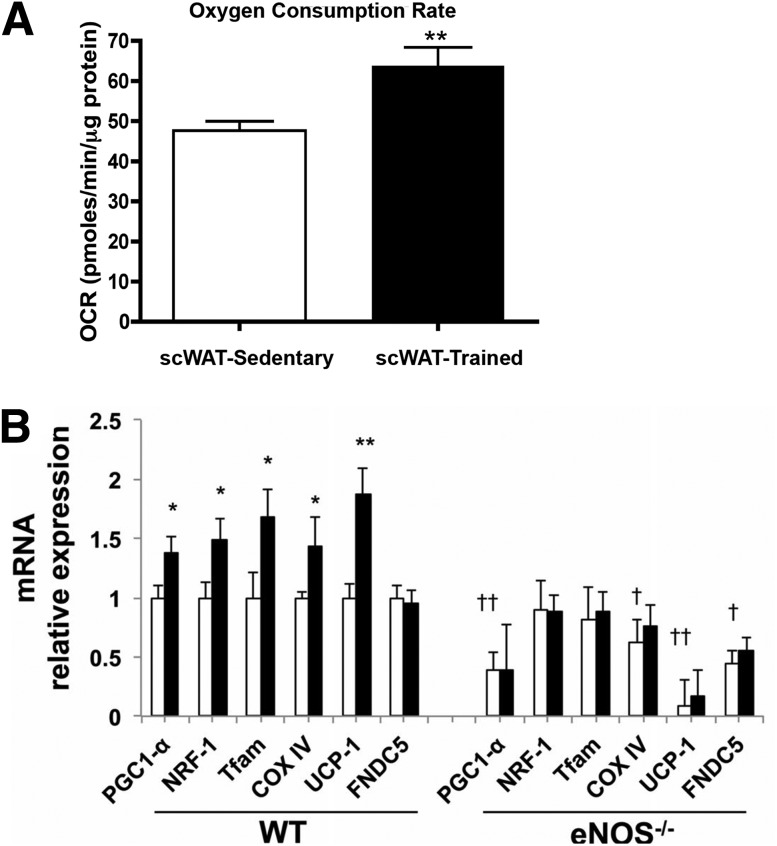
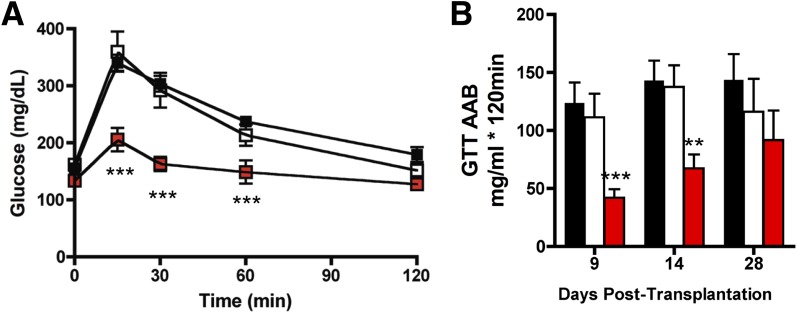
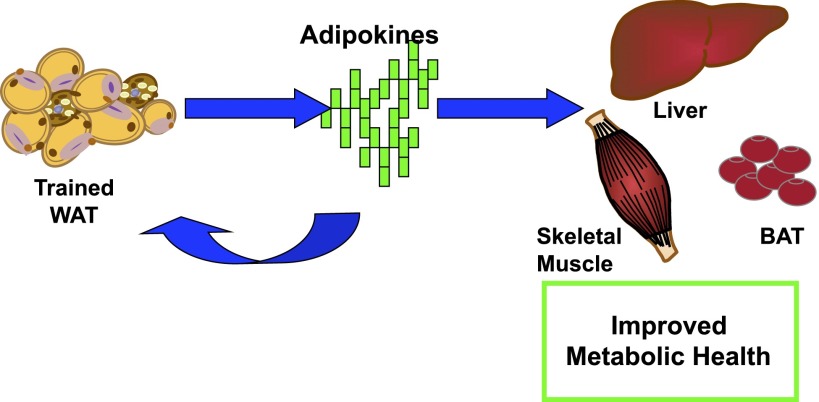
Regular physical activity and exercise training have long been known to cause adaptations to white adipose tissue (WAT), including decreases in cell size and lipid content and increases in mitochondrial proteins. In this article, we discuss recent studies that have investigated the effects of exercise training on mitochondrial function, the "beiging" of WAT, regulation of adipokines, metabolic effects of trained adipose tissue on systemic metabolism, and depot-specific responses to exercise training. The major WAT depots in the body are found in the visceral cavity (vWAT) and subcutaneously (scWAT). In rodent models, exercise training increases mitochondrial biogenesis and activity in both these adipose tissue depots. Exercise training also increases expression of the brown adipocyte marker uncoupling protein 1 (UCP1) in both adipose tissue depots, although these effects are much more pronounced in scWAT. Consistent with the increase in UCP1, exercise training increases the presence of brown-like adipocytes in scWAT, also known as browning or beiging. Training results in changes in the gene expression of thousands of scWAT genes and an altered adipokine profile in both scWAT and vWAT. Transplantation of trained scWAT in sedentary recipient mice results in striking improvements in skeletal muscle glucose uptake and whole-body metabolic homeostasis. Human and rodent exercise studies have indicated that exercise training can alter circulating adipokine concentration as well as adipokine expression in adipose tissue. Thus, the profound changes to WAT in response to exercise training may be part of the mechanism by which exercise improves whole-body metabolic health.
© 2015 by the American Diabetes Association. Readers may use this article as long as the work is properly cited, the use is educational and not for profit, and the work is not altered.
Figures
References
-
- Bonadonna RC, Saccomani MP, Seely L, et al. Glucose transport in human skeletal muscle. The in vivo response to insulin. Diabetes 1993;42:191–198 - PubMed
-
- Carey VJ, Walters EE, Colditz GA, et al. Body fat distribution and risk of non-insulin-dependent diabetes mellitus in women. The Nurses’ Health Study. Am J Epidemiol 1997;145:614–619 - PubMed
-
- Wang Y, Rimm EB, Stampfer MJ, Willett WC, Hu FB. Comparison of abdominal adiposity and overall obesity in predicting risk of type 2 diabetes among men. Am J Clin Nutr 2005;81:555–563 - PubMed
-
- Zhang C, Rexrode KM, van Dam RM, Li TY, Hu FB. Abdominal obesity and the risk of all-cause, cardiovascular, and cancer mortality: sixteen years of follow-up in US women. Circulation 2008;117:1658–1667 - PubMed
Publication types
MeSH terms
Substances
Grants and funding
LinkOut - more resources
Full Text Sources
Other Literature Sources
Medical
Research Materials
