. 2015 Jun 18;22(6):755-63.
doi: 10.1016/j.chembiol.2015.05.009. Epub 2015 Jun 4.

Hijacking the E3 Ubiquitin Ligase Cereblon to Efficiently Target BRD4

Affiliations

Hijacking the E3 Ubiquitin Ligase Cereblon to Efficiently Target BRD4

Jing Lu et al. Chem Biol. .

Abstract

BRD4, a bromodomain and extraterminal domain (BET) family member, is an attractive target in multiple pathological settings, particularly cancer. While BRD4 inhibitors have shown some promise in MYC-driven malignancies such as Burkitt's lymphoma (BL), we show that BRD4 inhibitors lead to robust BRD4 protein accumulation, which may account for their limited suppression of MYC expression, modest antiproliferative activity, and lack of apoptotic induction. To address these limitations we designed ARV-825, a hetero-bifunctional PROTAC (Proteolysis Targeting Chimera) that recruits BRD4 to the E3 ubiquitin ligase cereblon, leading to fast, efficient, and prolonged degradation of BRD4 in all BL cell lines tested. Consequently, ARV-825 more effectively suppresses c-MYC levels and downstream signaling than small-molecule BRD4 inhibitors, resulting in more effective cell proliferation inhibition and apoptosis induction in BL. Our findings provide strong evidence that cereblon-based PROTACs provide a better and more efficient strategy in targeting BRD4 than traditional small-molecule inhibitors.


Figures

Figure 1
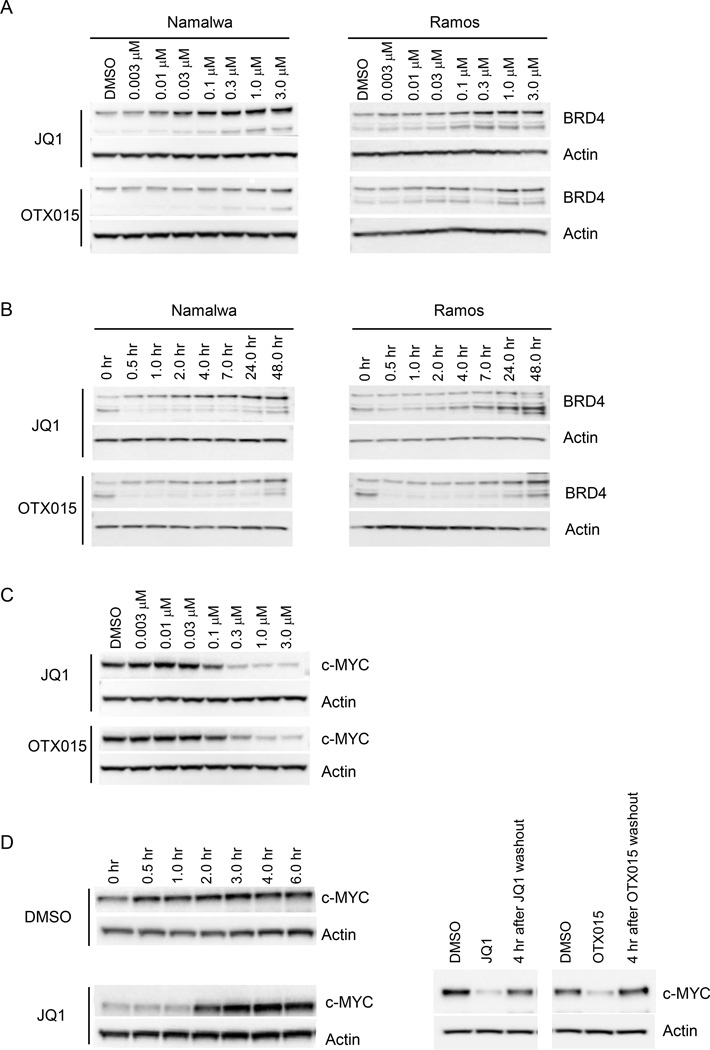
Figure 1. Small molecule BRD4 inhibitors lead to significant BRD4 accumulation and inefficient c-MYC suppression
(A) Small molecule BRD4 inhibitors lead to significant BRD4 accumulation. Namalwa and Ramos cells were treated overnight with increasing doses of JQ1 and OTX015. Lysates were collected and subjected to immunoblot analysis with antibodies for BRD4 and actin. (B) Small molecule BRD4 inhibitors lead to rapid BRD4 accumulation. Namalwa and Ramos cells were treated with 0.3 µM of JQ1 or OTX015 for various times as indicated, lysates were collected and analyzed by immunoblot for BRD4 and actin. (C) Small molecule BRD4 inhibitors lead to downstream c-MYC suppression, but not efficiently. Namalwa cells were treated overnight with increasing doses of JQ1 and OTX015, lysates were collected and analyzed by immunoblot with antibodies for c-MYC and actin. (D) Loss of c-MYC suppression shortly after BRD4 inhibitors withdrawal. (left panel) Namalwa cells were treated with JQ1 (1.0 µM) for 24 hours, followed by three washes to remove compound. Cells were re-seeded for lysates collection at various time points, c-MYC level was determined by immunoblot; (right panel) Ramos cells were treated with JQ1 (1.0 µM) or OTX015 (1.0 µM) for 24 hours, followed by compounds removal and re-seeding in fresh medium for 4 hours; lysates were subjected for immunoblot with c-MYC and actin antibodies.
Figure 2
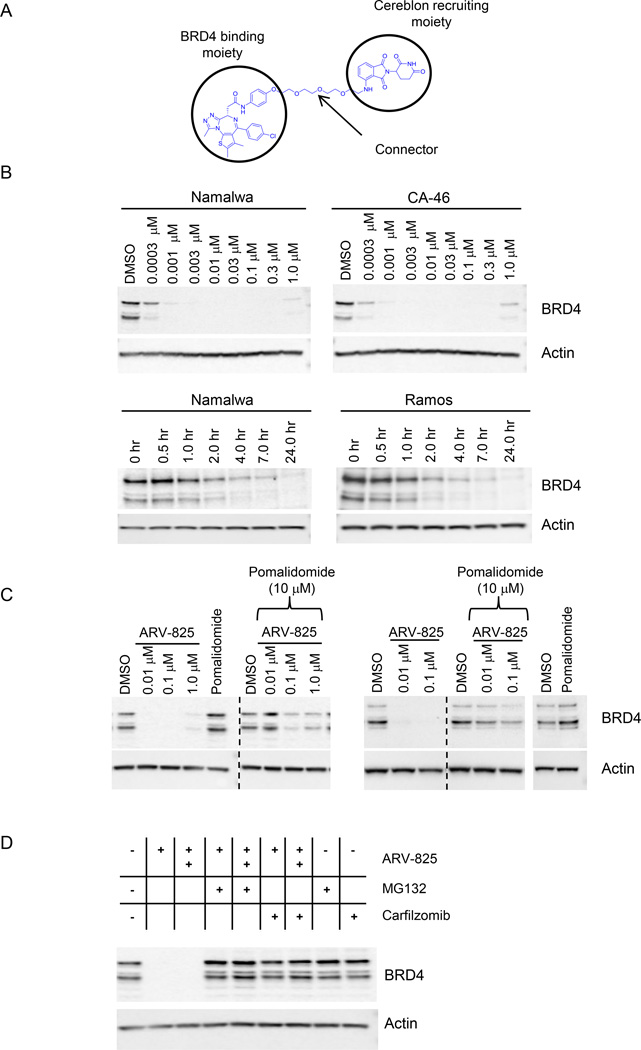
Figure 2. Hijacking the E3 Ubiquitin Ligase Cereblon to create PROTAC to efficiently degrade BRD4
(A) A schematic representation of bifunctional PROTAC ARV-825. (B) ARV-825 leads to fast and efficient degradation of BRD4. (top panel) Namalwa and CA-46 cells were treated overnight with increasing doses of ARV-825, lysates were analyzed for BRD4 levels by immunoblot with actin serving as loading control; (bottom panel) Namalwa and Ramos cells were treated with ARV-825 (0.1 µM) for indicated time points, lysates were collected and subjected to immunoblot analysis with antibodies for BRD4 and actin. (C) Confirmation of cereblon-based mechanism in driving BRD4 degradation upon ARV-825 treatment. Namalwa (left panel) and Ramos (right panel) cells were treated overnight with various concentrations of ARV-825 or pomalidomide (10 µM), or combination of ARV-825 and pomalidomide; lysates were analyzed by immunoblot for BRD4 and actin. (D) Confirmation of proteasome-based mechanism in driving BRD4 degradation upon ARV-825 treatment. Namalwa cells were treated overnight with ARV-825 (+/0.01 µM and ++/0.1 µM) alone, MG132 (5 µM) or carfilzomib (5 µM) alone, or combination of ARV-825 with MG132 or with carfizomib; lysates were collected and analyzed by immunoblot for BRD4 and actin.
Figure 3
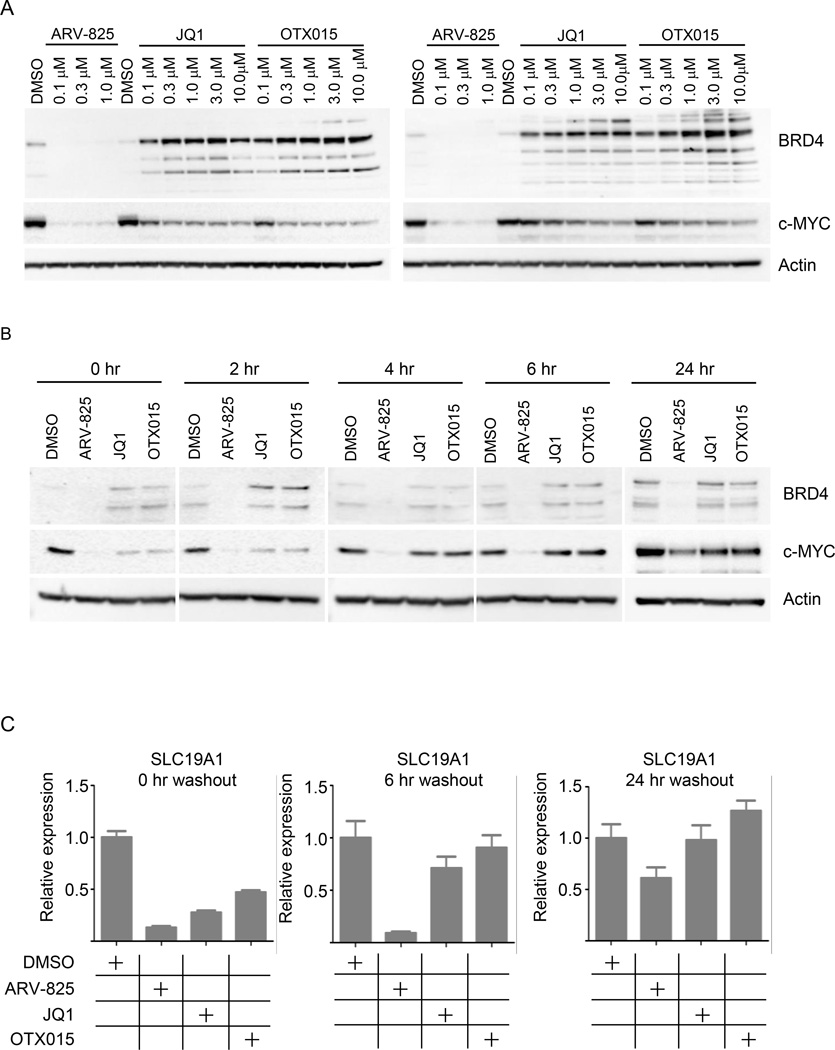
Figure 3. ARV-825 leads to more significant and longer lasting c-MYC suppression than small molecule inhibitors
(A) Namalwa (left) and Ramos (right) cells were treated overnight with increasing doses of ARV-825 (up to 1.0 µM), or JQ1 (up to 10.0 µM), or OTX015 (up to 10.0 µM); lysates were analyzed by immunoblot for BRD4, c-MYC and actin. (B) Namalwa cells were treated for 24 hours with ARV-825 (0.1 µM), JQ1 (1.0 µM) and OTX015 (1.0 µM M), followed by three washes to remove compounds, and re-seeded in fresh medium for various time points. Lysates were collected and analyzed by immunoblot for BRD4, c-MYC and actin. (C) Namalwa cells were treated as in Figure 3B, RNA was extracted at 0, 6 and 24 hours post compounds removal, reverse-transcribed into cDNA and quantified by qPCR with SLC19A1 specific primers; GAPDH serves as internal control.
Figure 4
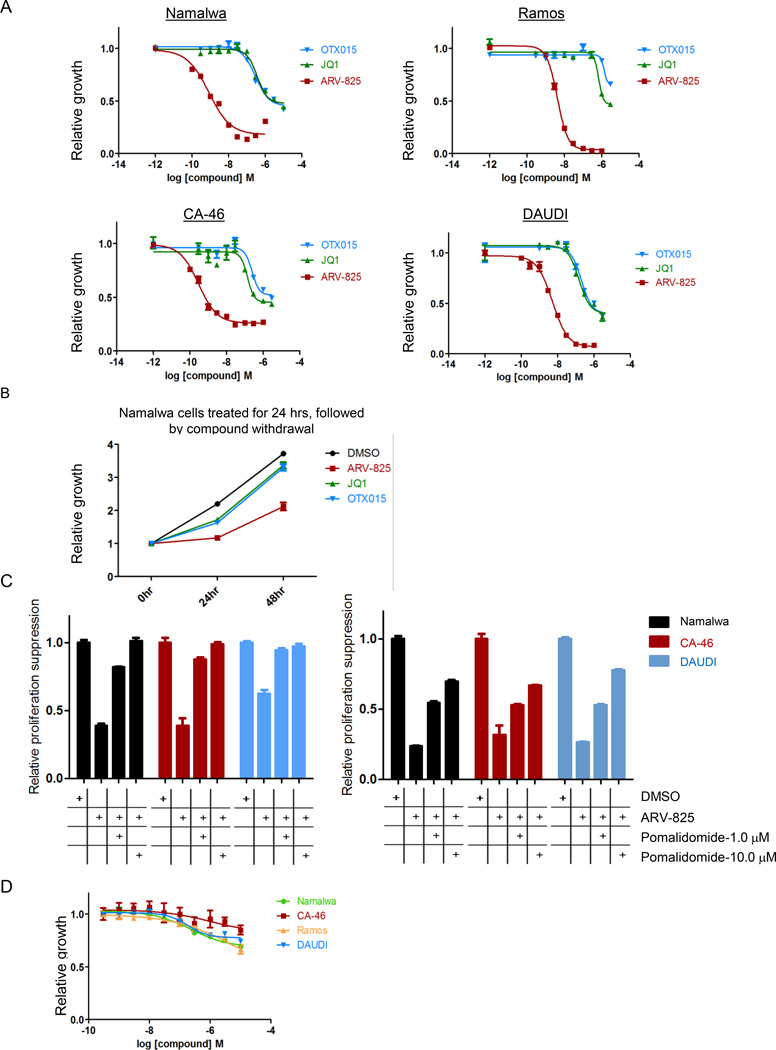
Figure 4. ARV-825 leads to a superior effect on BL cells proliferation suppression than BRD4 inhibitors
(A) Various BL cell lines were seeded at 50000 cells/100ul in 96-well plates and then treated with increasing doses of ARV-825, JQ1 and OTX015; relative proliferation was determined by CellTiter-Glow (CTG) assay 72 hours later. (B) ARV-825 leads to longer lasting proliferation suppression than small molecule inhibitors Namalwa cells were treated for 24 hours with ARV-825 (0.1 µM), JQ1 (1.0 µM) and OTX015 (1.0 µM), followed by three washes to remove compounds, and re-seeded in fresh medium in 96-well plate, relative proliferation was determined by CTG assay at 24 hours and 48 hours after re-seeding. (C) Pomalidomide partially rescued the effect on proliferation suppression by ARV-825 treatment. Different BL cell lines were treated with ARV-825 (0.01 µM on left panel or 0.1 µM on right panel) alone, or together with pomalidomide (1.0 µM or 10.0 µM) for 72 hours, relative cell proliferation was determined by CTG assay. (D) Pomalidomide does not have significant effect on BL cell proliferation. Different BL cell lines were treated with increasing doses of pomalidomide (up to 10.0 µM) for 72 hours, relative proliferation was determined by CTG assay.
Figure 5
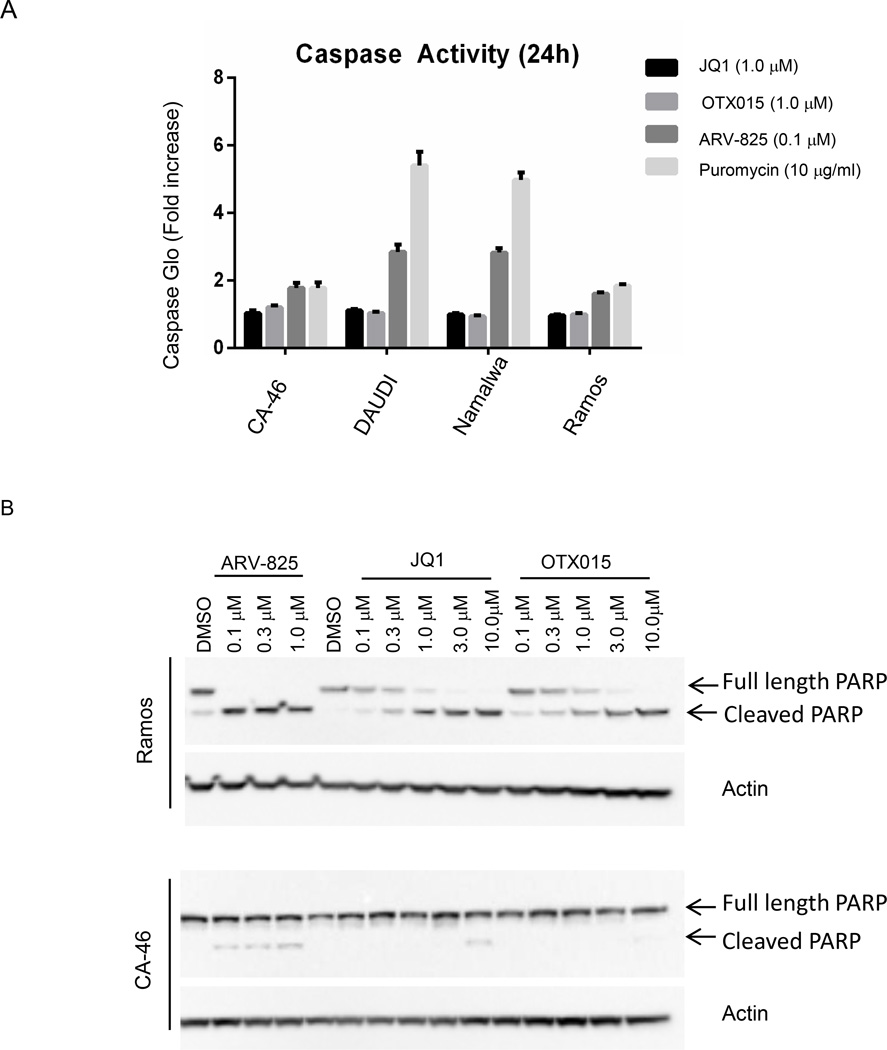
Figure 5. ARV-825 leads to a superior effect on BL cells apoptosis induction than small molecule inhibitors
(A) Various BL cell lines were treated with ARV-825 (0.1 µM), or JQ1 (1.0 µM), or OTX015 (1.0 µM), or puromycin (10 mg/ml) as positive control of apoptosis induction, for 24 hours, caspase 3/7 activity was measured by Caspase 3/7- Glow assay. (B) Ramos and CA-46 cells were treated with increasing doses of ARV-825 (up to 1.0 µM), or JQ1 and OTX015 (up to 10.0 µM) for 48 hours. Lysates were collected and analyzed by immunoblot for PARP cleavage with actin as loading control.

Comment in

References

    1. Asangani IA, Dommeti VL, Wang X, Malik R, Cieslik M, Yang R, Escara-Wilke J, Wilder-Romans K, Dhanireddy S, Engelke C, et al. Therapeutic targeting of BET bromodomain proteins in castration-resistant prostate cancer. Nature. 2014;510:278–282. - PMC - PubMed
    1. Baratta MG, Schinzel AC, Zwang Y, Bandopadhayay P, Bowman-Colin C, Kutt J, Curtis J, Piao H, Wong LC, Kung AL, et al. An in-tumor genetic screen reveals that the BET bromodomain protein, BRD4, is a potential therapeutic target in ovarian carcinoma. Proceedings of the National Academy of Sciences of the United States of America. 2015;112:232–237. - PMC - PubMed
    1. Belkina AC, Denis GV. BET domain co-regulators in obesity, inflammation and cancer. Nature reviews Cancer. 2012;12:465–477. - PMC - PubMed
    1. Boi M, Gaudio E, Bonetti P, Kwee I, Bernasconi E, Tarantelli C, Rinaldi A, Testoni M, Cascione L, Ponzoni M, et al. The BET Bromodomain inhibitor OTX015 affects pathogenetic pathways in pre-clinical B-cell tumor models and synergizes with targeted drugs. Clinical cancer research : an official journal of the American Association for Cancer Research. 2015 - PubMed
    1. Bolden JE, Tasdemir N, Dow LE, van Es JH, Wilkinson JE, Zhao Z, Clevers H, Lowe SW. Inducible in vivo silencing of Brd4 identifies potential toxicities of sustained BET protein inhibition. Cell Rep. 2014;8:1919–1929. - PMC - PubMed

Publication types

MeSH terms