


Effects of physical exercise on central nervous system functions: a review of brain region specific adaptations
- PMID: 26064521
- PMCID: PMC4461979
- DOI: 10.1186/s40303-015-0010-8
Effects of physical exercise on central nervous system functions: a review of brain region specific adaptations
Abstract
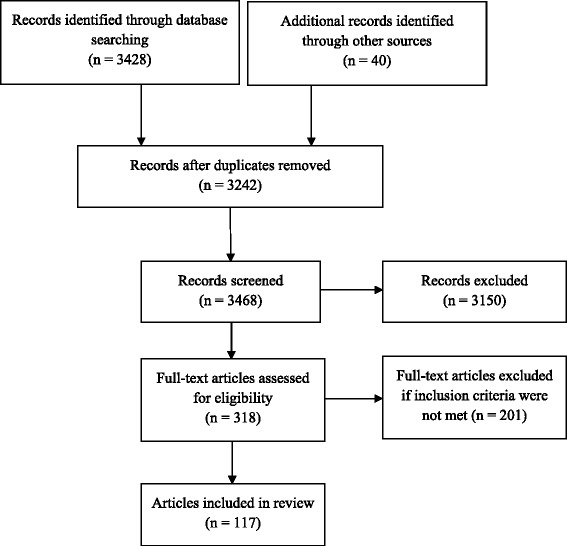
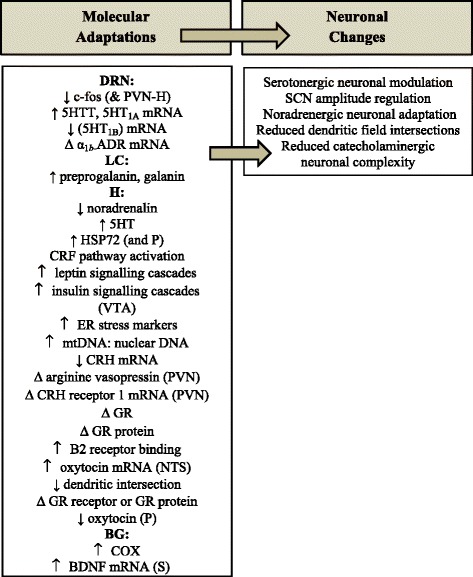
Pathologies of central nervous system (CNS) functions are involved in prevalent conditions such as Alzheimer's disease, depression, and Parkinson's disease. Notable pathologies include dysfunctions of circadian rhythm, central metabolism, cardiovascular function, central stress responses, and movement mediated by the basal ganglia. Although evidence suggests exercise may benefit these conditions, the neurobiological mechanisms of exercise in specific brain regions involved in these important CNS functions have yet to be clarified. Here we review murine evidence about the effects of exercise on discrete brain regions involved in important CNS functions. Exercise effects on circadian rhythm, central metabolism, cardiovascular function, stress responses in the brain stem and hypothalamic pituitary axis, and movement are examined. The databases Pubmed, Web of Science, and Embase were searched for articles investigating regional brain adaptations to exercise. Brain regions examined included the brain stem, hypothalamus, and basal ganglia. We found evidence of multiple regional adaptations to both forced and voluntary exercise. Exercise can induce molecular adaptations in neuronal function in many instances. Taken together, these findings suggest that the regional physiological adaptations that occur with exercise could constitute a promising field for elucidating molecular and cellular mechanisms of recovery in psychiatric and neurological health conditions.
Keywords: Basal nuclei; Brain stem; Depression; Disease; Exercise; Hypothalamus; Neurobiology; Neurodegenerative Diseases; Neurophysiology; Stress.
Figures
References
-
- Pêgo J, Sousa J, Almeida O, Sousa N. Stress and the neuroendocrinology of anxiety disorders. In: Stein MB, Steckler T, editors. Behavioral Neurobiology of Anxiety and Its Treatment. Heidelberg: Springer; 2010. pp. 97–118.
LinkOut - more resources
Full Text Sources
Other Literature Sources
