. 2015 Jun 11:6:7260.
doi: 10.1038/ncomms8260.

Wearable energy-dense and power-dense supercapacitor yarns enabled by scalable graphene-metallic textile composite electrodes

Affiliations

Wearable energy-dense and power-dense supercapacitor yarns enabled by scalable graphene-metallic textile composite electrodes

Libin Liu et al. Nat Commun. .

Abstract

One-dimensional flexible supercapacitor yarns are of considerable interest for future wearable electronics. The bottleneck in this field is how to develop devices of high energy and power density, by using economically viable materials and scalable fabrication technologies. Here we report a hierarchical graphene-metallic textile composite electrode concept to address this challenge. The hierarchical composite electrodes consist of low-cost graphene sheets immobilized on the surface of Ni-coated cotton yarns, which are fabricated by highly scalable electroless deposition of Ni and electrochemical deposition of graphene on commercial cotton yarns. Remarkably, the volumetric energy density and power density of the all solid-state supercapacitor yarn made of one pair of these composite electrodes are 6.1 mWh cm(-3) and 1,400 mW cm(-3), respectively. In addition, this SC yarn is lightweight, highly flexible, strong, durable in life cycle and bending fatigue tests, and integratable into various wearable electronic devices.


Figures
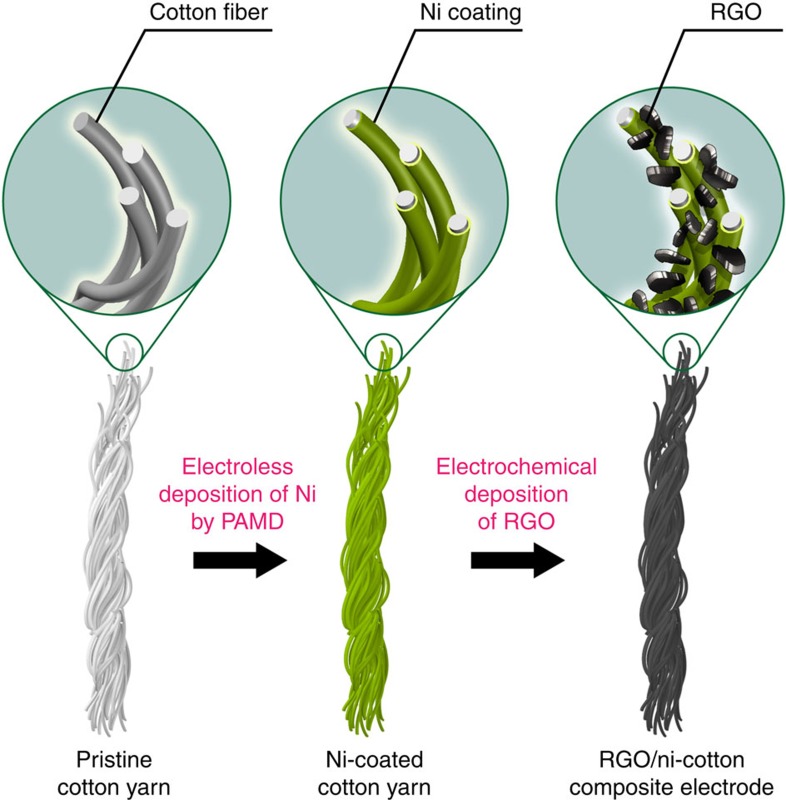
Figure 1
Figure 1. Schematic illustration.
Schematic illustration of the fabrication of RGO/Ni cotton yarn composite electrodes.
Figure 2
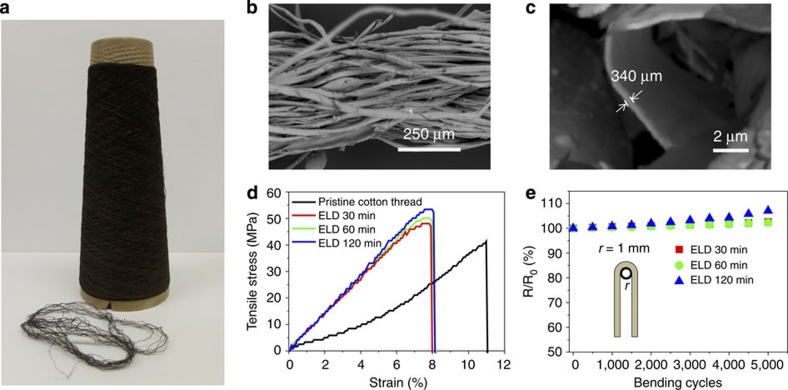
Figure 2. Ni-coated cotton yarns as current collectors.
(a) Digital image of a 500-m-long Ni-coated cotton yarn wound on a spinning cone. (b) Low-magnification and (c) high-magnification cross-sectional scanning electron microscopic image of a Ni-coated cotton yarn made at ELD time of 60 min. (d) Stress–strain curves and (e) electrical resistance (bending radius=1 mm) of Ni-coated cotton yarns.
Figure 3
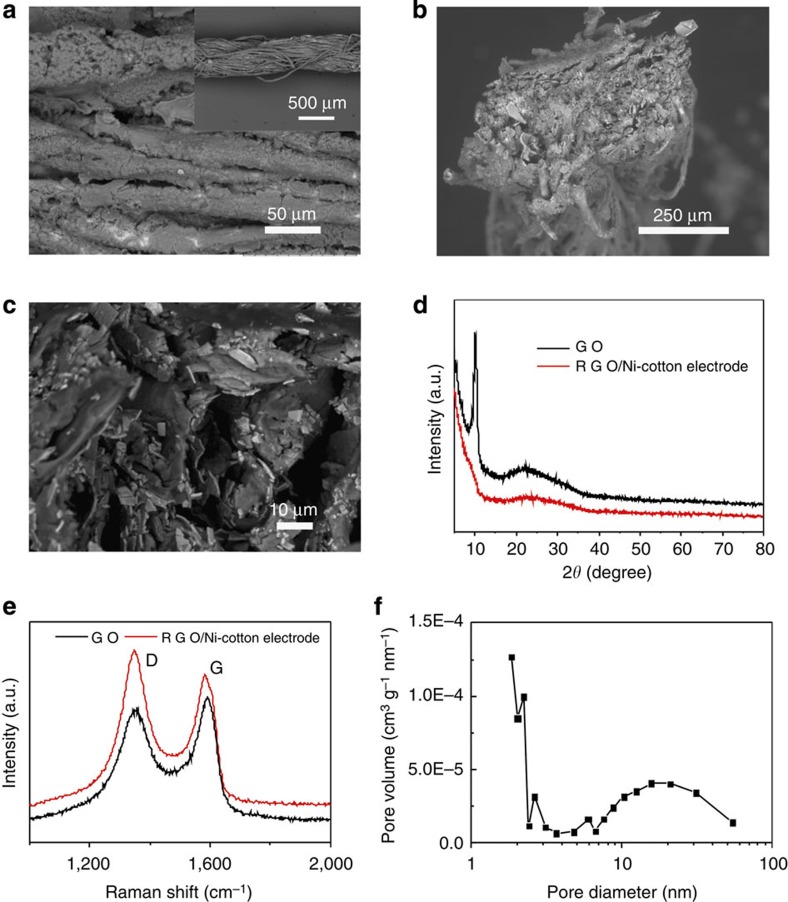
Figure 3. Characteristics of the RGO/Ni cotton composite electrode yarn.
(a,b,c) Scanning electron microscopic images at different magnifications of a typical RGO/Ni cotton composite electrode made with 10-min RGO electrochemical deposition. The images show that RGO sheets are immobilized at the inner and outer spaces of the yarn. (d) X-ray diffraction, (e) Raman and (f) bulk heterojunction (BJH) pore distribution spectra of the RGO/Ni cotton composite electrode.
Figure 4
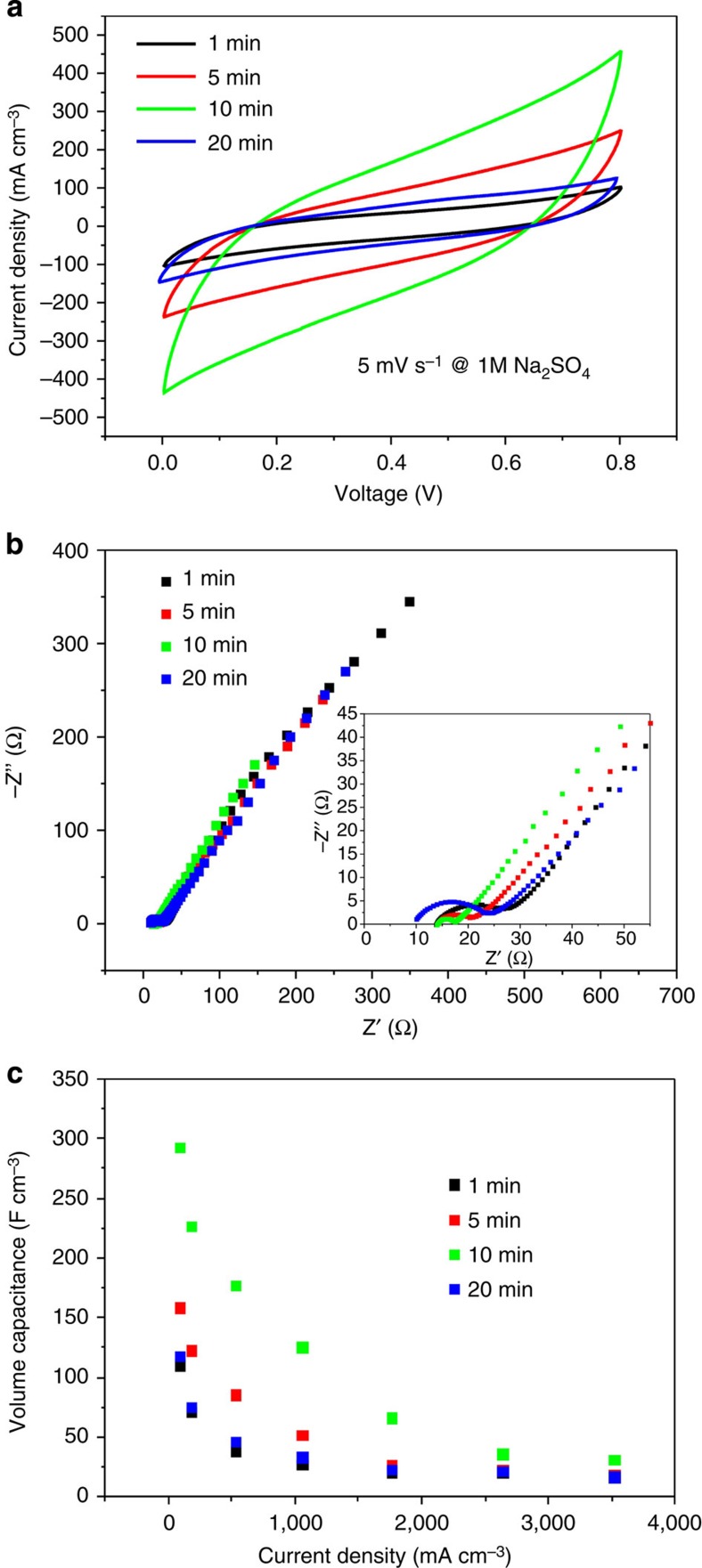
Figure 4. Electrochemical behaviours of RGO/Ni cotton composite electrodes in 1 M Na2SO4.
(a) CV curves, (b) electrochemical impedance plots and (c) volumetric-specific capacitances of RGO/Ni cotton composite electrodes made at different RGO deposition time from 1 to 20 min.
Figure 5
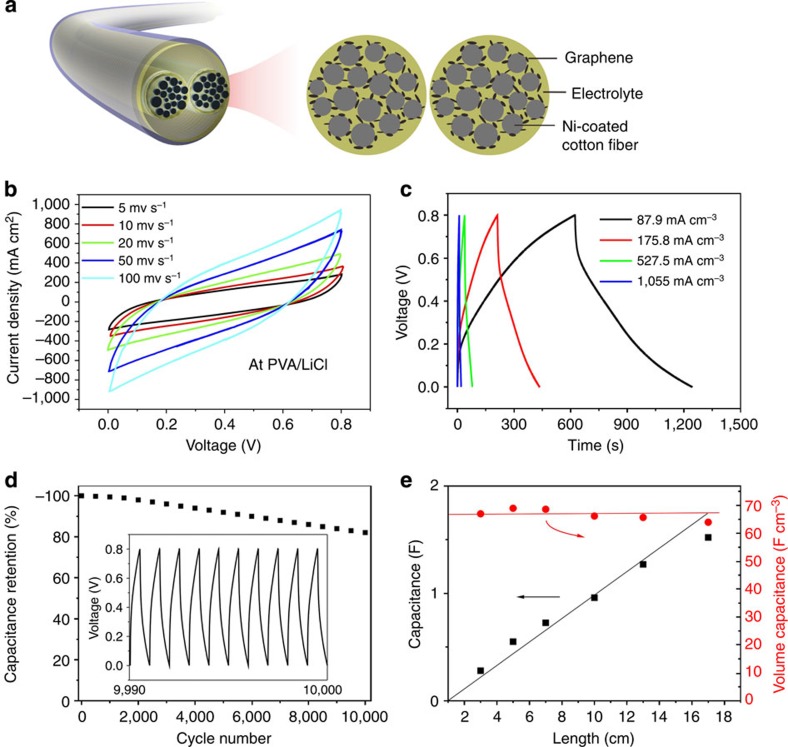
Figure 5. Performances of solid-state SC yarns.
(a) Schematic illustration of the structure of one SC yarn. (b) CV curves of the device at scan rates ranging from 5 to 100 mv s−1. (c) GCD curves of the device at different current densities. (d) Cycle life of the device. The inset is the GCD curve from the 9,990th to 10,000th cycle. (e) Device capacitance as a function of the device length.
Figure 6
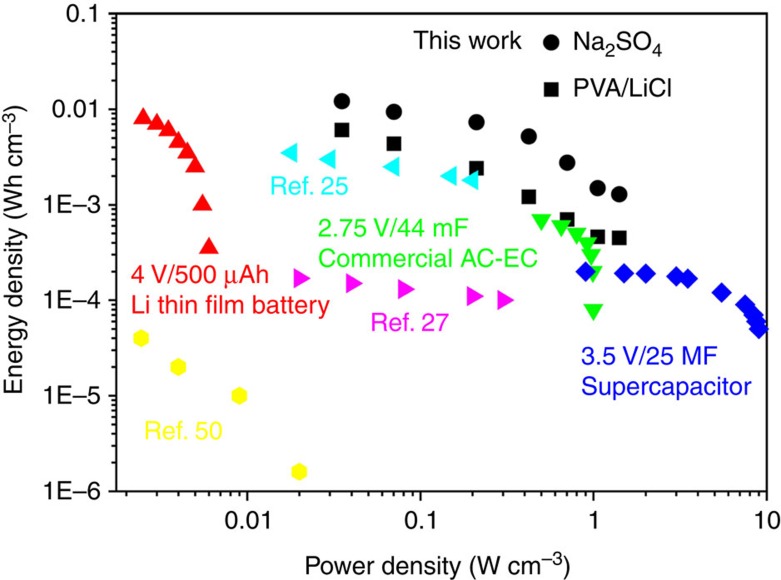
Figure 6. Ragone graph of different SC yarns and some commercial devices.
Commercially available 4 V/500 μAh Li thin-film battery, a commercially available AC-EC, a 3.5 V/25 mF SC and some published experimental data are listed in the graph.
Figure 7
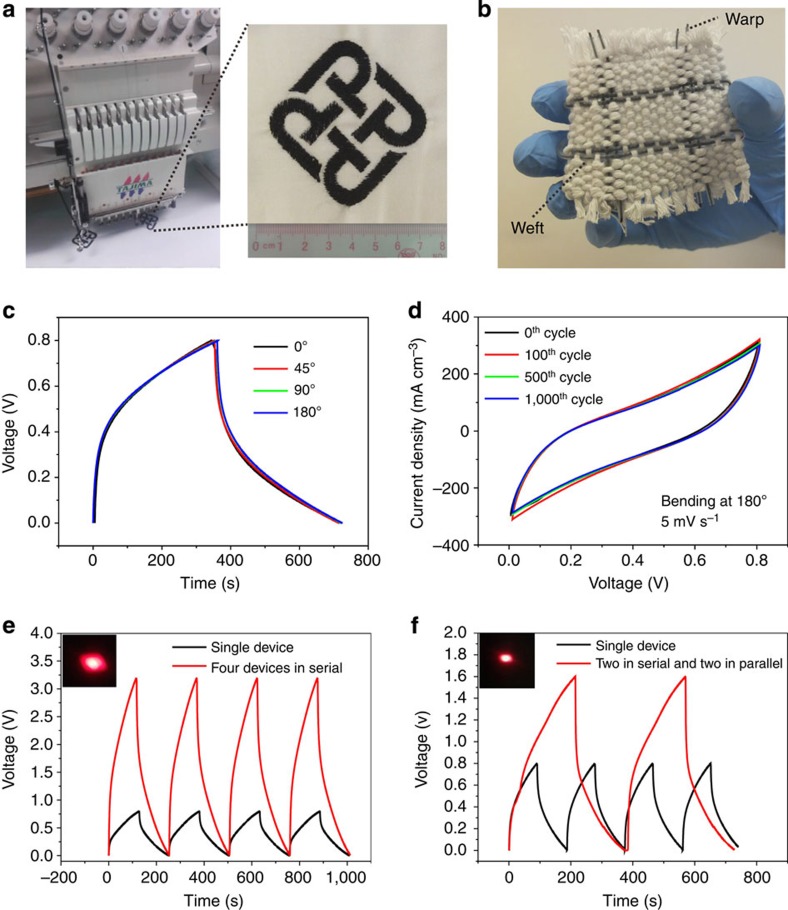
Figure 7. Wearable applications of solid-state SC yarns.
(a) Digital images of embroidery logos of The Hong Kong Polytechnic University using the composite electrode yarns. (b) A woven fabric made with solid-state SC yarns. (c) GCD curves of solid-state SC yarns at different bending angles. (d) CV curves of the device at different bending (180° bending angle) cycles. Galvanostatic charge/discharge curves of four SCs connected (e) in series and (f) in a combination of series and parallel. Insets in e and f are digital images of a light-emitting diode lightened by the respective tandem SCs.

References

    1. Kim K. S. et al. Large-scale pattern growth of graphene films for stretchable transparent electrodes. Nature 457, 706–710 (2009). - PubMed
    1. Hu L. B. & Cui Y. Energy and environmental nanotechnology in conductive paper and textiles. Energ. Environ. Sci. 5, 6423–6435 (2012).
    1. Hu L. B. et al. Stretchable, porous, and conductive energy textiles. Nano Lett. 10, 708–714 (2010). - PubMed
    1. Yu G. H. et al. Solution-processed graphene/MnO2 nanostructured textiles for high-performance electrochemical capacitors. Nano Lett. 11, 2905–2911 (2011). - PubMed
    1. Pushparaj V. L. et al. Flexible energy storage devices based on nanocomposite paper. Proc. Natl Acad. Sci. USA 104, 13574–13577 (2007). - PMC - PubMed

Publication types