. 2015 Aug;5(8):860-77.
doi: 10.1158/2159-8290.CD-14-1236. Epub 2015 Jun 11.

Co-occurring genomic alterations define major subsets of KRAS-mutant lung adenocarcinoma with distinct biology, immune profiles, and therapeutic vulnerabilities

Affiliations

Co-occurring genomic alterations define major subsets of KRAS-mutant lung adenocarcinoma with distinct biology, immune profiles, and therapeutic vulnerabilities

Ferdinandos Skoulidis et al. Cancer Discov. 2015 Aug.

Abstract

The molecular underpinnings that drive the heterogeneity of KRAS-mutant lung adenocarcinoma are poorly characterized. We performed an integrative analysis of genomic, transcriptomic, and proteomic data from early-stage and chemorefractory lung adenocarcinoma and identified three robust subsets of KRAS-mutant lung adenocarcinoma dominated, respectively, by co-occurring genetic events in STK11/LKB1 (the KL subgroup), TP53 (KP), and CDKN2A/B inactivation coupled with low expression of the NKX2-1 (TTF1) transcription factor (KC). We further revealed biologically and therapeutically relevant differences between the subgroups. KC tumors frequently exhibited mucinous histology and suppressed mTORC1 signaling. KL tumors had high rates of KEAP1 mutational inactivation and expressed lower levels of immune markers, including PD-L1. KP tumors demonstrated higher levels of somatic mutations, inflammatory markers, immune checkpoint effector molecules, and improved relapse-free survival. Differences in drug sensitivity patterns were also observed; notably, KL cells showed increased vulnerability to HSP90-inhibitor therapy. This work provides evidence that co-occurring genomic alterations identify subgroups of KRAS-mutant lung adenocarcinoma with distinct biology and therapeutic vulnerabilities.

Significance: Co-occurring genetic alterations in STK11/LKB1, TP53, and CDKN2A/B-the latter coupled with low TTF1 expression-define three major subgroups of KRAS-mutant lung adenocarcinoma with distinct biology, patterns of immune-system engagement, and therapeutic vulnerabilities.


Figures

Figure 1
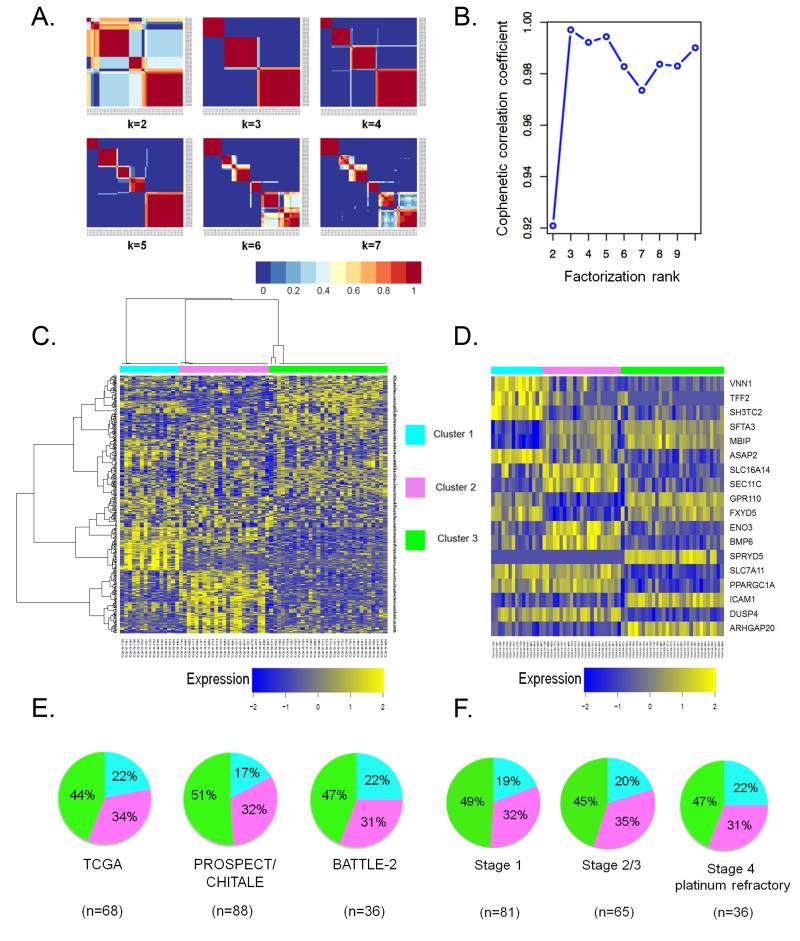
Figure 1. Consensus NMF clustering identifies three robust and reproducible subsets of KRAS-mutant LUAC
(A) Consensus matrices of 68 KRAS-mutant LUACs from the TCGA dataset, computed for k=2 to k=7. (B) Cophenetic correlation coefficient plot reveals peak cluster stability for k=3 ranks. (C) Heatmap depicting mRNA expression levels of 384 genes selected for the NMF algorithm. (D) Relative expression levels of individual genes that comprise the 18-gene cluster assignment signature in LUACs from the TCGA dataset. (E) Cluster composition is preserved across distinct datasets of chemotherapy-naïve (PROSPECT, CHITALE) and platinum-refractory (BATTLE-2) KRAS-mutant LUACs. (F) Subgroup representation is unaffected by increasing disease stage. Stage 4 platinum refractory tumors in this analysis represent the BATTLE-2 clinical cohort.
Figure 2
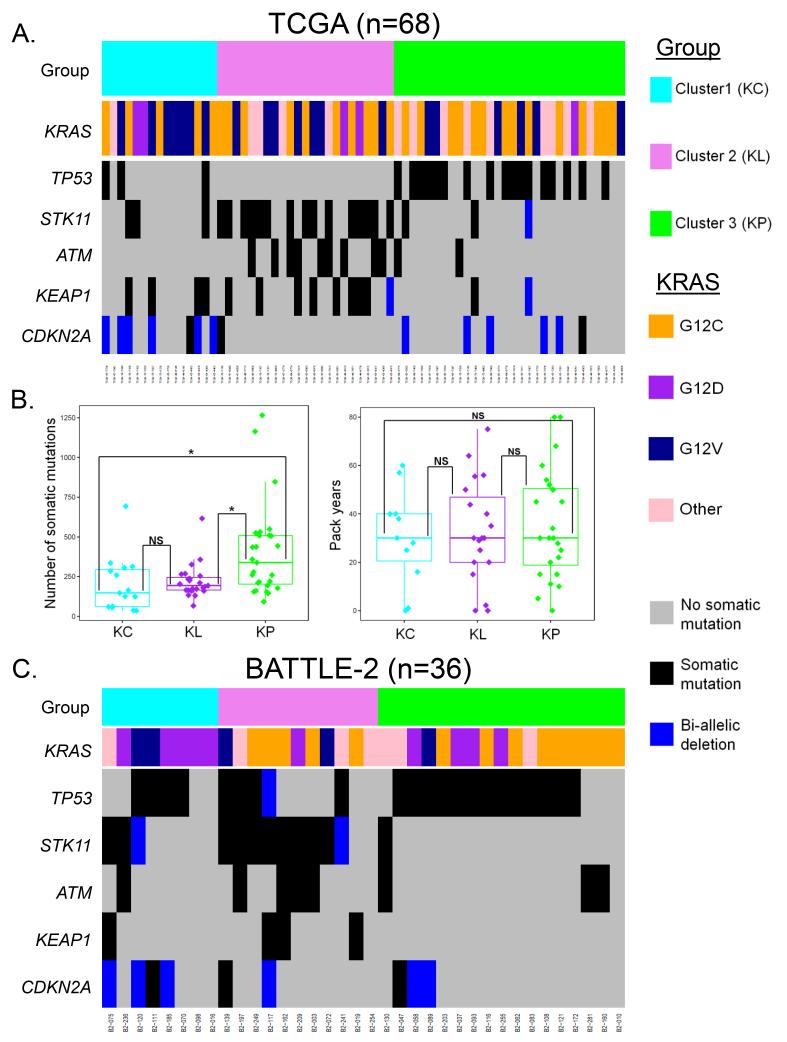
Figure 2. Co-occurring genetic events in pivotal tumor suppressor genes are differentially represented in the three KRAS-mutant LUAC subgroups
(A) Co-mutation plot for 68, predominantly early-stage, KRAS-mutant LUACs from the TCGA dataset. (B) Comparison of overall non-synonymous somatic mutation rate (left panel) and cumulative exposure to smoking (expressed in pack years) (right panel) in the KC, KL and KP subgroups. ANOVA was used for the three group comparison, and Tukey’s post-test was applied to all pair-wise comparisons. Asterisks denote statistical significance at P≤0.05. (C) Co-mutation plot for 36 metastatic, platinum-refractory, KRAS-mutant LUACs with available somatic mutation data from the BATTLE-2 trial.
Figure 3
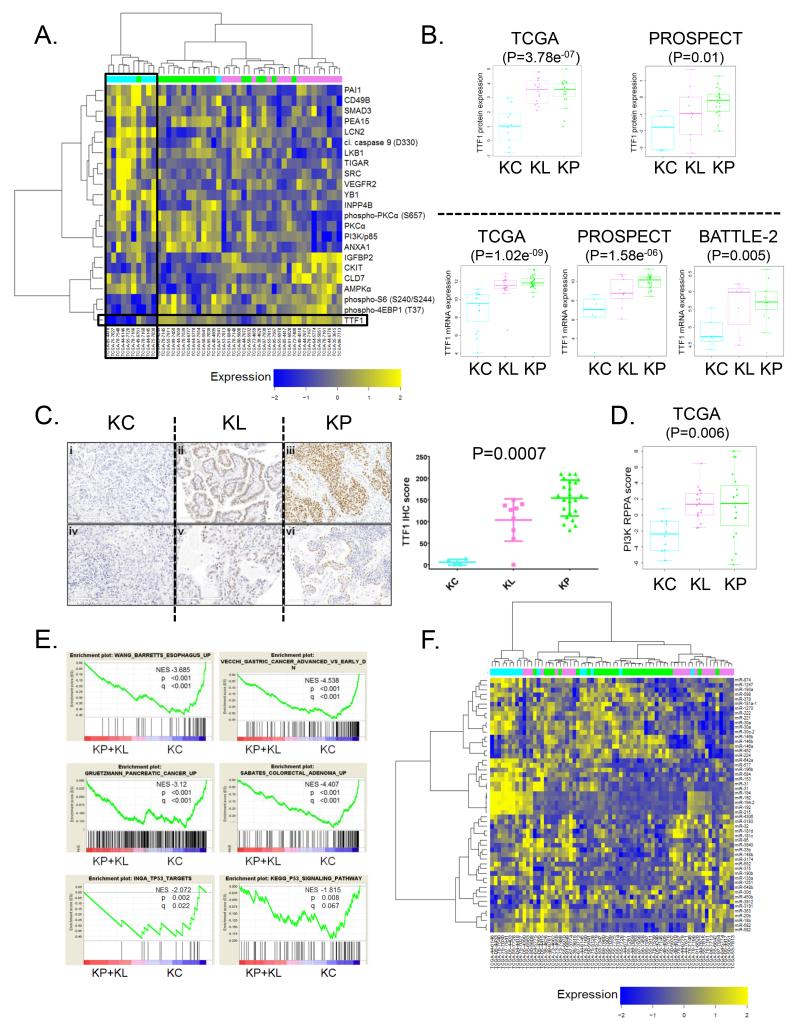
Figure 3. Multi-platform profiling identifies low expression of TTF-1 (NKX2-1) as a defining feature of KRAS-mutant LUACs in the KC cluster
(A) Supervised hierarchical clustering of reverse-phase protein array (RPPA) expression data demonstrates consistently suppressed levels of TTF1 protein in the KC cluster. (B) Quantitative analysis of TTF1 protein (top panels) and TTF1 mRNA (bottom panels) expression in the TCGA, PROSPECT and BATTLE-2 cohorts. Statistical comparison between the three groups is based on ANOVA. (C) Immunohistochemical analysis of TTF1 expression in KRAS-mutant LUACs from PROSPECT. Representative images from tumors in the three clusters are shown in the left panel. Scale bar = 200μm. The Kruskal-Wallis test was used for statistical comparison. Error bars represent standard deviation of the mean. (D) Dot-plot representation of PI3K proteomic (RPPA) score in the three KRAS-mutant LUAC subsets. (E) GSEA shows enrichment of gene expression signatures reflecting both upper and lower GI neoplastic processes as well as wild-type p53 transcriptional activity in the KC cluster. (F) Supervised hierarchical clustering reveals distinct patterns of miRNA expression in the three KRAS-mutant LUAC subsets.
Figure 4
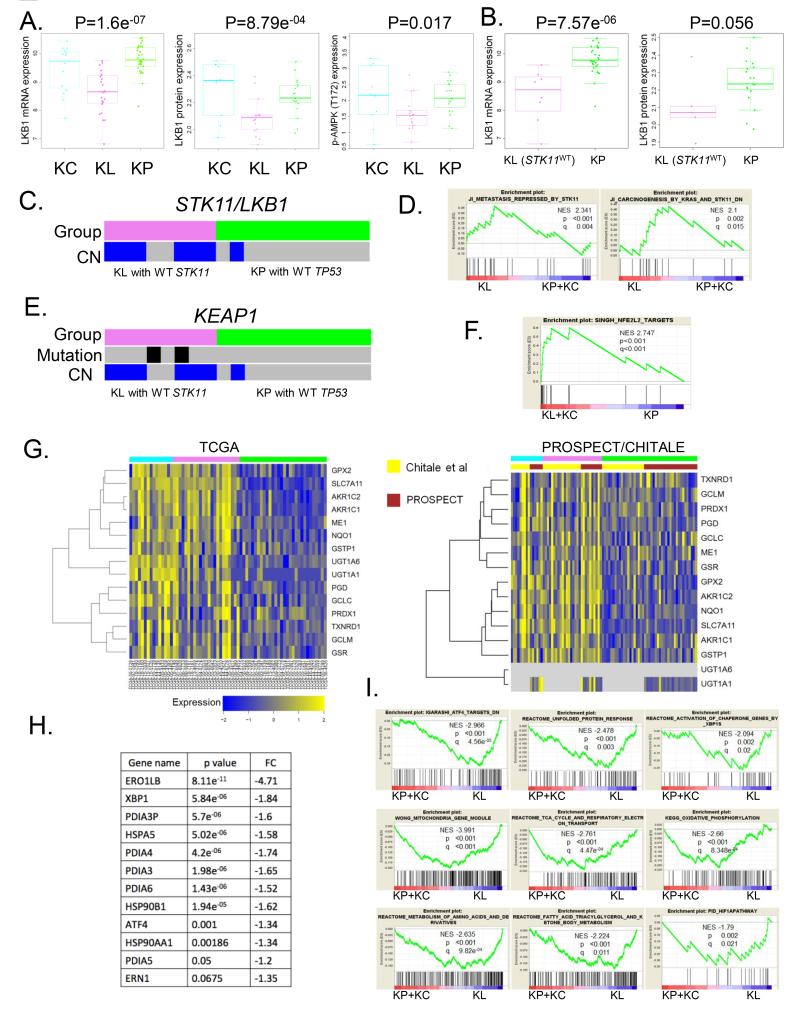
Figure 4. KL tumors with functional inactivation of the LKB1-AMPK pathway display evidence of adaptation to oxidative, proteotoxic and energetic stress
(A) Functional inactivation of the LKB1-AMPK axis in KL tumors. Box plot representation of (from left to right) LKB1 mRNA/protein and phospho-AMPK (Thr172) protein expression. Comparison is based on ANOVA. (B) Suppressed levels of LKB1 mRNA and protein are noted even among STK11/LKB1-wild type tumors in the KL subgroup. The un-paired t-test is used for comparison with KP LUACs. (C) Frequent single copy number loss at the STK11/LKB1 locus among LKB1 somatic mutation-negative KL tumors. (D) GSEA reveals enrichment of two STK11/LKB1 related signatures in the KL subgroup. (E) Frequent genetic abrogation of the KEAP1 locus in LKB1 wild-type KL LUACs. (F) Significant enrichment of a NRF2 (NFE2L2) expression signature in KL and KC tumors. (G) Heatmap display of relative mRNA expression levels of several prototypical NRF2 target genes in the TCGA and combined PROSPECT/CHITALE datasets. (H) Higher expression of several cytoplasmic and ER chaperone proteins and core unfolded protein response components among KL LUACs. P values are based on an unpaired t-test. (I) GSEA identifies altered cellular bio-energetics, activation of the unfolded protein response and HIF-1α pathway up-regulation as prominent modules among LUACs in the KL cluster.
Figure 5
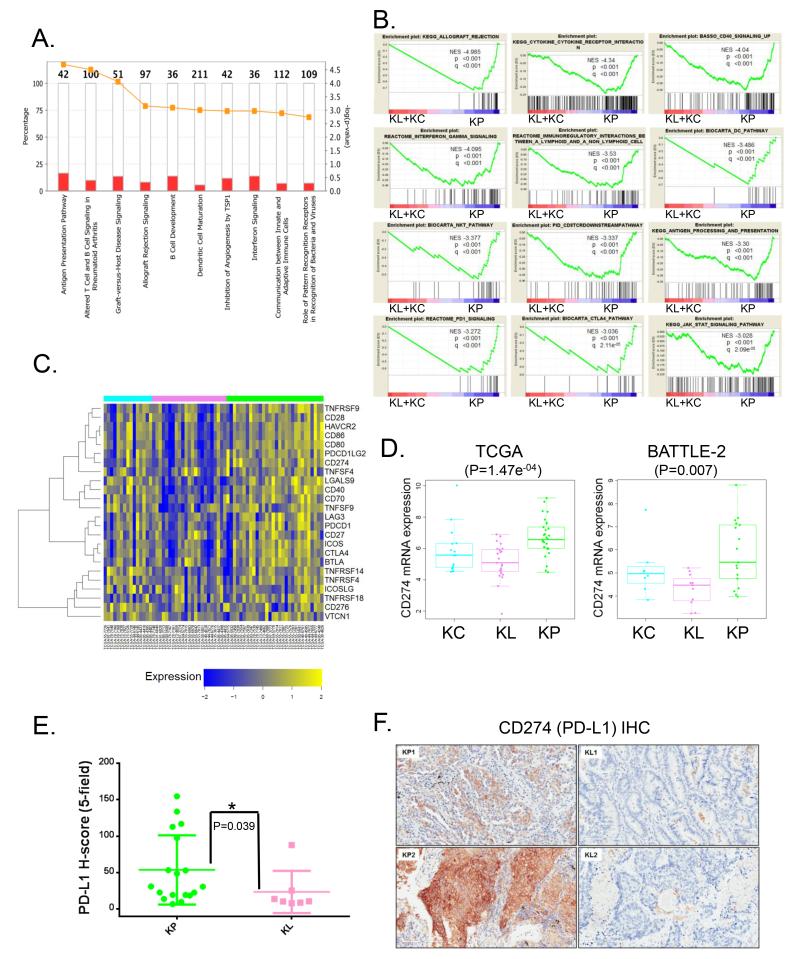
Figure 5. KRAS-mutant LUAC subsets exhibit distinct patterns of immune system engagement
(A) IPA identifies several immune-related modules among the top ten up-regulated pathways in the KP cluster. (B) GSEA reveals prominent enrichment of signatures relating to inflammation, anti-tumor immunity and immune tolerance/escape in the KP subgroup. (C) Heatmap representation of relative mRNA expression levels of selected targetable immune checkpoint mediator/effector molecules. (D) Expression of CD274 (PD-L1) mRNA in KRAS-mutant LUAC subsets. ANOVA is used for statistical comparison between the three groups. (E) Comparison of PD-L1 H-score between KL and KP tumors in a tissue microarray from PROSPECT. A single confirmed triple mutant tumor (KRAS;TP53;LKB1) in this cohort is excluded from the analysis. Wilcoxon rank-sum test is used for statistical comparison. Error bars represent standard deviation of the mean. (F) Representative images of CD274 immuno-staining in LUACs from the KL (KL1/KL2) and KP (KP1/KP2) clusters. Scale bar = 200μm.
Figure 6
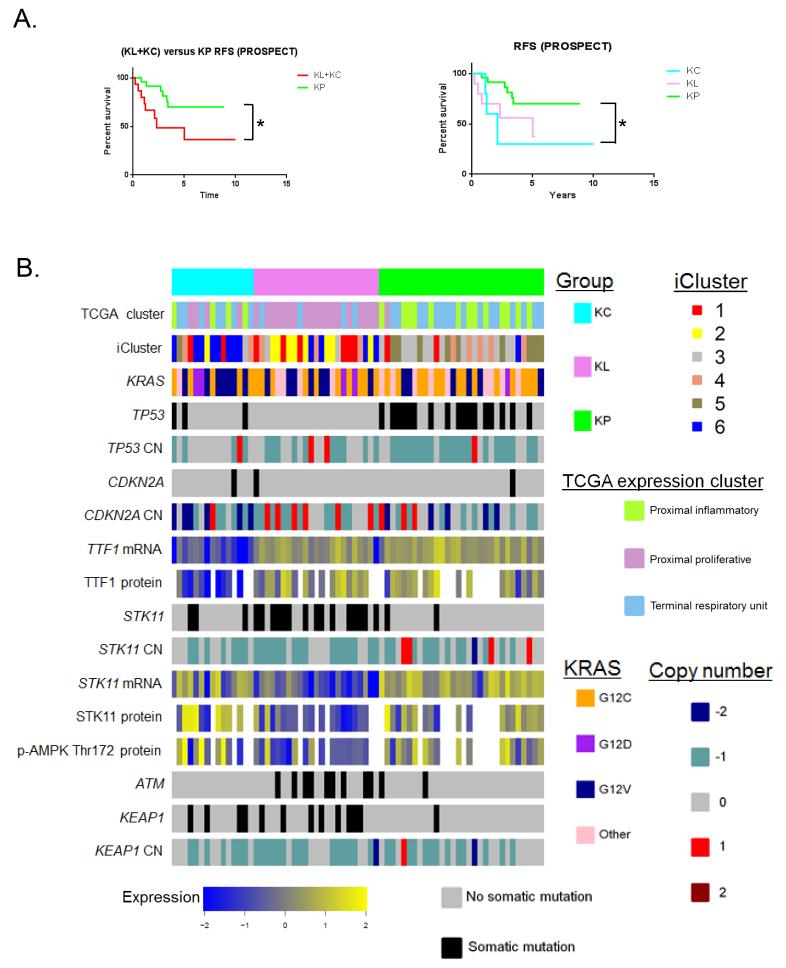
Figure 6. Prognostic utility of KRAS-mutant LUAC subgroups and integrated view of their key genetic, transcriptional and proteomic features
(A) Kaplan-Meier estimates of relapse-free survival following surgical resection of 40 KRAS-mutant LUACs from PROSPECT (one stage 4 tumor was excluded from the analysis). Comparison of RFS was based on the log-rank test. Asterisk denotes statistical significance at the P≤0.05 level. (B) Integrated view of key genetic, transcriptional and proteomic features of the three KRAS-mutant LUAC subgroups. The relationship with the TCGA expression (proximal proliferative/proximal inflammatory/terminal respiratory unit) and integrated clusters (iCluster) is also indicated.
Figure 7
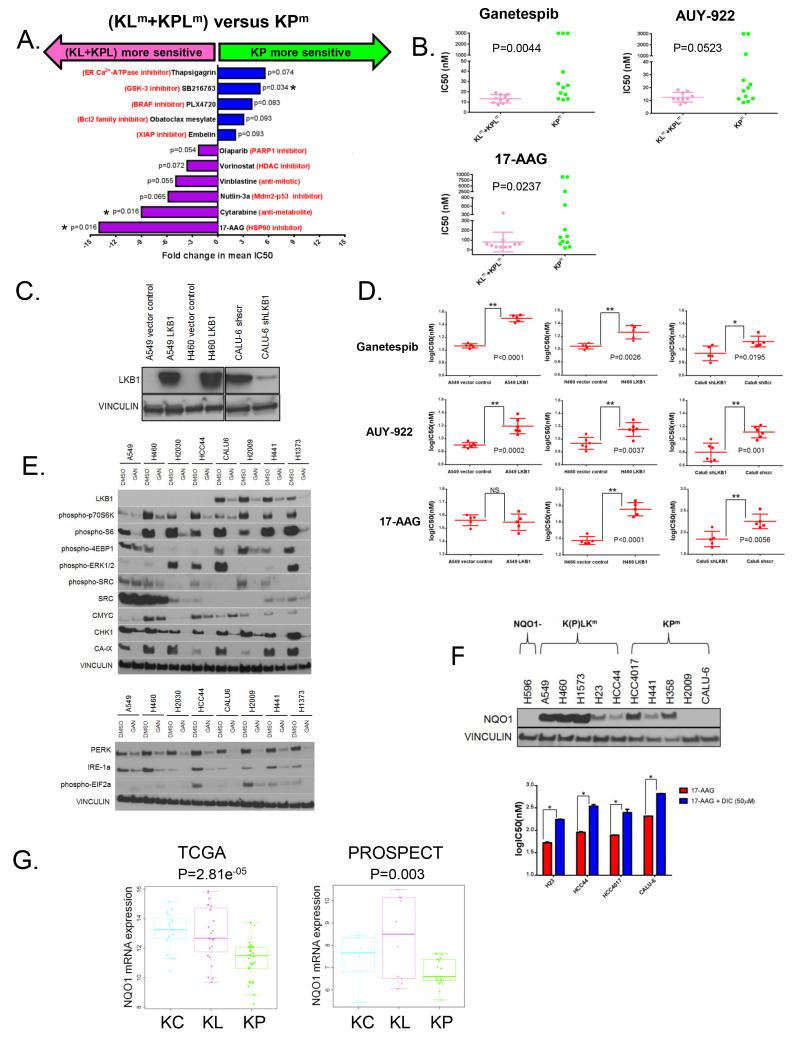
Figure 7. KRAS co-mutations are associated with distinct therapeutic vulnerabilities
(A) Re-analysis of drug sensitivity data (34) for 19 KRAS-mutant NSCLC cell lines based on the presence of co-mutations in STK11/LKB1 and TP53.KRAS;LKB1 (KLm) and KRAS;TP53;LKB1 (KPLm) triple mutant lines were grouped together (n=9) for this analysis and compared to KRAS;TP53 (KPm) lines with wild-type STK11/LKB1 status (n=10). Drugs with Wilcoxon rank-sum test-derived P values ≤ 0.1 for the (KLm+KPLm) versus KPm comparison are displayed and fold change in mean IC50 values is plotted on the x axis. Asterisk denotes statistical significance at the P≤0.05 level. (B) KRAS-mutant NSCLC cell lines with LKB1 inactivation show increased sensitivity to HSP90 inhibition. Scatter plots of median IC50 values (nM) (from three to five independent experiments) of 10 KLm/KPLm and 12 KPm cell lines for three chemically distinct HSP90 inhibitors. The Wilcoxon rank sum test is used for statistical comparison. (C) Western blot analysis of LKB1 expression in three isogenic pairs of LKB1 deficient/proficient KRAS-mutant NSCLC cell lines. (D) LKB1-status dependent sensitization of KRAS-mutant NSCLC cell lines to HSP90 inhibitors. Log10IC50 (nM) values from five to six independent experiments for each isogenic pair were compared using the un-paired t-test.* denotes significance at the P≤0.05 and ** at the P≤0.01 level. Error bars represent SD of the mean. (E) Ganetespib simultaneously destabilizes multiple proteins that support the fitness of KRAS-mutant NSCLC cell lines with LKB1 inactivation. (F) NQO1-mediated bio-activation contributes to the sensitivity of NSCLC cell lines to 17-AAG. Top panel: Robust expression of NQO1 among KRAS;(TP53);LKB1 lines, which frequently harbor co-occurring mutations in KEAP1[K(P)LKm]. KP lines display variable NQO1 expression (CALU-6 expresses NQO1 after prolonged exposure). The *2NQO1- polymorphic H596 cell line is used as negative control. Bottom panel: Co-treatment with dicumarol, a NQO1-inhibitor, renders KRAS-mutant NSCLC partially resistant to 17-AAG. Un-paired t-test is used for all statistical comparisons. Error bars represent SD of the mean from two independent experiments. (G) Differential expression of NQO1 mRNA in the three KRAS-mutant LUAC subgroups in the TCGA (left panel) and PROSPECT (right panel) cohorts. ANOVA is used for statistical comparison.

References

    1. Chong CR, Janne PA. The quest to overcome resistance to EGFR-targeted therapies in cancer. Nat Med. 2013;19(11):1389–400. - PMC - PubMed
    1. Shaw AT, Engelman JA. ALK in lung cancer: past, present, and future. J Clin Oncol. 2013;31(8):1105–11. - PMC - PubMed
    1. Stephen AG, Esposito D, Bagni RK, McCormick F. Dragging ras back in the ring. Cancer Cell. 2014;25(3):272–81. - PubMed
    1. Ostrem JM, Peters U, Sos ML, Wells JA, Shokat KM. K-Ras(G12C) inhibitors allosterically control GTP affinity and effector interactions. Nature. 2013;503(7477):548–51. - PMC - PubMed
    1. Janne PA, Shaw AT, Pereira JR, Jeannin G, Vansteenkiste J, Barrios C, et al. Selumetinib plus docetaxel for KRAS-mutant advanced non-small-cell lung cancer: a randomised, multicentre, placebo-controlled, phase 2 study. Lancet Oncol. 2013;14(1):38–47. - PubMed

Publication types

MeSH terms