


Matrix-Induced Autologous Chondrocyte Implantation versus Multipotent Stem Cells for the Treatment of Large Patellofemoral Chondral Lesions: A Nonrandomized Prospective Trial
- PMID: 26069711
- PMCID: PMC4462249
- DOI: 10.1177/1947603514563597
Matrix-Induced Autologous Chondrocyte Implantation versus Multipotent Stem Cells for the Treatment of Large Patellofemoral Chondral Lesions: A Nonrandomized Prospective Trial
Abstract
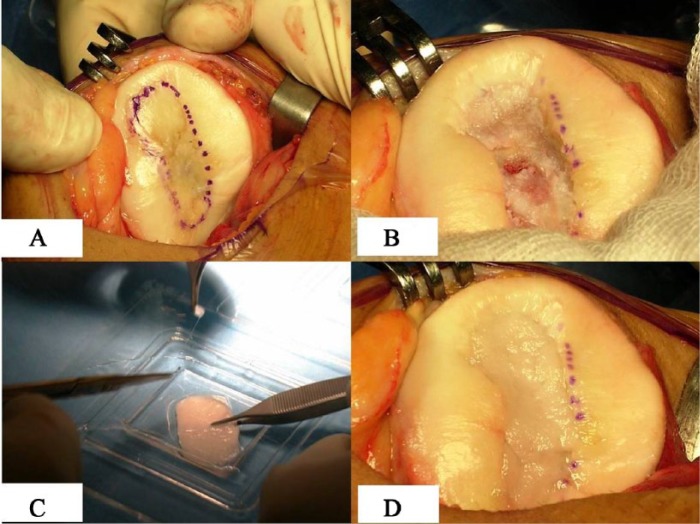
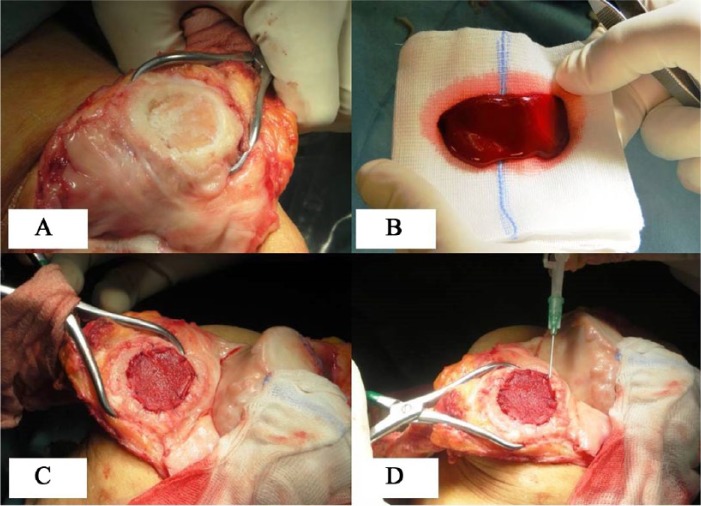
Objective: To compare the outcome of matrix-induced autologous chondrocyte implantation (MACI) and bone marrow aspirate concentrate (BMAC)-derived multipotent stem cells (MSCs) implantation in patellofemoral chondral lesions, using the same HYAFF11 scaffold.
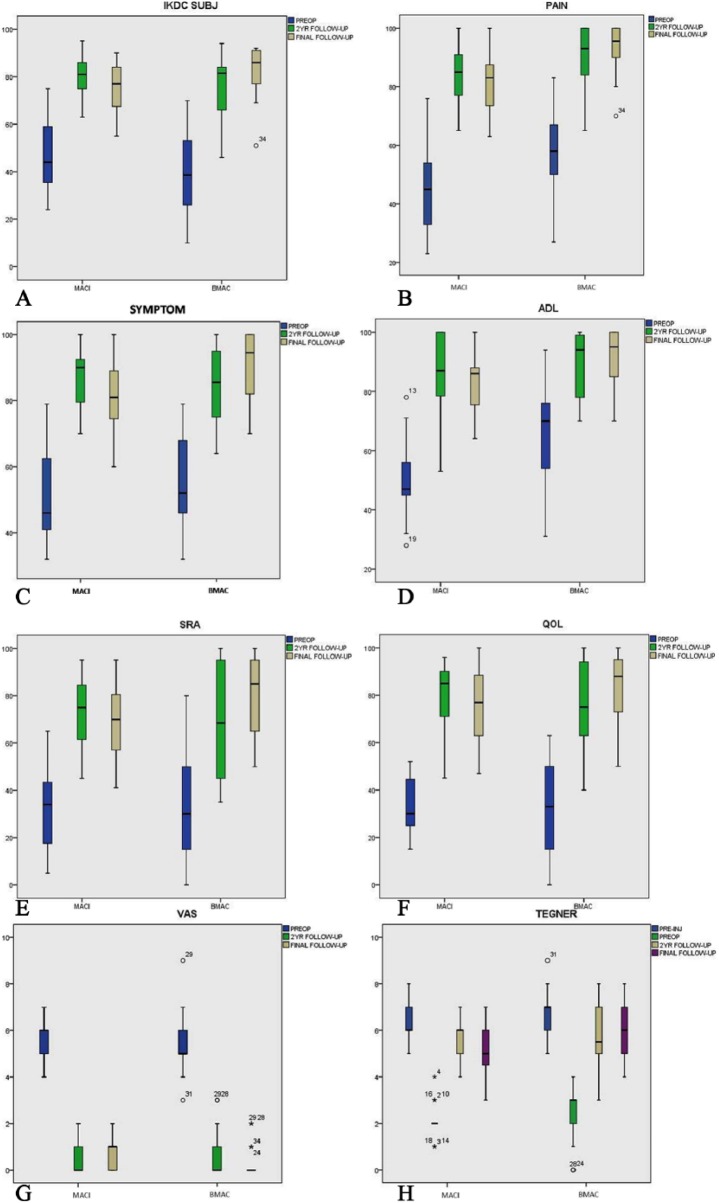
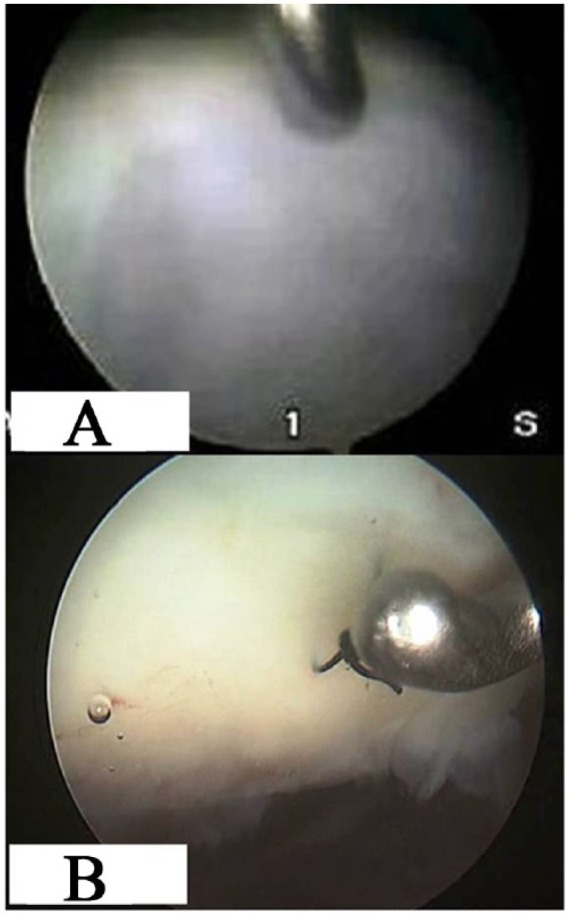
Methods: From January 2005 to December 2010, 37 patients with patellofemoral chondral lesions were prospectively followed up, for a minimum of 3 years; 19 of these patients were treated with MACI and 18 with BMAC. Radiographs, magnetic resonance imaging, and clinical scores (International Knee Documentation Committee, Knee Injury and Osteoarthritis Outcome Score, visual analog scale, and Tegner) were collected preoperatively, at 2-year and final follow-up. Five patients of MACI and 6 of the BMAC group underwent second-look arthroscopy; 4 patients of each group consented to a concomitant biopsy.
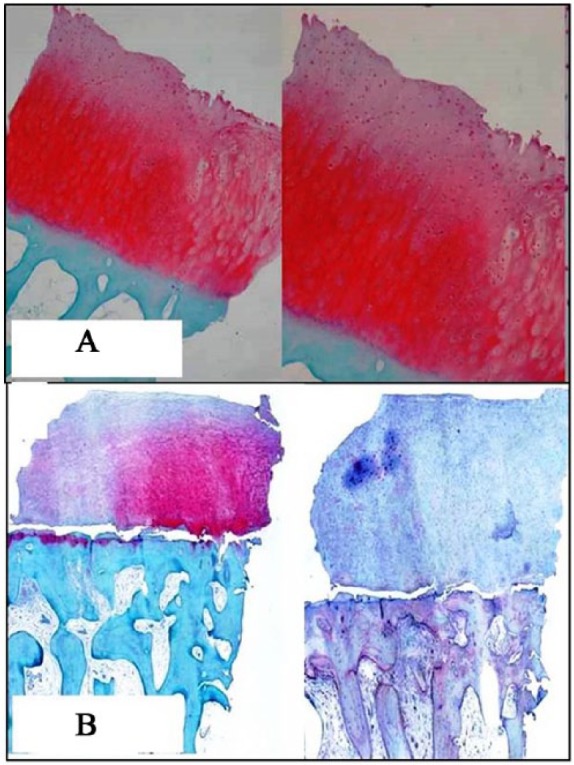
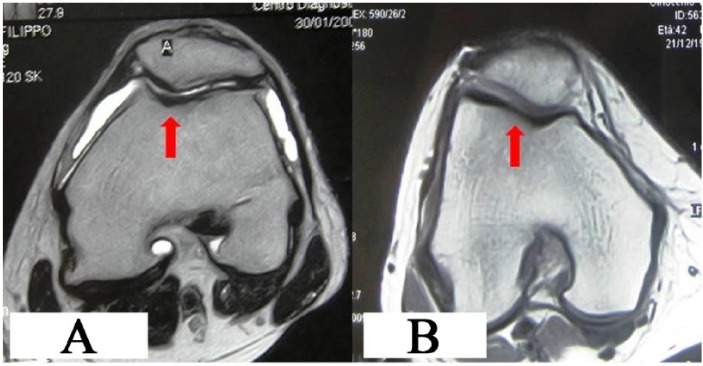
Results: No adverse reactions or postoperative infections were noted. Baseline characteristics were similar in both groups (P > 0.05). Both groups showed significant improvement in all scores, from preoperative to final follow-up (P = 0.001), but there was no significant difference in improvement between the 2 groups, except for the IKDC subjective score (P = 0.015), which favored the BMAC group. Deterioration in MACI and improvement in BMAC group scores were noticed, from 2-year to final follow-up, but was nonsignificant. MACI patients with trochlear lesions showed better results than patellar lesions, while location was not a prognostic factor in the BMAC group. MRI showed complete filling of the defects in 76% of patients in MACI and 81% of patients in BMAC, and histological analysis revealed hyaline-like features.
Conclusion: Both techniques are viable and effective for large patellofemoral chondral lesions at minimum 3-year follow-up.
Keywords: HYAFF11; bone marrow aspirate concentrate (BMAC); matrix-induced autologous chondrocyte implantation (MACI); multipotent stem cell (MSC); patellofemoral chondral defects.
Conflict of interest statement
Figures
References
-
- Gobbi A, Kon E, Berruto M, Filardo G, Delcogliano M, Boldrini L, et al. Patellofemoral full-thickness chondral defects treated with second-generation autologous chondrocyte implantation: results at 5 years’ follow-up. Am J Sports Med. 2009;37(6):1083-92. - PubMed
-
- Filardo G, Kon E, Andriolo L, Di Martino A, Zaffagnini S, Marcacci M. Treatment of “patellofemoral” cartilage lesions with matrix-assisted autologous chondrocyte transplantation: a comparison of patellar and trochlear lesions. Am J Sports Med. 2014;42(3):626-34. - PubMed
-
- Saleh KJ, Arendt EA, Eldridge J, Fulkerson JP, Minas T, Mulhall KJ. Operative treatment of patellofemoral arthritis. J Bone Joint Surg Am. 2005;87(3):659-71. - PubMed
-
- Brittberg M, Lindahl A, Nilsson A, Ohlsson C, Isaksson O, Peterson L. Treatment of deep cartilage defects in the knee with autologous chondrocyte transplantation. N Engl J Med. 1994;331(14):889-95. - PubMed
LinkOut - more resources
Full Text Sources
Other Literature Sources
