


Histologic classification of non-small-cell lung cancer over time: reducing the rates of not-otherwise-specified
- PMID: 26089727
- PMCID: PMC4462538
- DOI: 10.3747/co.22.2339
Histologic classification of non-small-cell lung cancer over time: reducing the rates of not-otherwise-specified
Abstract
Background: The importance of histologic classification in selecting the appropriate systemic therapy for non-small-cell lung cancer (nsclc) came to attention in 2007. In British Columbia, that information was communicated through international and national meetings, our centralized cancer care program, and to the medical community at large in multidisciplinary forums. We examined the effects of those education programs on the categorization of nsclc and associated systemic treatment practices.
Methods: The BC Cancer Agency provides cancer care to 4.6 million residents of British Columbia. A retrospective review of all stage iiib and ivnsclc patients referred in 2007 and 2011 collected baseline characteristics, treatment, and outcomes. Histology was classified using the International Classification of Diseases for Oncology, 3rd edition, for the Canadian Cancer Registry.
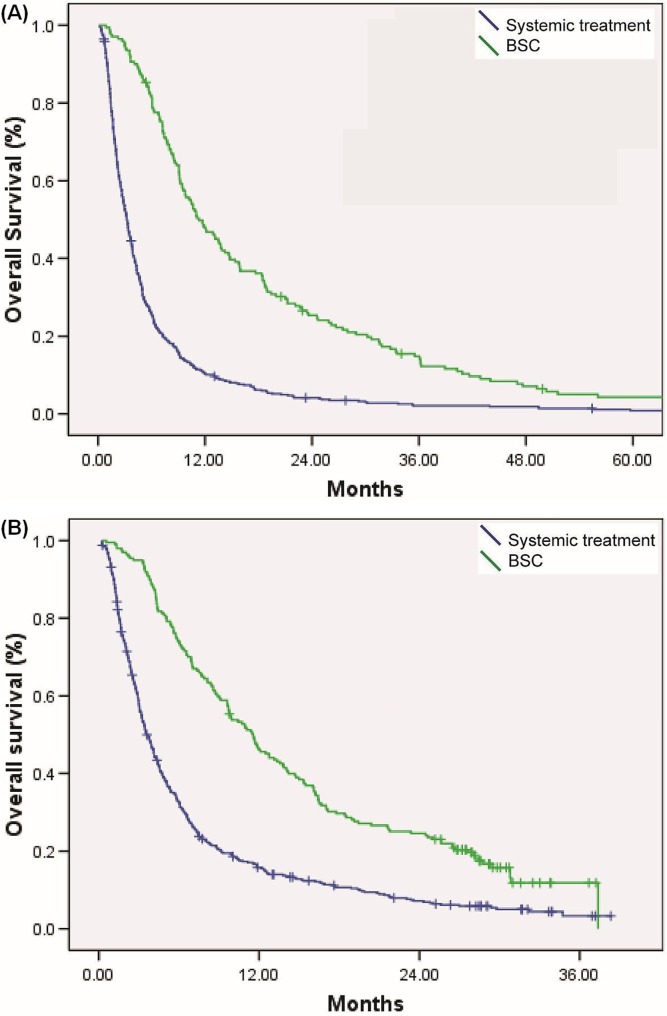
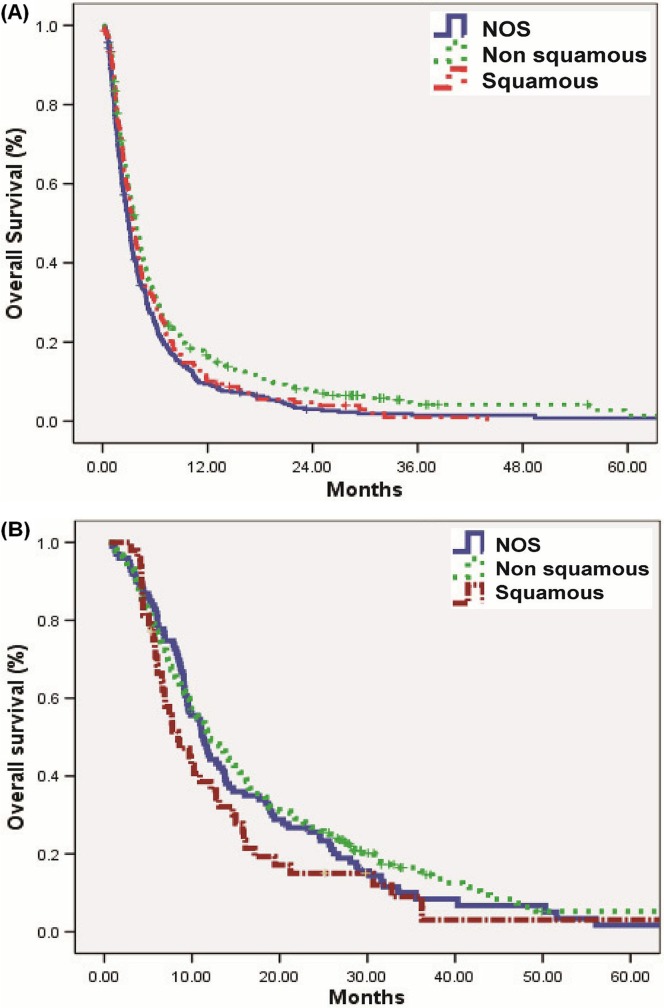
Results: In 2007, 671 patients were referred, and 170 received chemotherapy; in 2011, the relevant figures were 680 and 197 respectively. Baseline characteristics in the cohorts were not statistically significantly different in 2007 and 2011. Histologic classifications in 2007 were 41% nonsquamous, 13% squamous, and 46% not otherwise specified (nos); in 2011, they were 63%, 17%, and 20% respectively. Exposure to pemetrexed in any line of therapy in 2007 was 22% for nonsquamous, 17% for squamous, and 10% for nos; in 2011, exposure was 39%, 3%, and 37% respectively. Exposure to epidermal growth factor receptor tyrosine kinase inhibitor (egfrtki) in 2007 was 36%, 22%, and 33%; in 2011, it was 64%, 60%, and 63%. Median overall survival duration, 2007 versus 2011, was 3.25 months versus 3.57 months with best supportive care, and 11.31 months versus 11.54 months with chemotherapy.
Conclusions: The specificity of nsclc histologic categorization improved in 2011 compared with 2007, with a reduction of 26 percentage points in the rate of nos disease. The proportion of patients treated with chemotherapy over time remained the same, but the use of pemetrexed and egfrtki increased. The increased accuracy in histologic classification resulted in more appropriate utilization of systemic drugs.
Keywords: Histology; lung cancer; nonsquamous; nos; squamous; systemic therapy.
Figures
References
-
- Canadian Cancer Society’s Advisory Committee on Cancer Statistics . Canadian Cancer Statistics 2014. Toronto, ON: Canadian Cancer Society; 2014. [Available online at: http://www.cancer.ca/~/media/cancer.ca/cw/cancer%20information/cancer%20...; cited 11 October 2014]
-
- Peterson P, Fossella F, Gatzemeier U, John W, Scagliotti G. Is pemetrexed more effective in patients with non-squamous histology? A retrospective analysis of a phase iii trial of pemetrexed vs docetaxel in previously treated patients with advanced non-small cell lung cancer (nsclc) [abstract] EJC Suppl. 2007;5:363–4. doi: 10.1016/S1359-6349(07)71349-6. - DOI
LinkOut - more resources
Full Text Sources
Other Literature Sources
Research Materials
