


Exercise intolerance in heart failure with preserved ejection fraction: more than a heart problem
- PMID: 26089855
- PMCID: PMC4460174
- DOI: 10.11909/j.issn.1671-5411.2015.03.013
Exercise intolerance in heart failure with preserved ejection fraction: more than a heart problem
Abstract
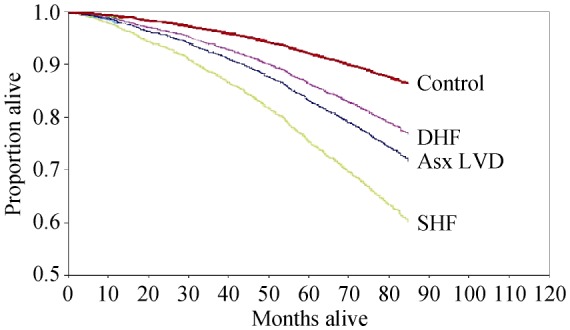
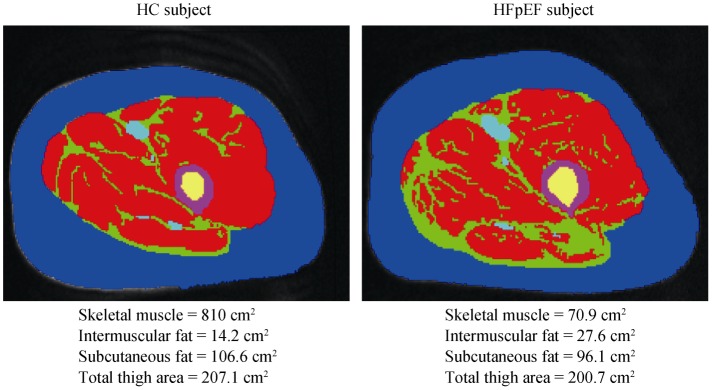
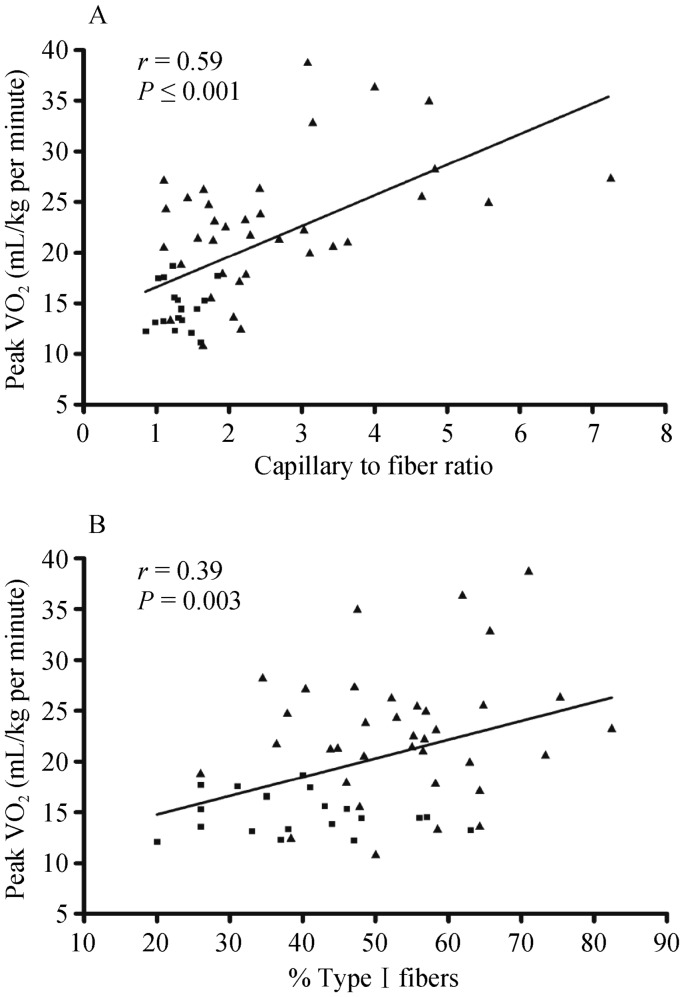
Heart failure (HF) with preserved ejection fraction (HFpEF) is the most common form of HF in older adults, and is increasing in prevalence as the population ages. Furthermore, HFpEF is increasing out of proportion to HF with reduced EF (HFrEF), and its prognosis is worsening while that of HFrEF is improving. Despite the importance of HFpEF, our understanding of its pathophysiology is incomplete, and optimal treatment remains largely undefined. A cardinal feature of HFpEF is reduced exercise tolerance, which correlates with symptoms as well as reduced quality of life. The traditional concepts of exercise limitations have focused on central dysfunction related to poor cardiac pump function. However, the mechanisms are not exclusive to the heart and lungs, and the understanding of the pathophysiology of this disease has evolved. Substantial attention has focused on defining the central versus peripheral mechanisms underlying the reduced functional capacity and exercise tolerance among patients with HF. In fact, physical training can improve exercise tolerance via peripheral adaptive mechanisms even in the absence of favorable central hemodynamic function. In addition, the drug trials performed to date in HFpEF that have focused on influencing cardiovascular function have not improved exercise capacity. This suggests that peripheral limitations may play a significant role in HF limiting exercise tolerance, a hallmark feature of HFpEF.
Keywords: Exercise intolerance; Heart failure; Peripheral limitations; Skeletal muscle.
Figures
References
-
- Massie BM, Carson PE, McMurray JJ, et al. Irbesartan in patients with heart failure and preserved ejection fraction. N Engl J Med. 2008;359:2456–2467. - PubMed
-
- Edelmann F, Aldo-DHF investigators Effect of spironolactone on diastolic function and exercise capacity in patients with heart failure with preserved ejection fraction: the Aldo-DHF randomized controlled trial. JAMA. 2013;309:781–791. - PubMed
-
- Pitt B, Pfeffer M, Assmann S, et al. Spironolactone for heart failure with preserved ejection fraction. N Engl J Med. 2014;370:1383–1392. - PubMed
Publication types
Grants and funding
LinkOut - more resources
Full Text Sources
Research Materials
Miscellaneous