


Appropriateness of oral drugs for long-term treatment of lower urinary tract symptoms in older persons: results of a systematic literature review and international consensus validation process (LUTS-FORTA 2014)
- PMID: 26104505
- PMCID: PMC4615806
- DOI: 10.1093/ageing/afv077
Appropriateness of oral drugs for long-term treatment of lower urinary tract symptoms in older persons: results of a systematic literature review and international consensus validation process (LUTS-FORTA 2014)
Abstract
Aim: we aimed to systematically review drugs to treat lower urinary tract symptoms (LUTS) regularly used in older persons to classify appropriate and inappropriate drugs based on efficacy, safety and tolerability by using the Fit fOR The Aged (FORTA) classification.
Methods: to evaluate the efficacy, safety and tolerability of drugs used for treatment of LUTS in older persons, a systematic review was performed. Papers on clinical trials and summaries of individual product characteristics were analysed regarding efficacy and safety in older persons (≥65 years). The most frequently used drugs were selected based on current prescription data. An interdisciplinary international expert panel assessed the drugs in a Delphi process.
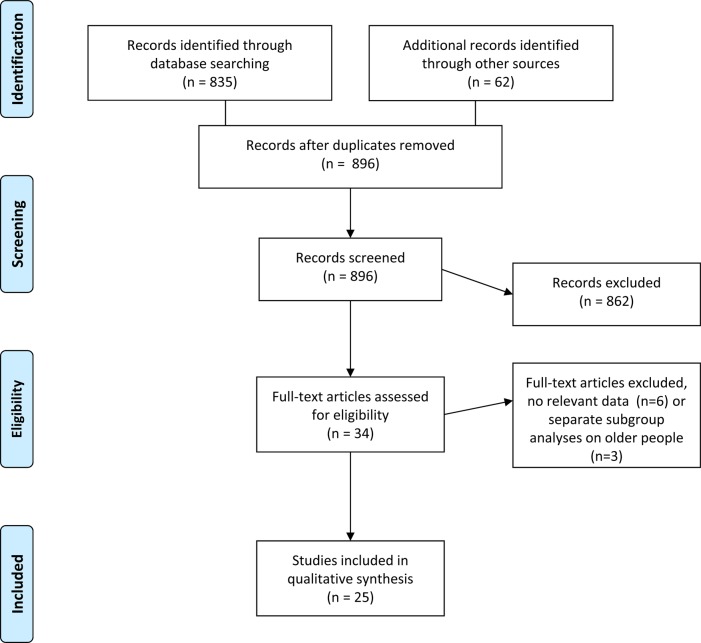
Results: for the 16 drugs included here, a total of 896 citations were identified; of those, only 25 reported clinical trials with explicit data on, or solely performed in older people, underlining the lack of evidence in older people for drug treatment of LUTS. No drug was rated at the FORTA-A-level (indispensable). Only three were assigned to FORTA B (beneficial): dutasteride, fesoterodine and finasteride. The majority was rated FORTA C (questionable): darifenacin, mirabegron, extended release oxybutynin, silodosin, solifenacin, tadalafil, tamsulosin, tolterodine and trospium. FORTA D (avoid) was assigned to alfuzosin, doxazosin, immediate release oxybutynin, propiverine and terazosin.
Conclusions: dutasteride, fesoterodine and finasteride were classified as beneficial in older persons or frail elderly people (FORTA B). For most drugs, in particular those from the group of α-blockers and antimuscarinics, use in this group seems questionable (FORTA C) or should be avoided (FORTA D).
Keywords: 5α-reductase inhibitors; adrenergic α blockers; adrenergic β-3 agonists; antimuscarinics; effectiveness; elderly; lower urinary tract symptoms; older people; phosphodiesterase 5 inhibitors; systematic review; tolerability.
© The Author 2015. Published by Oxford University Press on behalf of the British Geriatrics Society. All rights reserved. For Permissions, please email: journals.permissions@oup.com.
Figures
Comment in
-
ACP Journal Club. Review: Dutasteride, fesoterodine, and finasteride are beneficial for lower urinary tract symptoms in older patients.Ann Intern Med. 2015 Oct 20;163(8):JC7. doi: 10.7326/ACPJC-2015-163-8-007. Ann Intern Med. 2015. PMID: 26502144 No abstract available.
-
Re: Appropriateness of Oral Drugs for Long-Term Treatment of Lower Urinary Tract Symptoms in Older Persons: Results of a Systematic Literature Review and International Consensus Validation Process (LUTS-FORTA 2014).J Urol. 2016 Oct;196(4):1216-8. doi: 10.1016/j.juro.2016.07.028. Epub 2016 Jul 15. J Urol. 2016. PMID: 27628813 No abstract available.
References
-
- Schwabe U, Paffrath D. Arzneiverordnungs-Report 2013: Aktuelle Daten, Kosten, Trends und Kommentare [in German]. Heidelberg: Springer Verlang, 2013.
-
- van den Akker M, Buntinx F, Metsemakers JF, Roos S, Knottnerus JA. Multimorbidity in general practice: prevalence, incidence, and determinants of co-occurring chronic and recurrent diseases. J Clin Epidemiol 1998; 51: 367–75. - PubMed
-
- Kaufman DW, Kelly JP, Rosenberg L, Anderson TE, Mitchell AA. Recent patterns of medication use in the ambulatory adult population of the United States: the Slone survey. JAMA 2002; 287: 337–44. - PubMed
-
- Barmer Insurance. Barmer GEK Arzneimittelverordnungsreport 2013 [in German]. www.khbrisch.de/files/barmer_gek_arzneimittelreport_2013.pdf (27 July 2014, date last accessed).
-
- Light D. Bearing the risks of prescription drugs. In: Light DW, ed. The Risks of Prescription Drugs. New York: Columbia University Press, 2010; 1–39.
Publication types
MeSH terms
Substances
LinkOut - more resources
Full Text Sources
Other Literature Sources
Medical
