


Overcrowding of accident & emergency units: is it a growing concern in Nigeria?
- PMID: 26124792
- PMCID: PMC4480484
- DOI: 10.4314/ahs.v15i2.20
Overcrowding of accident & emergency units: is it a growing concern in Nigeria?
Abstract
Background: The inability of the Nigeria's Accident and Emergency Departments (AED) to meet current demands is growing among the public and health care professionals. The data supporting perceptions of insufficient capacity are limited. Therefore, this study was intended to determine the prevalence, causes, and effects of overcrowding AEDs in Nigeria.
Materials and methods: This was a cross sectional, descriptive study carried out among AED staff of 3 referral teaching hospitals in Nigeria, using a pre-tested and validated structured questionnaire.
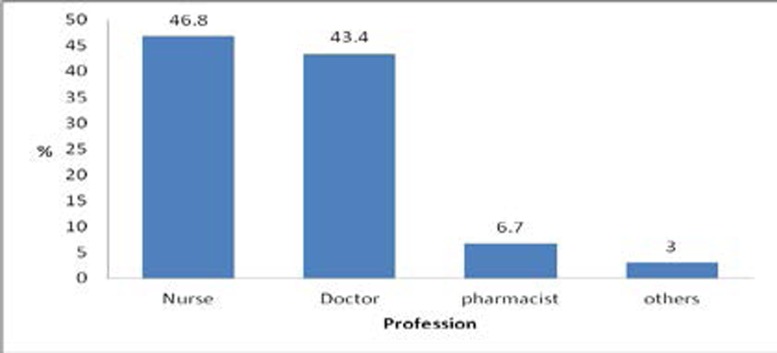
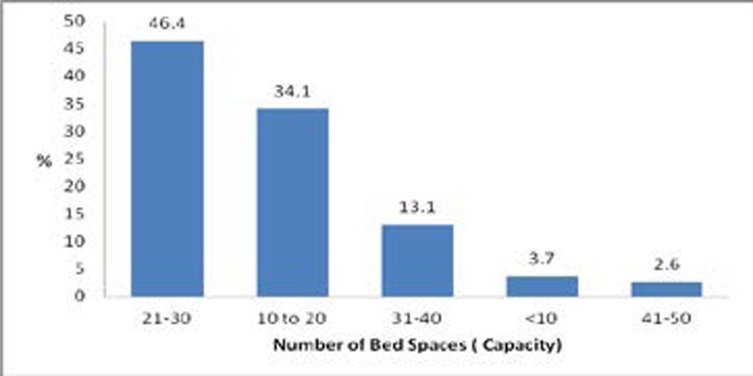
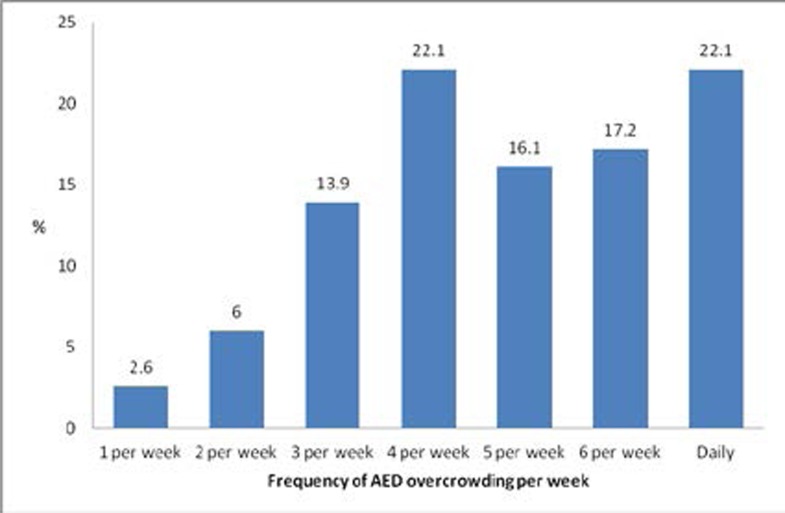
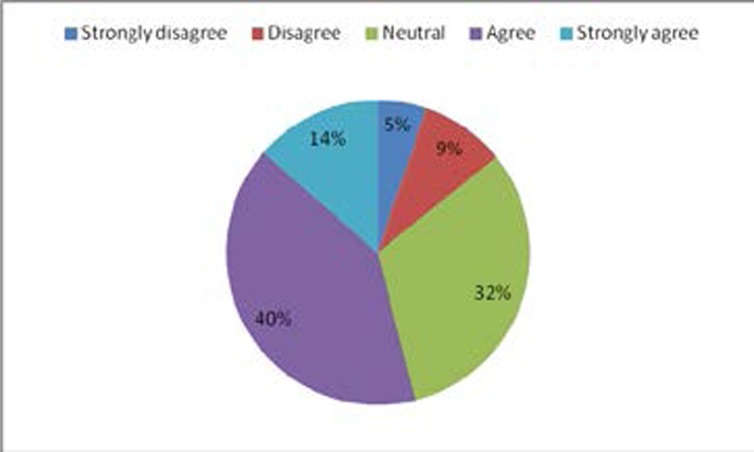
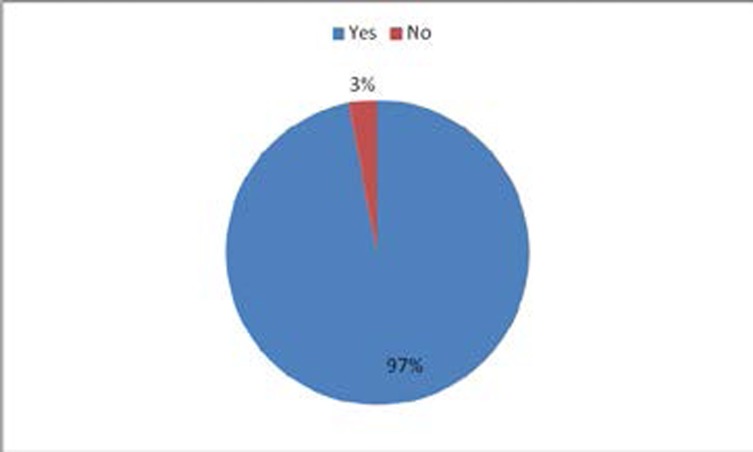
Results: The analysis of the 267 AED staff revealed 20-56 years (36.40+5.1 mean) age range. One hundred and twenty eight (47.9%) were males, 139 (52.1%) females. Two hundred and fifty nine (97%) agreed that an AED should have a bed capacity of 21-30. Agreement to AED overcrowding in Nigeria was quite considerable. The frequency of AED overcrowding per week was 4-7 times. The average bed occupancy level was 3.25. Agreed common causes of prolonged AED admissions were to be a high volume of critically ill patients, Delayed transfer of patients to the wards, delay in theatre operation, delay in radiological investigations and exceptionally high proportion of patients requiring admission in AED. Also, long pre-review waiting time and haematological delays were more causes. The average waiting time for victims to be seen was 29.7 minutes.
Conclusion: There are many causes of AED overcrowding in this environment. However, improving AED bed management, better organized and diligent discharge planning, and reducing access block should be a priority to reduce AED overcrowding.
Keywords: Nigeria; Overcrowding; accident; emergency surgery.
Figures
References
-
- American Academy of Pediatrics Overcrowding Crisis in Our Nation's Emergency Departments, author. Is Our Safety Net Unraveling? [22nd December, 2012];Pediatrics. 2004 114:878. doi: 10.1542/peds.2004-1287. http://pediatrics.aappublications.org/content/114/3/878.full.html. - DOI - PubMed
-
- McCabe J B. Emergency department overcrowding: A national crisis. Academic medicine. 2001;76:672–674. - PubMed
-
- Lewin Group (for the American Hospital Association), author The results of the American Hospital Association Survey of Emergency Department (ED) and Hospital Capacity. Falls Church, VA: American Hospital Association; 2002. Emergency department overload: a growing crisis.
MeSH terms
LinkOut - more resources
Full Text Sources
Other Literature Sources