Review
. 2015 Jul 1;125(7):2551-7.
doi: 10.1172/JCI80575. Epub 2015 Jul 1.

Hurdles to clinical translation of human induced pluripotent stem cells

Review

Hurdles to clinical translation of human induced pluripotent stem cells

Evgenios Neofytou et al. J Clin Invest. .

Abstract

Human pluripotent stem cells are known to have the capacity to renew indefinitely, being intrinsically able to differentiate into many different cell types. These characteristics have generated tremendous enthusiasm about the potential applications of these cells in regenerative medicine. However, major challenges remain with the development and testing of novel experimental stem cell therapeutics in the field. In this Review, we focus on the nature of the preclinical challenges and discuss potential solutions that could help overcome them. Furthermore, we discuss the use of allogeneic versus autologous stem cell products, including a review of their respective advantages and disadvantages, major clinical requirements, quality standards, time lines, and costs of clinical grade development.


Figures
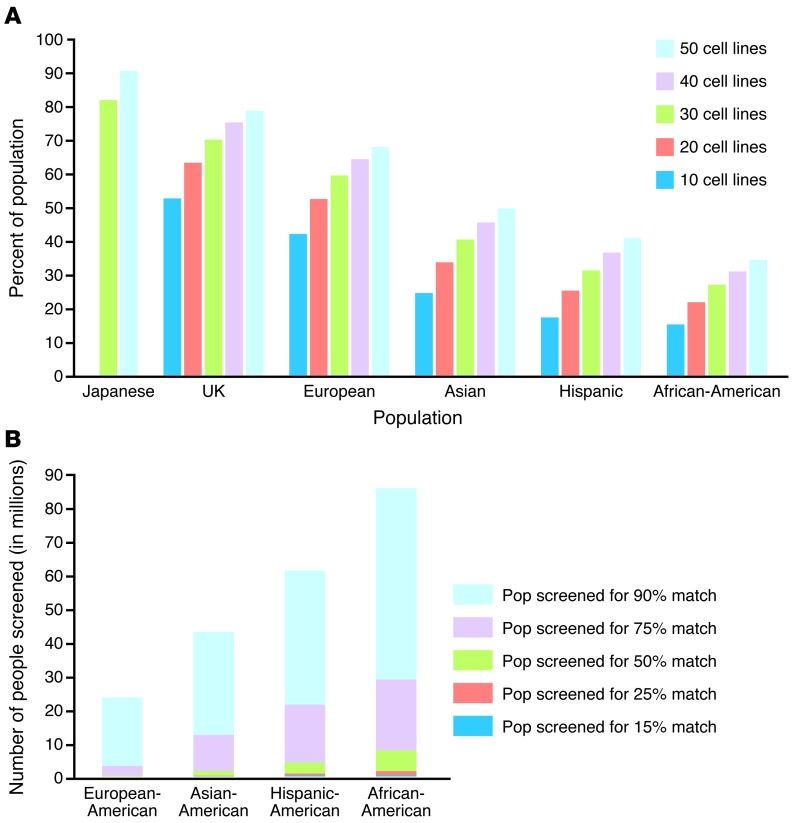
Figure 2
Figure 2. Considerations for iPSC biobanking.
(A) The fraction of cited populations that would theoretically find an HLA haplotype match in an iPSC bank that maintains a certain number of lines. (B) The number of individuals in four different ethnic groups that would have to be screened in a US population to develop a haplotype-matched iPSC bank to offer potential matches to a given fraction of each group. This figure consists of data compiled from papers cited within this Review (31, 34, 35). Pop, population.
Figure 1
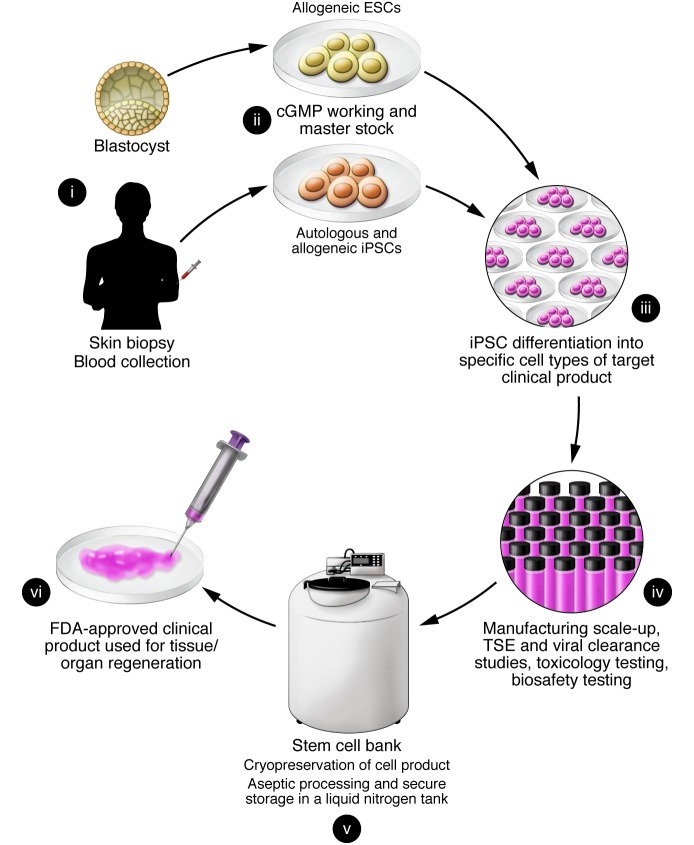
Figure 1. Flow chart of pluripotent stem cell banking.
Human PSCs are ideal candidates for developing cell therapies from either a tissue biopsy or blood collection (i). Allogeneic and autologous stem cell banking requires establishment and expansion of the starting pluripotent material (ii). Human ESCs and iPSCs are capable of differentiating into any adult cell type (iii). Therapeutically relevant cell products must undergo preclinical studies required by the FDA prior to an IND application (iv). TSE, transmissible spongiform encephalopathy. Cells must undergo processing prior to secure cryostorage (v). The cryopreserved products may either be used immediately or be held for future use as allografts in order to regenerate damaged organs (vi).

References

    1. Eming SA, Martin P, Tomic-Canic M. Wound repair and regeneration: Mechanisms, signaling, and translation. Sci Transl Med. 2014;6(265):265sr6. doi: 10.1126/scitranslmed.3009337. - DOI - PMC - PubMed
    1. Thomson JA, et al. Embryonic stem cell lines derived from human blastocysts. Science. 1998;282(5391):1145–1147. doi: 10.1126/science.282.5391.1145. - DOI - PubMed
    1. Hyun I. The bioethics of stem cell research and therapy. J Clin Invest. 2010;120(1):71–75. doi: 10.1172/JCI40435. - DOI - PMC - PubMed
    1. Zhan X, et al. Functional antigen-presenting leucocytes derived from human embryonic stem cells in vitro. Lancet. 2004;364(9429):163–171. doi: 10.1016/S0140-6736(04)16629-4. - DOI - PubMed
    1. Takahashi K, Yamanaka S. Induction of pluripotent stem cells from mouse embryonic and adult fibroblast cultures by defined factors. Cell. 2006;126(4):663–676. doi: 10.1016/j.cell.2006.07.024. - DOI - PubMed

Publication types

MeSH terms