. 2015 Jul 2;11(7):e1005020.
doi: 10.1371/journal.ppat.1005020. eCollection 2015 Jul.

Type VI Secretion System Transports Zn2+ to Combat Multiple Stresses and Host Immunity

Affiliations

Type VI Secretion System Transports Zn2+ to Combat Multiple Stresses and Host Immunity

Tietao Wang et al. PLoS Pathog. .

Abstract

Type VI secretion systems (T6SSs) are widespread multi-component machineries that translocate effectors into either eukaryotic or prokaryotic cells, for virulence or for interbacterial competition. Herein, we report that the T6SS-4 from Yersinia pseudotuberculosis displays an unexpected function in the transportation of Zn2+ to combat diverse stresses and host immunity. Environmental insults such as oxidative stress induce the expression of T6SS-4 via OxyR, the transcriptional factor that also regulates many oxidative response genes. Zinc transportation is achieved by T6SS-4-mediated translocation of a novel Zn2+-binding protein substrate YezP (YPK_3549), which has the capacity to rescue the sensitivity to oxidative stress exhibited by T6SS-4 mutants when added to extracellular milieu. Disruption of the classic zinc transporter ZnuABC together with T6SS-4 or yezP results in mutants that almost completely lost virulence against mice, further highlighting the importance of T6SS-4 in resistance to host immunity. These results assigned an unconventional role to T6SSs, which will lay the foundation for studying novel mechanisms of metal ion uptake by bacteria and the role of this process in their resistance to host immunity and survival in harmful environments.


Conflict of interest statement

The authors have declared that no competing interests exist.

Figures
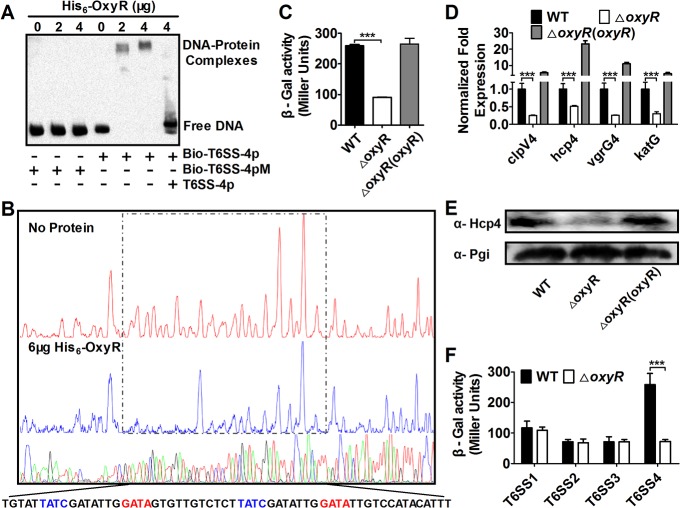
Fig 1
Fig 1. OxyR directly activates T6SS-4 expression.
A. OxyR binds the T6SS-4 promoter. Biotin-labeled probe or its mutant was incubated with OxyR. The protein-DNA complexes were detected by streptavidin-conjugated HRP and chemiluminescent substrate. Unlabeled promoter was added to determine the binding specificity of OxyR. Bio-T6SS-4p: biotin-labeled T6SS-4 promoter. Bio-T6SS-4pM: biotin-labeled T6SS-4 promoter mutant. B. Identification of the OxyR protected region in T6SS-4 promoter region. Complexes formed between FAM dye-labeled probes and His6-OxyR were subjected to DNase I digestion. DNA was sequenced and the 4 nucleotides marked in different colors were merged. The electropherograms were aligned using GeneScan-LIZ500. C-D. OxyR activates the expression of T6SS-4. β-galactosidase activity (C) or relative expression measured by quantitative RT-PCR in indicated bacterial strains was determined. Relative levels of transcripts were presented as the mean values ± SD calculated from three sets of independent experiments (D). E. The protein level of Hcp4 in relevant Yptb strains. Lysates from bacteria were resolved by SDS-PAGE, and Hcp4 was detected by immunoblotting. The metabolic protein phosphoglucose isomerase (Pgi) was probed as a loading control. F. OxyR does not activate T6SS1-3. β-galactosidase activity from chromosomal lacZ fusions in relevant Yptb was measured. Data shown were the average of three independent experiments; error bars indicate SD from three independent experiments. ***, p<0.001.
Fig 2
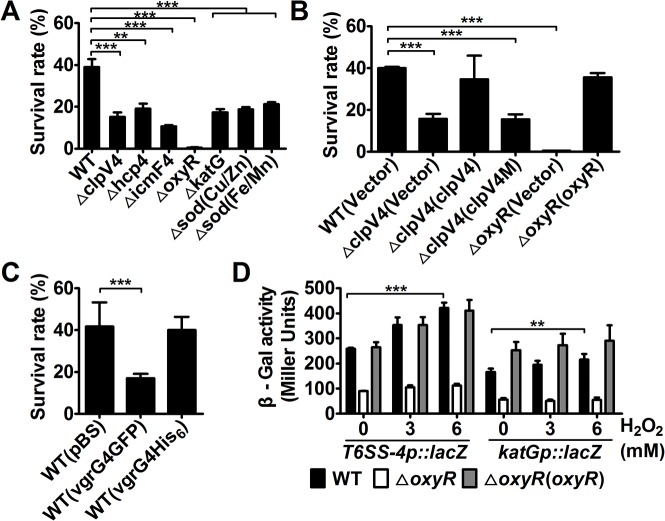
Fig 2. T6SS-4 is essential for Yptb survival under oxidative stress.
A-C. Indicated bacterial strains grown to mid-exponential phase were exposed to H2O2 for 1 hour and the viability of the cells was determined. Note that the clpV4M mutant defective in ATPase activity failed to complement the clpV4 mutant. D. Oxidative stress induced the expression of T6SS-4. Cells of relevant Yptb strains harboring P T6SS-4::lacZ or P katG::lacZ were treated with indicated amounts of H2O2 and the expression of the reporter was measured. Data shown were the average of three independent experiments; error bars indicate SD from three independent experiments. ***, p<0.001; **, p<0.01.
Fig 3
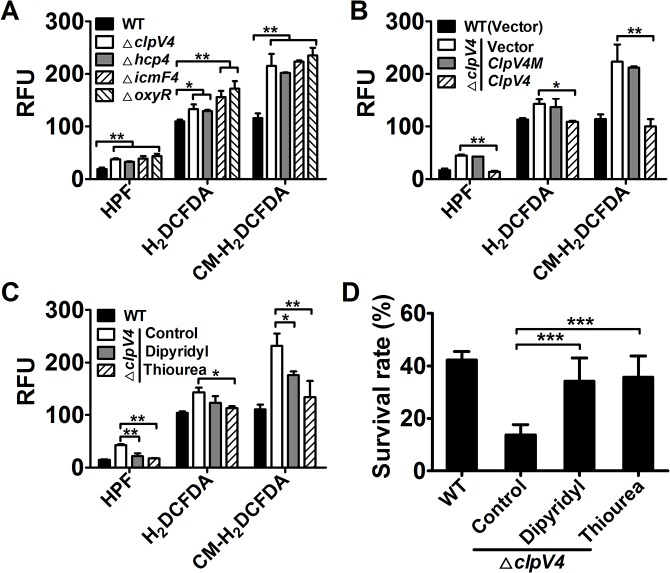
Fig 3. Deletion of T6SS-4 led to accumulation of intracellular ROS in Yptb under oxidative conditions.
A. Oxidative stress induced the generation of intracellular ROS in T6SS-4 mutants. Intracellular ROS in mid-exponential phase bacteria exposed to H2O2 were stained with HPF, CM-H2DCFDA, or H2DCFDA dye; fluorescence signals were measured using a SpectraMax M2 Plate Reader (Molecular Devices) with excitation/emission wavelengths of 490/515 nm (HPF), 495/520 nm (CM-H2DCFDA and H2DCFDA). B. A functional T6SS-4 is required to eliminate cellular ROS. Note the inability of the clpV4M defective in ATPase activity to complement the mutation. C. Reduction of cellular ROS in the mutants by 2,2′-dipyridyl or thiourea. The compound was added to the bacterial cells subjected to oxidative stress challenge and the levels of ROS were measured. D. ROS mitigation agents rescued the sensitivity of T6SS-4 mutants to H2O2. 1 mM 2,2′-dipyridyl or 150 mM thiourea was added to bacterial cells challenged by oxidative stress and their survival rates were determined. In each case, higher levels of cellular ROS were indicated by higher fluorescence intensity. Data shown were the average of three independent experiments; error bars indicate SD from three independent experiments. ***, p<0.001; **, p<0.01; *, p<0.05.
Fig 4
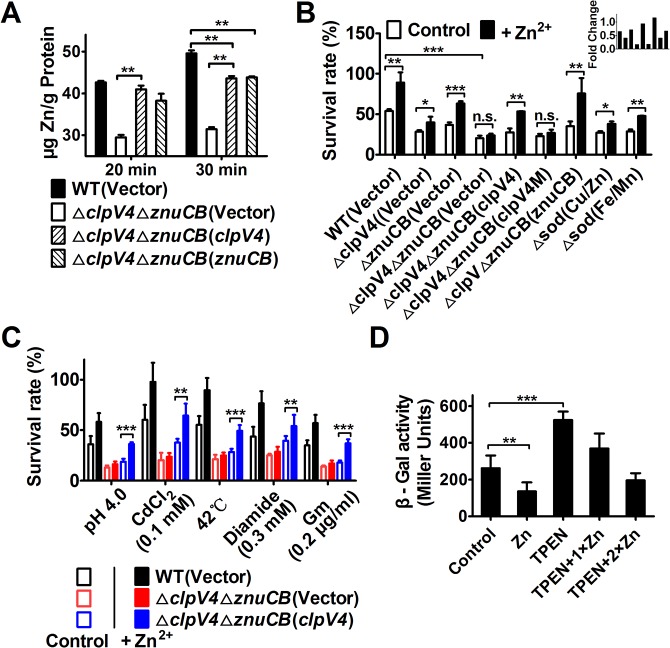
Fig 4. T6SS-4 is important for the accumulation of intracellular Zn2+ under oxidative stress conditions.
A. Zn2+ uptake by relevant Yptb strains. Mid-exponential phase of Yptb strains were exposed to 1.5 mM H2O2 for 20 or 30 min in PBS containing 1 μM ZnCl2. Zn2+ associated with bacterial cells was measured by inductively coupled plasmon resonance atomic absorption spectrometry (ICP-MS). B. The alleviation of the sensitivity of Yptb mutants to H2O2 by exogenous Zn2+ required T6SS-4. znuCB, the canonical Zn2+ transporter; note that clpV4M, a mutant of clpV4 defective in ATPase activity failed to complement the mutation. C. T6SS-4 is required for maximal bacterial survival in stress created by distinct agents. Mid-exponential phase bacteria were exposed to indicated agents or treatment for 1 hour (42°C for 30 min) and their survival was determined. D. T6SS-4 expression is induced by low zinc conditions. Cells of relevant Yptb strains harboring T6SS-4p::lacZ were grown in YLB medium with 100 μΜ Zn2+, 100 μΜ TPEN, 100 μΜ TPEN together with 100 μΜ Zn2+ (TPEN+1×Zn), or 100 μΜ TPEN together with 200 μΜ Zn2+ (TPEN+2×Zn), and the expression of the reporter was measured. Data shown were the average of three independent experiments; error bars indicate SD from three independent experiments. ***, p<0.001; **, p<0.01; *, p<0.05; n.s., not significant.
Fig 5
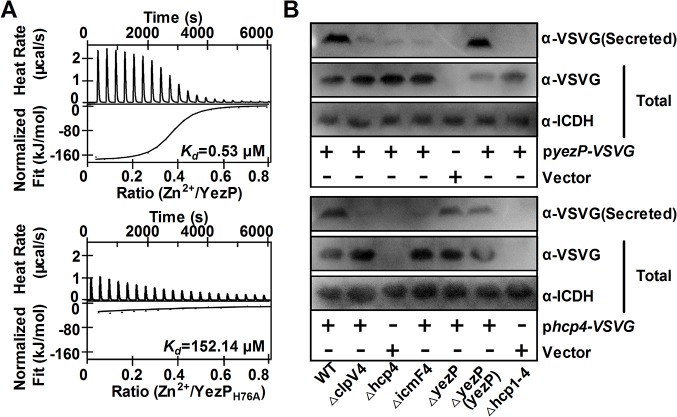
Fig 5. T6SS-4 translocates a Zn2+-binding protein.
A. The binding of zinc ions by YezP. Zn2+-free YezP (upper) or YezPH76A (lower) was used to evaluate zinc-binding activity by isothermal titration calorimetry (ITC). Data were analyzed with the NanoAnalyze software (TA Instruments). B. YezP is a secretion substrate of T6SS-4. Proteins in culture supernatant of relevant Yptb strains expressing YezP-VSVG were probed for VSVG (upper) or Hcp4-VSVG (lower) by immunoblotting. For the pellet fraction, the isocitrate dehydrogenase (ICDH) was detected as loading controls. Similar results were obtained in three independent experiments, and data shown are from one representative experiment done in triplicate.
Fig 6
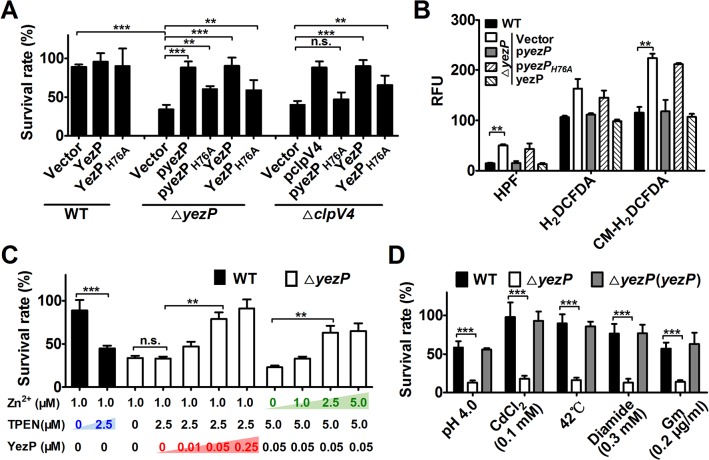
Fig 6. The activity of YezP in Yptb resistance to stresses.
A. The rescue of the yezP mutant or a T6SS-4 mutant by recombinant YezP. 0.05 μM recombinant YezP or YezPH76A was added to bacterial survival experiments before viability assessment. Mutants complemented with the corresponding gene were used as controls. Note the partial activity of YezPH76A. B. Deletion of yezP led to accumulation of intracellular ROS. Analysis of the mutants was performed as described in Fig 3 with the indicated fluorescence dyes. C. Recombinant YezP rescued the inhibition effects of a zinc chelator. TPEN and the indicated amounts of YezP or Zn2+ were incubated with bacterial cells prior to survival determination. D. yezP is required for the resistance to distinct cellular insults by Yptb. Bacteria were subjected to treatment with the indicated agents or conditions before determining bacterial survival rates. Gm, gentamicin. Data shown were the average of three independent experiments; error bars indicate SD from three independent experiments. ***, p<0.001; **, p<0.01; n.s., not significant.
Fig 7
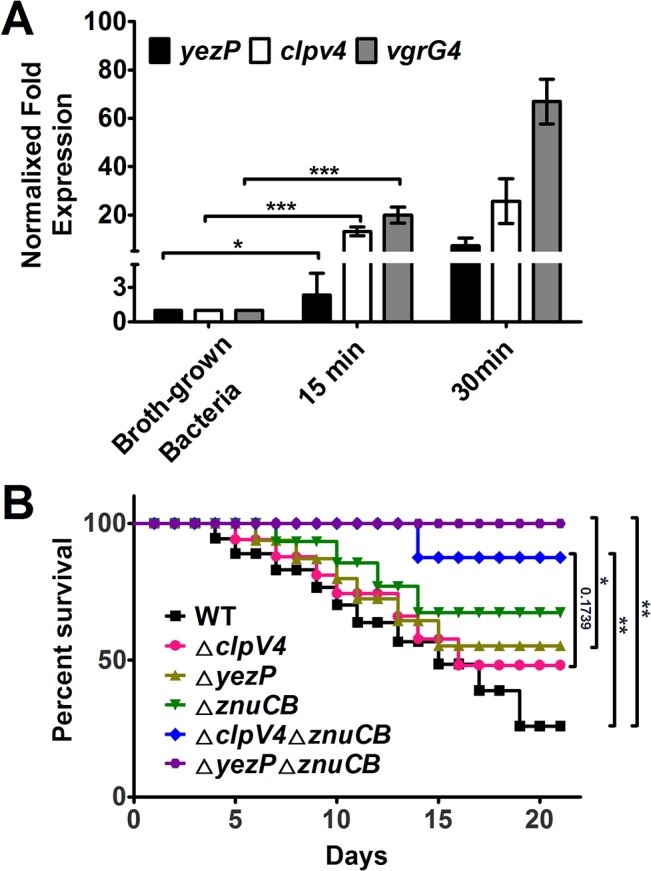
Fig 7. The expression of T6SS-4 is induced in macrophages and Yptb mutants lacking T6SS-4 or its substrate YezP are defective in virulence against mice.
A. The expression of yezP and T6SS-4 is induced in macrophages. Wild-type Yptb was used to infect bone marrow-derived macrophages at an MOI of 10 for 15 or 30 min, and the expression of yezP, clpV4 and vgrG4 was measured by qRT-PCR. Bacteria grown in YLB were used as controls. Data shown were the average of three independent experiments; error bars indicate SD from three independent experiments. ***, p<0.001; *, p<0.05. Statistic analyses were performed by Student’s t-test. B. Bacterial strains grown in YLB were washed twice in sterilized PBS and used for orogastric infection of 6–8 weeks old female C57BL/6 mice using a ball-tipped feeding needle. For survival assays 3×10⁹ bacteria of each strain were applied to different groups of mice (n = 10/strain), and the survival rate of the mice was determined by monitoring the survival daily for 3 weeks. Similar results were obtained in three independent experiments, and data shown are from one representative experiment done in triplicate. **, p<0.01; *, p<0.05. Statistic analyses were performed by Log-Rank test.
Fig 8
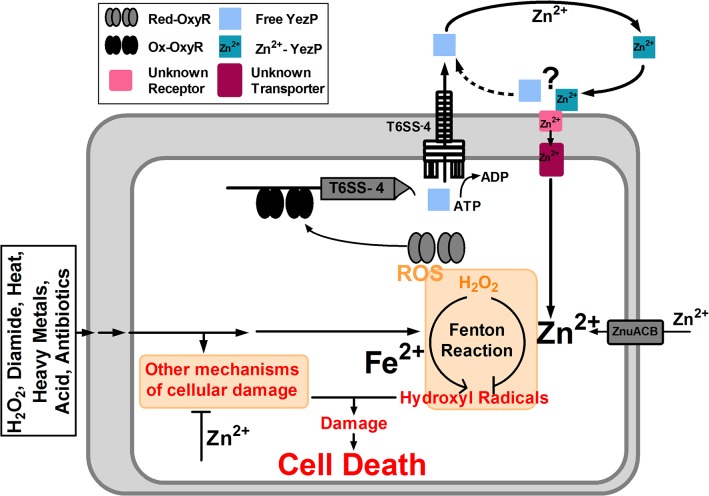
Fig 8. Model of T6SS-4-facilitated Zn2+ transportation and oxidative resistance in Yptb.
OxyR activated by oxidative signals binds to the operator in the promoter of T6SS-4 to activate the expression of the system and its substrate YezP, leading to the production and assembly of the system, which translocates YezP into the extracellular milieu. YezP form a complex with Zn2+ to deliver the ions into the cell via a yet unknown mechanism. Intracellular Zn2+ mitigates the hydroxyl radicals or potentially other cell damaging processes to make the cells resistant to diverse environmental challenges.

References

    1. Bingle LE, Bailey CM, Pallen MJ (2008) Type VI secretion: a beginner's guide. Curr Opin Microbiol 11: 3–8. 10.1016/j.mib.2008.01.006 - DOI - PubMed
    1. Russell AB, Peterson SB, Mougous JD (2014) Type VI secretion system effectors: poisons with a purpose. Nat Rev Microbiol 12: 137–148. 10.1038/nrmicro3185 - DOI - PMC - PubMed
    1. Boyer F, Fichant G, Berthod J, Vandenbrouck Y, Attree I (2009) Dissecting the bacterial type VI secretion system by a genome wide in silico analysis: what can be learned from available microbial genomic resources? BMC Genomics 10: 104 10.1186/1471-2164-10-104 - DOI - PMC - PubMed
    1. Pukatzki S, Ma AT, Revel AT, Sturtevant D, Mekalanos JJ (2007) Type VI secretion system translocates a phage tail spike-like protein into target cells where it cross-links actin. Proc Natl Acad Sci U S A 104: 15508–15513. - PMC - PubMed
    1. Chow J, Mazmanian SK (2010) A pathobiont of the microbiota balances host colonization and intestinal inflammation. Cell Host Microbe 7: 265–276. 10.1016/j.chom.2010.03.004 - DOI - PMC - PubMed

Publication types

MeSH terms

LinkOut - more resources