


A Clinical Process Change and Educational Intervention to Reduce the Use of Unnecessary Preoperative Tests
- PMID: 26140127
- PMCID: PMC4477571
- DOI: 10.4300/JGME-D-14-00211.1
A Clinical Process Change and Educational Intervention to Reduce the Use of Unnecessary Preoperative Tests
Abstract
Background: Internal medicine residents receive limited training on how to be good stewards of health care dollars while preserving high-quality care.
Intervention: We implemented a clinical process change and an educational intervention focused on the appropriate use of preoperative diagnostic testing by residents at a Veterans Administration (VA) medical center.
Methods: The clinical process change consisted of reducing routine ordering of preoperative tests in the absence of specific indications. Residents received a short didactic session, which included algorithms for determining the appropriate use of perioperative diagnostic testing. One outcome was the average cost savings on preoperative testing for a continuous cohort of patients referred for elective knee or hip surgery. Resident knowledge and confidence prior to and after the intervention was measured by pre- and posttest.
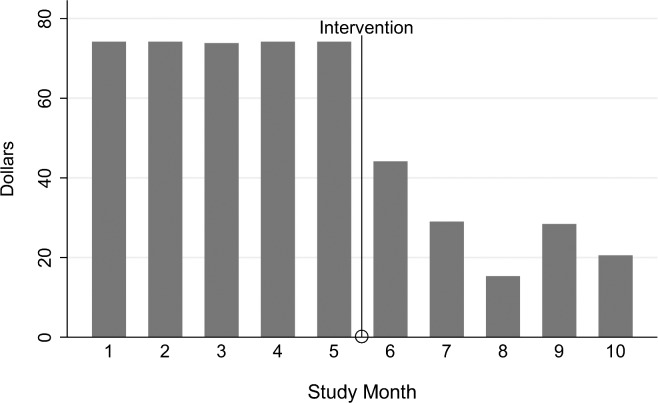
Results: The mean cost of preoperative testing decreased from $74 to $28 per patient after the dual intervention (P < .001). The bulk of cost savings came from elimination of unnecessary blood and urine tests, as well as reduced numbers of electrocardiograms and chest radiographs. Among residents who completed the pretest and posttest, the mean score on the pretest was 54%, compared with 80% on the posttest (P = .027). Following the educational intervention, 70% of residents stated they felt "very comfortable" ordering appropriate preoperative testing (P = .006).
Conclusions: This initiative required few resources, and it simultaneously improved the educational experience for residents and reduced costs. Other institutions may be able to adopt or adapt this intervention to reduce unnecessary diagnostic expenditures.
Figures
References
-
- Owens DK, Qaseem A, Chou R, Shekelle P Clinical Guidelines Committee of the American College of Physicians. High-value, cost-conscious health care: concepts for clinicians to evaluate the benefits, harms, and costs of medical interventions. Ann Intern Med. 2011;154(3):174–180. - PubMed
-
- Smith CD Alliance for Academic Internal Medicine–American College of Physicians High Value; Cost-Conscious Care Curriculum Development Committee. Teaching high-value, cost-conscious care to residents: the Alliance for Academic Internal Medicine-American College of Physicians Curriculum. Ann Intern Med. 2012;157(4):284–286. - PubMed
-
- Yong PL, Olsen L. Roundtable on Evidence-Based Medicine, Institute of Medicine—The Healthcare Imperative: Lowering Costs and Improving Outcomes. Washington, DC: National Academies Press; 2010. - PubMed
-
- Sager A, Socolar D. Health Costs Absorb One-Quarter of Economic Growth, 2000–2005. Boston, MA: Boston University School of Public Health; 2005. Data Brief No. 8 of the Health Reform Program.
-
- Accreditation Council for Graduate Medical Education. Medical specialties. http://www.acgme.org/acgmeweb/tabid/368/ProgramandInstitutionalAccredita.... Accessed September 3, 2014.
LinkOut - more resources
Full Text Sources
Other Literature Sources
