


Epidemiology of Neonatal Sepsis and Implicated Pathogens: A Study from Egypt
- PMID: 26146621
- PMCID: PMC4471255
- DOI: 10.1155/2015/509484
Epidemiology of Neonatal Sepsis and Implicated Pathogens: A Study from Egypt
Abstract
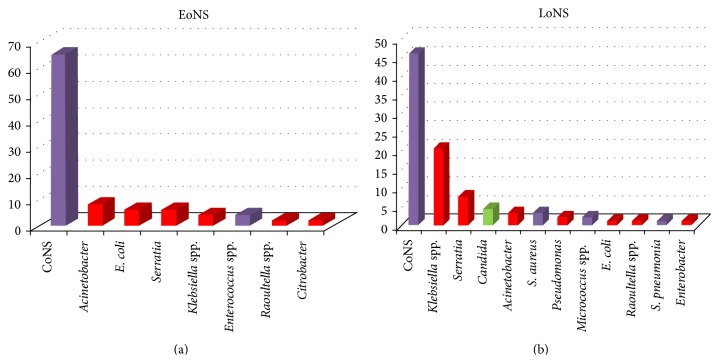
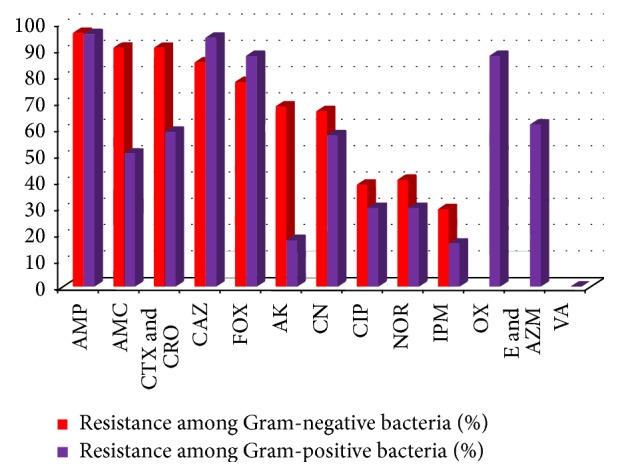
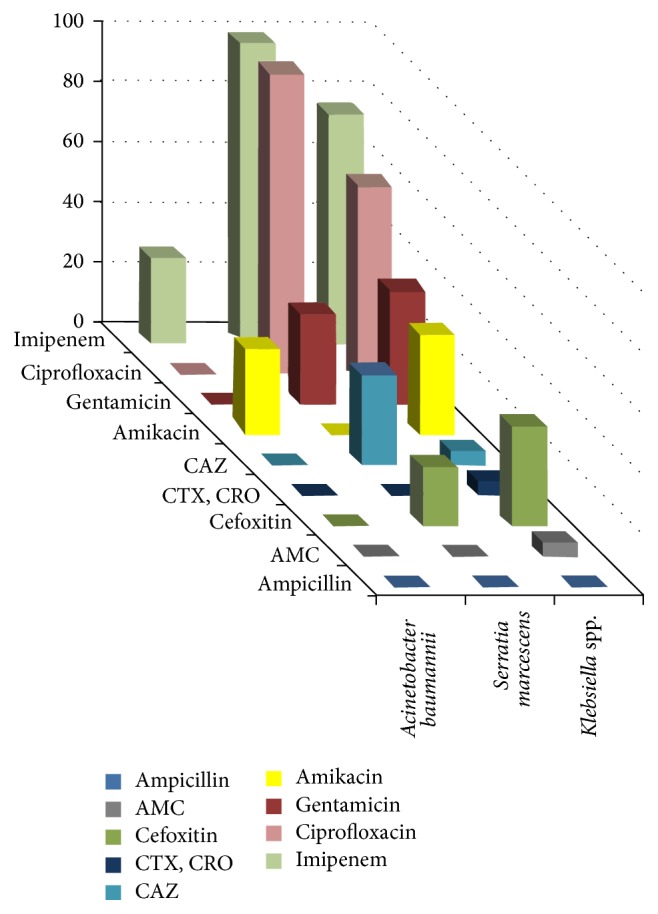
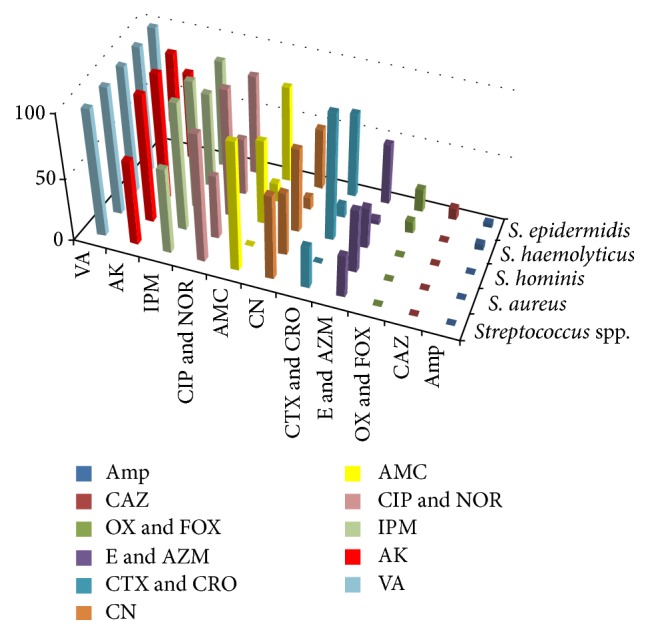
Prospective analytic study was conducted in NICUs of three Egyptian Neonatal Network (EGNN) participants in Mansoura Hospitals in Egypt over a period of 18 months from March 2011 to August 2012. By using EGNN 28-day discharge form, all demographic, clinical, and laboratory data were recorded and studied. During the study period, 357 neonates were diagnosed as suspected sepsis with an incidence of 45.9% (357/778) among the admitted neonates at the three neonatal intensive care units. 344 neonates (sex ratio = 1.3:1) were enrolled in the study in which 152 (44.2%) were classified as early onset sepsis EOS (≤72 hr) and 192 (55.8%) as late onset sepsis LOS (>72 hr). Among the LOS cases, 33.9% (65/192) were caused by nosocomial infections. In 40.7% (140/344), sepsis was confirmed by positive blood culture. The total mortality rate for the proven neonatal sepsis was 51% (25/49) and 42.9% (39/91) for EOS and LOS, respectively. Coagulase negative staphylococci were predominant isolates in both EOS and LOS, followed by Klebsiella pneumoniae. Most of the bacterial isolates had low sensitivity to the commonly used empiric antibiotics. However, 70.1% (89/127) exhibited multidrug resistance. Best sensitivities among Gram-positive isolates were found against imipenem, ciprofloxacin, vancomycin, and amikacin.
Figures
References
-
- UNICEF. Levels and Trends in Child Mortality. New York, NY, USA: UNICEF; 2011.
MeSH terms
Substances
LinkOut - more resources
Full Text Sources
Other Literature Sources
Medical
