


Transcriptome and Molecular Pathway Analysis of the Hepatopancreas in the Pacific White Shrimp Litopenaeus vannamei under Chronic Low-Salinity Stress
- PMID: 26147449
- PMCID: PMC4492601
- DOI: 10.1371/journal.pone.0131503
Transcriptome and Molecular Pathway Analysis of the Hepatopancreas in the Pacific White Shrimp Litopenaeus vannamei under Chronic Low-Salinity Stress
Abstract
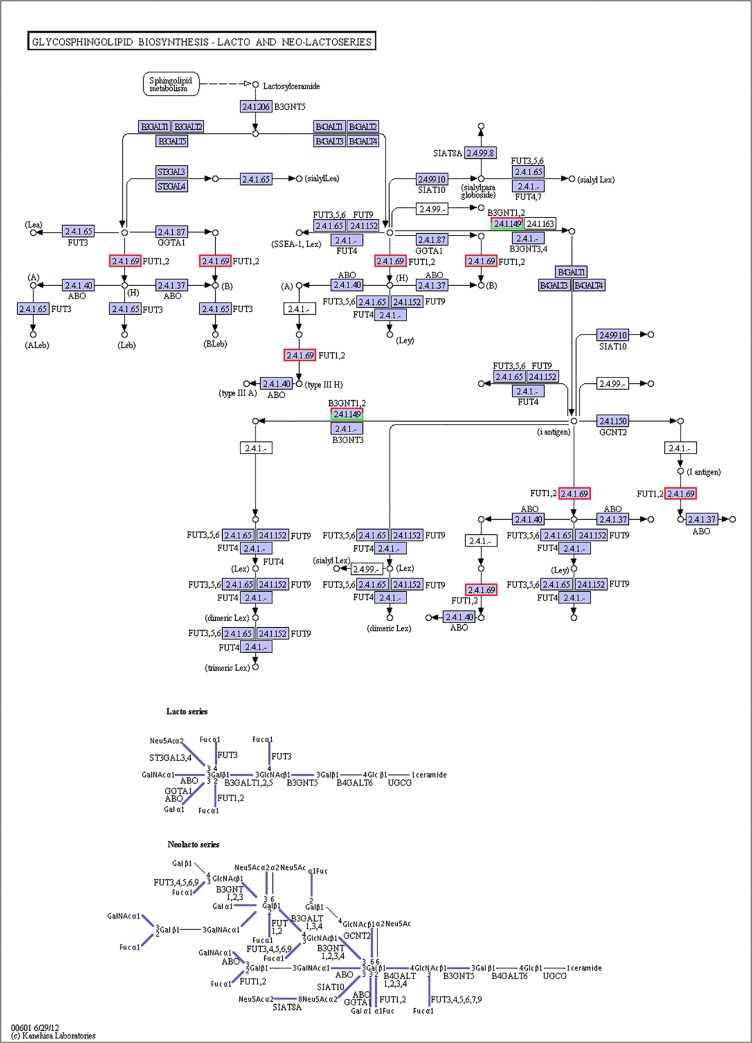
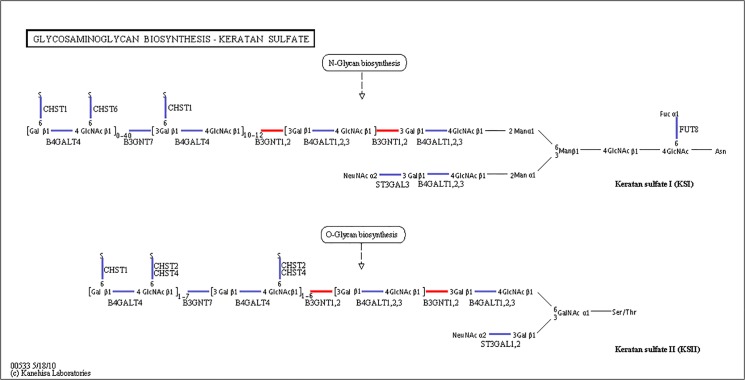
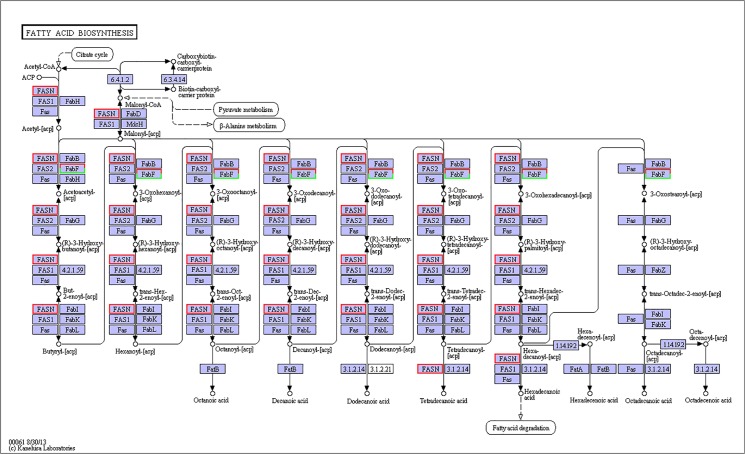
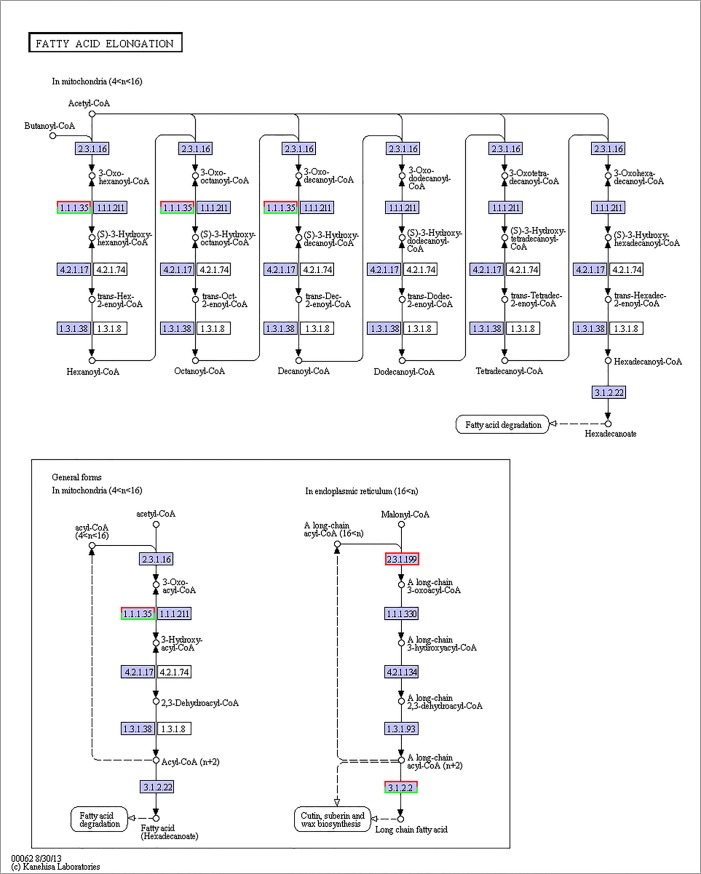
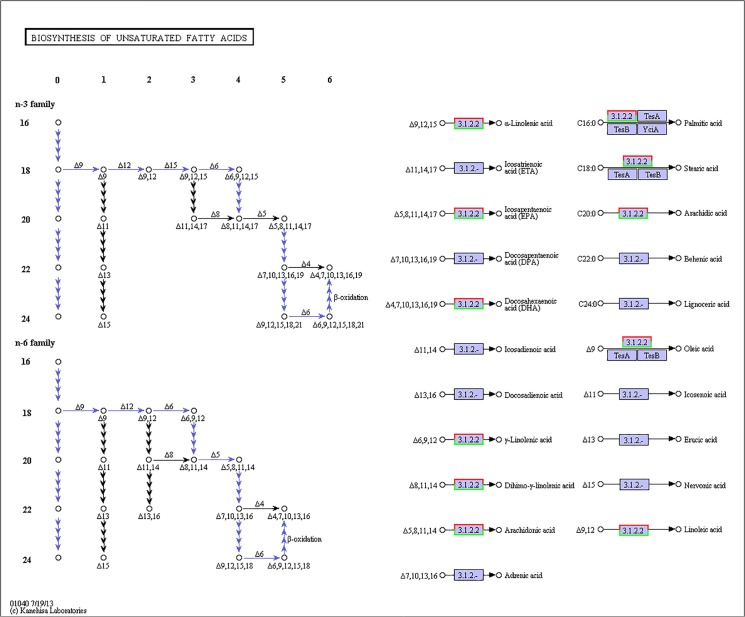
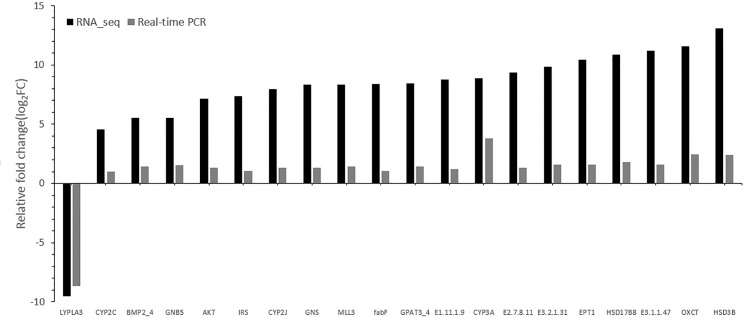
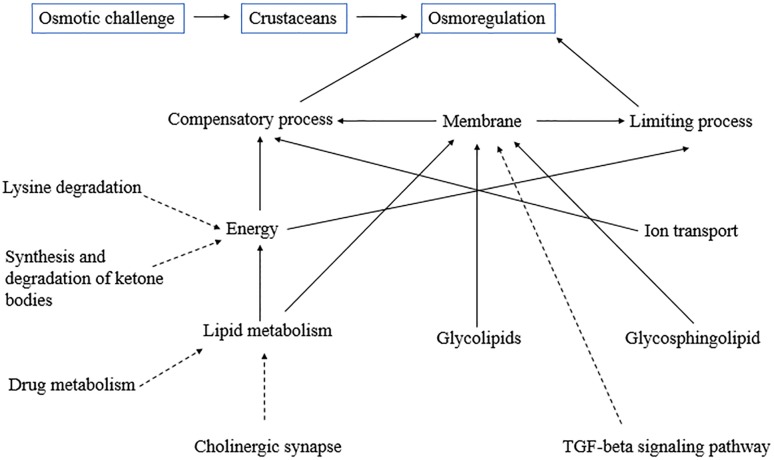
The Pacific white shrimp Litopenaeus vannamei is a euryhaline penaeid species that shows ontogenetic adaptations to salinity, with its larvae inhabiting oceanic environments and postlarvae and juveniles inhabiting estuaries and lagoons. Ontogenetic adaptations to salinity manifest in L. vannamei through strong hyper-osmoregulatory and hypo-osmoregulatory patterns and an ability to tolerate extremely low salinity levels. To understand this adaptive mechanism to salinity stress, RNA-seq was used to compare the transcriptomic response of L. vannamei to changes in salinity from 30 (control) to 3 practical salinity units (psu) for 8 weeks. In total, 26,034 genes were obtained from the hepatopancreas tissue of L. vannamei using the Illumina HiSeq 2000 system, and 855 genes showed significant changes in expression under salinity stress. Eighteen top Kyoto Encyclopedia of Genes and Genomes (KEGG) pathways were significantly involved in physiological responses, particularly in lipid metabolism, including fatty-acid biosynthesis, arachidonic acid metabolism and glycosphingolipid and glycosaminoglycan metabolism. Lipids or fatty acids can reduce osmotic stress in L. vannamei by providing additional energy or changing the membrane structure to allow osmoregulation in relevant organs, such as the gills. Steroid hormone biosynthesis and the phosphonate and phosphinate metabolism pathways were also involved in the adaptation of L. vannamei to low salinity, and the differential expression patterns of 20 randomly selected genes were validated by quantitative real-time PCR (qPCR). This study is the first report on the long-term adaptive transcriptomic response of L. vannamei to low salinity, and the results will further our understanding of the mechanisms underlying osmoregulation in euryhaline crustaceans.
Conflict of interest statement
Figures
References
-
- Charmantier G, Charmantier-Daures M (2001) Ontogeny of osmoregulation in crustaceans: the embryonic phase. American Zoologist 41: 1078–1089.
-
- Charmantier G, Charmantier-Daures M, Towle D (2009) Osmotic and ionic regulation in aquatic arthropods Osmotic and Ionic Regulation Cells and Animals CRC press, Boca Raton, FL, New York, NY, Oxford, UK: 165–230.
-
- Romano N, Zeng CS (2012) Osmoregulation in decapod crustaceans: implications to aquaculture productivity, methods for potential improvement and interactions with elevated ammonia exposure. Aquaculture 334: 12–23.
-
- Pequeux A (1995) Osmotic regulation in crustaceans. Journal of Crustacean Biology: 1–60.
-
- Davis DA, Saoud IP, McGraw WJ, Rouse DB (2002) Considerations for Litopenaeus vannamei reared in inland low salinity waters. Avances en Nutrición Acuícola VI Memorias del VI Simposium Internacional de Nutrición Acuícola 3.
Publication types
MeSH terms
LinkOut - more resources
Full Text Sources
Other Literature Sources
