


Polyphosphate as modulator of hemostasis, thrombosis, and inflammation
- PMID: 26149055
- PMCID: PMC4497372
- DOI: 10.1111/jth.12896
Polyphosphate as modulator of hemostasis, thrombosis, and inflammation
Abstract
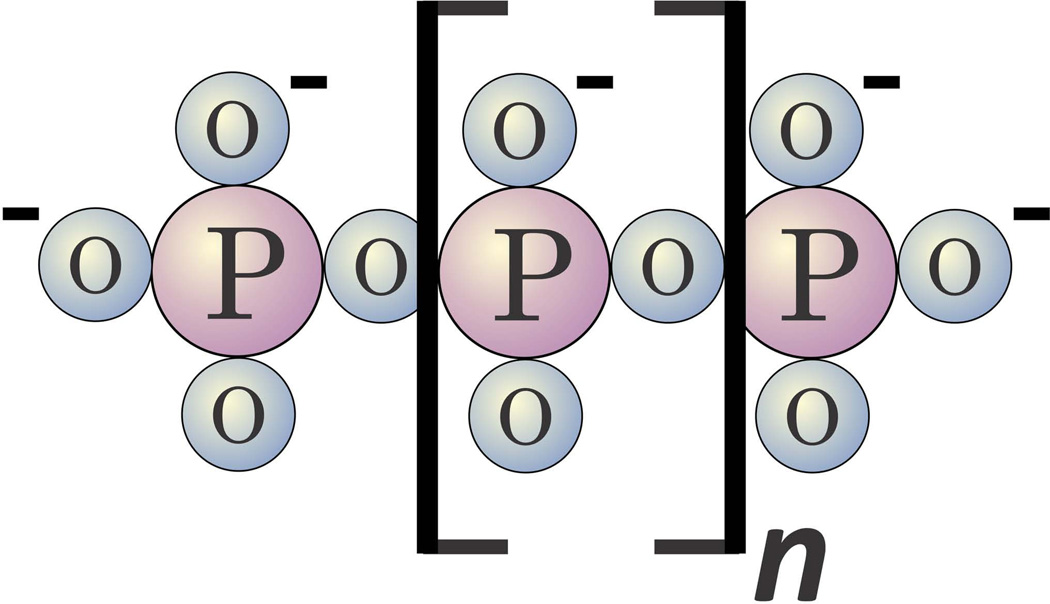
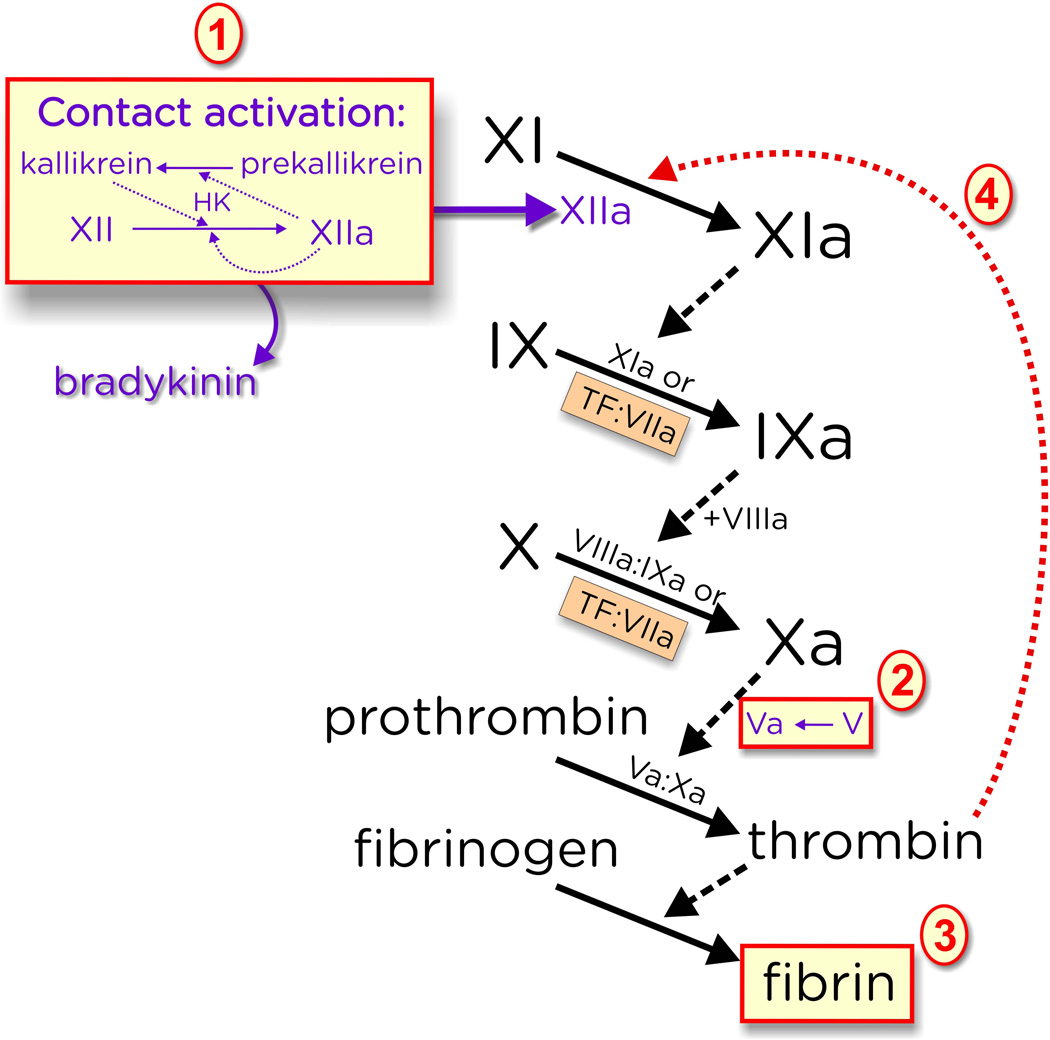
Inorganic polyphosphate (polyP), a linear polymer of phosphates, is present in many infectious microorganisms and is secreted by mast cells and platelets. PolyP has recently been shown to accelerate blood clotting and slow fibrinolysis, in a manner that is highly dependent on polymer length. Very long-chain polyP (of the type present in microorganisms) is an especially potent trigger of the contact pathway, enhances the proinflammatory activity of histones, and may participate in host responses to pathogens. PolyP also inhibits complement, providing another link between polyP and inflammation/innate immunity. Platelet-size polyP (which is considerably shorter) accelerates factor V activation, opposes the anticoagulant action of tissue factor pathway inhibitor, modulates fibrin clot structure, and promotes factor XI activation. PolyP may have utility in treating bleeding. It is also a potential target for the development of antithrombotic drugs with a novel mechanism of action and potentially fewer bleeding side effects compared with conventional anticoagulants.
Keywords: blood coagulation; coagulation factor XI; inflammation; kallikrein‐kinin system; platelets; polyphosphates.
© 2015 International Society on Thrombosis and Haemostasis.
Conflict of interest statement
J. H. Morrissey and S. A. Smith report grants from National Institutes of Health, during the conduct of the study. Both authors have patent applications on medical uses of polyphosphate and polyphosphate inhibitors pending. J. H. Morrissey reports personal fees from rEVO Biologics, Biogen Idec and other from KeraFAST, outside the submitted work.
Figures
References
-
- Kornberg A, Rao NN, Ault-Riché D. Inorganic polyphosphate: a molecule of many functions. Annu Rev Biochem. 1999;68:89–125. - PubMed
Publication types
MeSH terms
Substances
Grants and funding
LinkOut - more resources
Full Text Sources
Other Literature Sources
Medical
