Intrapleural tissue plasminogen activator and deoxyribonuclease therapy for pleural infection
- PMID: 26150913
- PMCID: PMC4466425
- DOI: 10.3978/j.issn.2072-1439.2015.01.30
Intrapleural tissue plasminogen activator and deoxyribonuclease therapy for pleural infection
Abstract
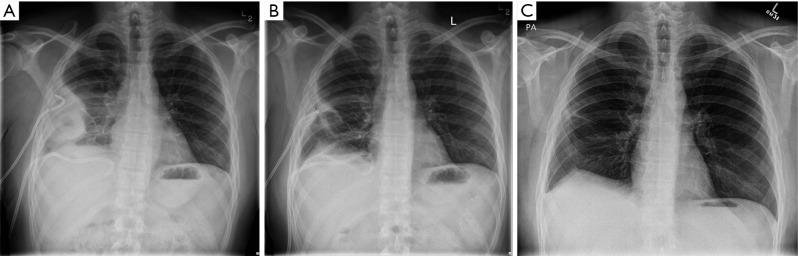
Pleural infection remains a global health burden associated with significant morbidity. Drainage of the infected pleural fluid is important but can often be hindered by septations and loculations. Intrapleural fibrinolytic therapy alone, to break pleural adhesions, has shown no convincing advantages over placebo in improving clinical outcome. Deoxyribonucleoprotein from degradation of leukocytes contributes significantly to high viscosity of infected pleural fluid. Recombinant deoxyribonuclease (DNase) is effective in reducing pleural fluid viscosity in pre-clinical studies. The combination of tissue plasminogen activator (tPA) and DNase was effective in animal model experiments of empyema. The benefits were established in a randomized clinical trial: those (n=48) treated with tPA/DNase had significantly improved radiological outcomes and reduced need of surgery and duration of hospital stay. A longitudinal observational series of 107 patients further confirmed the effectiveness and safety of tPA/DNase therapy, including its use as 'rescue therapy' when patients failed to respond to antibiotics and chest tube drainage. Overall, a short course of intrapleural tPA (10 mg) and DNase (5 mg) therapy provides a cure in over 90% of patients without requiring surgery. The treatment stimulates pleural fluid formation, enhances radiographic clearance and resolution of systemic inflammation. Serious complications are uncommon; pleural bleeding requiring transfusion occurred in ~2% of cases. Pain can occur, especially with the first dose. Treatment is contraindicated in those with significant bleeding diathesis or a bronchopleural fistula. Future research is required to optimize dosing regimens and in refining patient selection.
Keywords: Deoxyribonuclease (DNase); empyema; fibrinolytics; pleural infection; tissue plasminogen activator (tPA).
Figures
References
-
- Davies HE, Davies RJ, Davies CW, et al. Management of pleural infection in adults: British Thoracic Society Pleural Disease Guideline 2010. Thorax 2010;65 Suppl 2:ii41-53. - PubMed
-
- Farjah F, Symons RG, Krishnadasan B, et al. Management of pleural space infections: a population-based analysis. J Thorac Cardiovasc Surg 2007;133:346-51. - PubMed
-
- Shen HN, Lu CL, Li CY. Epidemiology of pleural infections in Taiwan from 1997 through 2008. Respirology 2012;17:1086-93. - PubMed
Publication types
LinkOut - more resources
Full Text Sources
Other Literature Sources