


δ-Conotoxin SuVIA suggests an evolutionary link between ancestral predator defence and the origin of fish-hunting behaviour in carnivorous cone snails
- PMID: 26156767
- PMCID: PMC4528551
- DOI: 10.1098/rspb.2015.0817
δ-Conotoxin SuVIA suggests an evolutionary link between ancestral predator defence and the origin of fish-hunting behaviour in carnivorous cone snails
Abstract
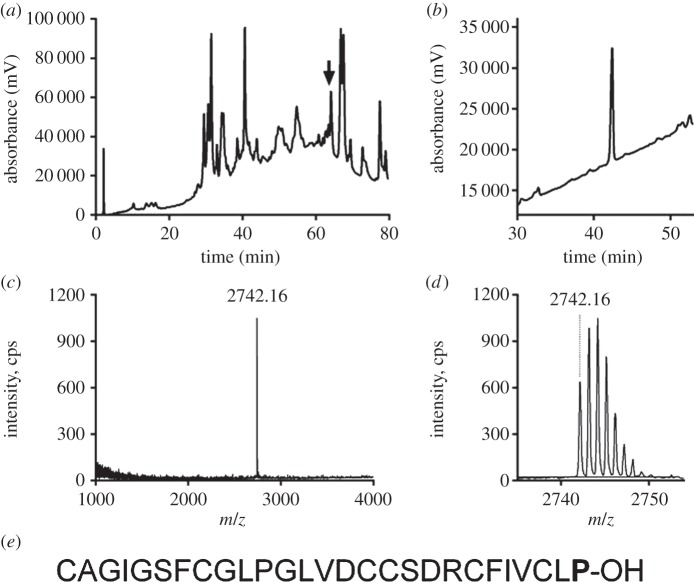
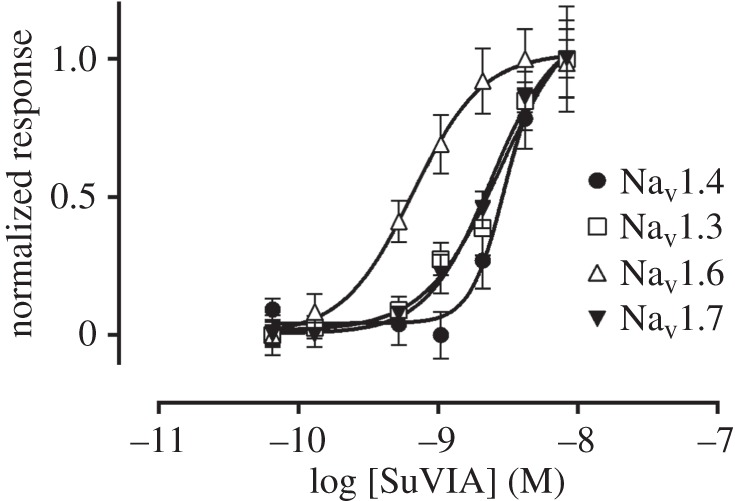
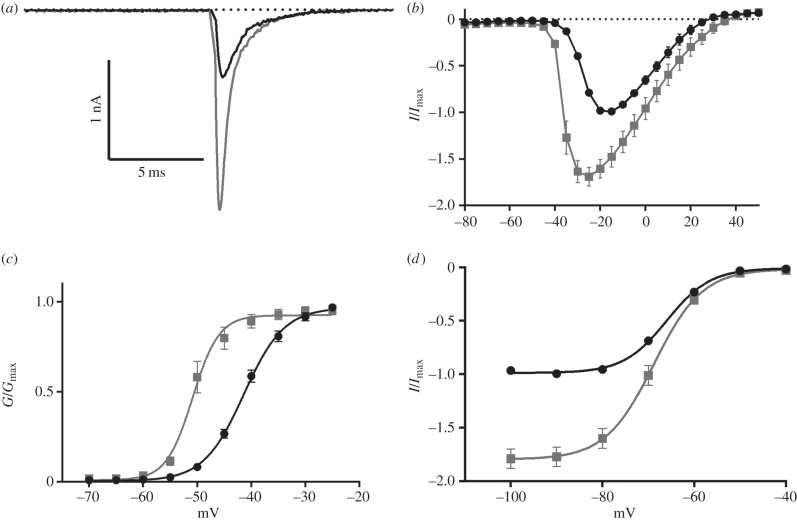
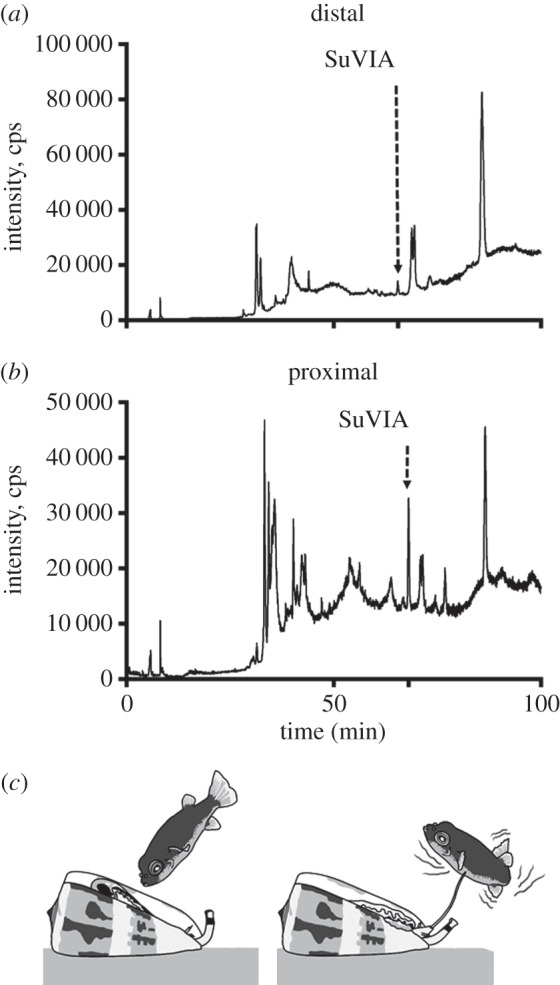
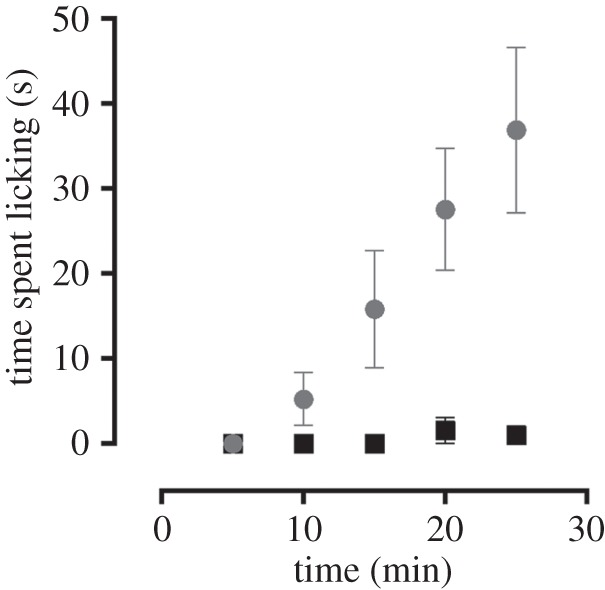
Some venomous cone snails feed on small fishes using an immobilizing combination of synergistic venom peptides that target Kv and Nav channels. As part of this envenomation strategy, δ-conotoxins are potent ichtyotoxins that enhance Nav channel function. δ-Conotoxins belong to an ancient and widely distributed gene superfamily, but any evolutionary link from ancestral worm-eating cone snails to modern piscivorous species has not been elucidated. Here, we report the discovery of SuVIA, a potent vertebrate-active δ-conotoxin characterized from a vermivorous cone snail (Conus suturatus). SuVIA is equipotent at hNaV1.3, hNaV1.4 and hNaV1.6 with EC50s in the low nanomolar range. SuVIA also increased peak hNaV1.7 current by approximately 75% and shifted the voltage-dependence of activation to more hyperpolarized potentials from -15 mV to -25 mV, with little effect on the voltage-dependence of inactivation. Interestingly, the proximal venom gland expression and pain-inducing effect of SuVIA in mammals suggest that δ-conotoxins in vermivorous cone snails play a defensive role against higher order vertebrates. We propose that δ-conotoxins originally evolved in ancestral vermivorous cones to defend against larger predators including fishes have been repurposed to facilitate a shift to piscivorous behaviour, suggesting an unexpected underlying mechanism for this remarkable evolutionary transition.
Keywords: conotoxin; defence; molecular evolution; predation; venom.
© 2015 The Author(s) Published by the Royal Society. All rights reserved.
Figures
References
-
- Imperial J, et al. 2007. Using chemistry to reconstruct evolution: on the origins of fish-hunting in venomous cone snails. Proc. Am. Phil. Soc. 151, 185–200.
Publication types
MeSH terms
Substances
LinkOut - more resources
Full Text Sources
Other Literature Sources
Medical
Research Materials
