


Recent developments in the pathophysiology of irritable bowel syndrome
- PMID: 26167065
- PMCID: PMC4491952
- DOI: 10.3748/wjg.v21.i25.7621
Recent developments in the pathophysiology of irritable bowel syndrome
Abstract
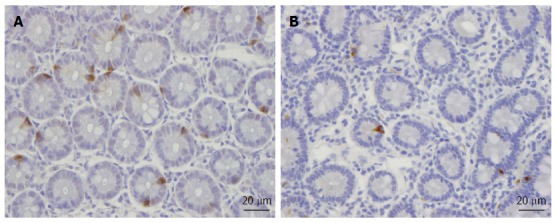
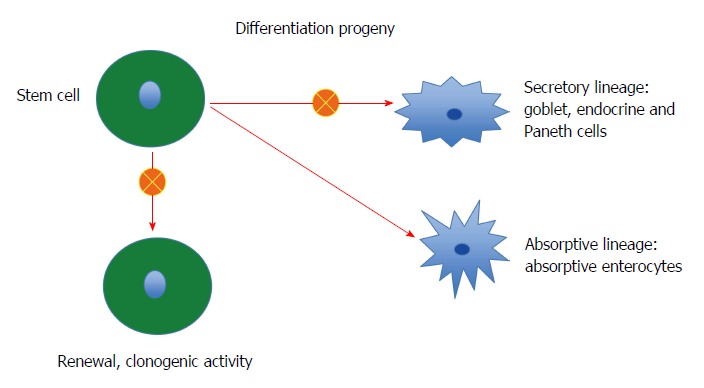
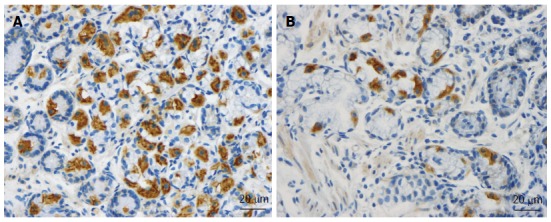
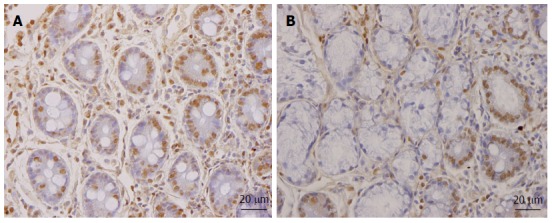
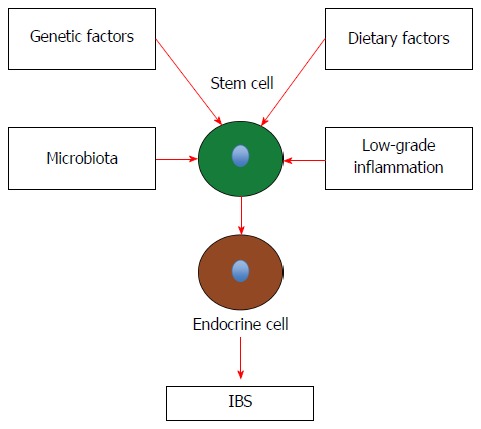
Irritable bowel syndrome (IBS) is a common gastrointestinal disorder, the pathophysiology of which is not completely known, although it has been shown that genetic/social learning factors, diet, intestinal microbiota, intestinal low-grade inflammation, and abnormal gastrointestinal endocrine cells play a major role. Studies of familial aggregation and on twins have confirmed the heritability of IBS. However, the proposed IBS risk genes are thus far nonvalidated hits rather than true predisposing factors. There is no convincing evidence that IBS patients suffer from food allergy/intolerance, with the effect exerted by diet seemingly caused by intake of poorly absorbed carbohydrates and fiber. Obesity is a possible comorbidity of IBS. Differences in the microbiota between IBS patients and healthy controls have been reported, but the association between IBS symptoms and specific bacterial species is uncertain. Low-grade inflammation appears to play a role in the pathophysiology of a major subset of IBS, namely postinfectious IBS. The density of intestinal endocrine cells is reduced in patients with IBS, possibly as a result of genetic factors, diet, intestinal microbiota, and low-grade inflammation interfering with the regulatory signals controlling the intestinal stem-cell clonogenic and differentiation activities. Furthermore, there is speculation that this decreased number of endocrine cells is responsible for the visceral hypersensitivity, disturbed gastrointestinal motility, and abnormal gut secretion seen in IBS patients.
Keywords: Diet; Endocrine cells; Genetic factors; Low-grade inflammation; Microbiota; Stem cells.
Figures
References
-
- Drossman DA, Camilleri M, Mayer EA, Whitehead WE. AGA technical review on irritable bowel syndrome. Gastroenterology. 2002;123:2108–2131. - PubMed
-
- Rey E, Talley NJ. Irritable bowel syndrome: novel views on the epidemiology and potential risk factors. Dig Liver Dis. 2009;41:772–780. - PubMed
-
- Dean BB, Aguilar D, Barghout V, Kahler KH, Frech F, Groves D, Ofman JJ. Impairment in work productivity and health-related quality of life in patients with IBS. Am J Manag Care. 2005;11:S17–S26. - PubMed
-
- DiBonaventura M, Sun SX, Bolge SC, Wagner JS, Mody R. Health-related quality of life, work productivity and health care resource use associated with constipation predominant irritable bowel syndrome. Curr Med Res Opin. 2011;27:2213–2222. - PubMed
Publication types
MeSH terms
Substances
LinkOut - more resources
Full Text Sources
Other Literature Sources
