


Potential for using a hermetically-sealed, positive-pressured isocage system for studies involving germ-free mice outside a flexible-film isolator
- PMID: 26177210
- PMCID: PMC4615381
- DOI: 10.1080/19490976.2015.1064576
Potential for using a hermetically-sealed, positive-pressured isocage system for studies involving germ-free mice outside a flexible-film isolator
Abstract
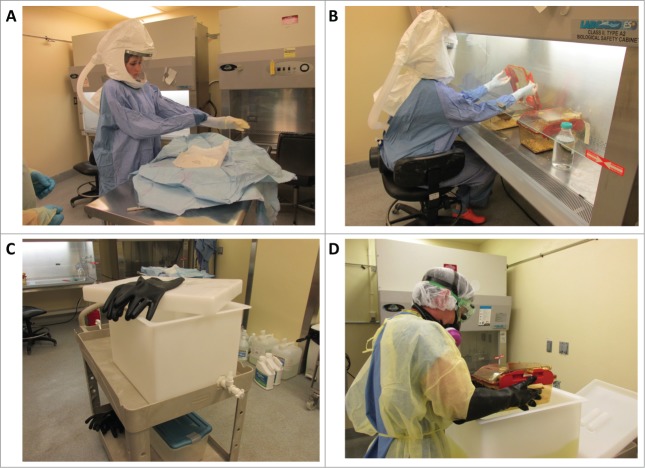
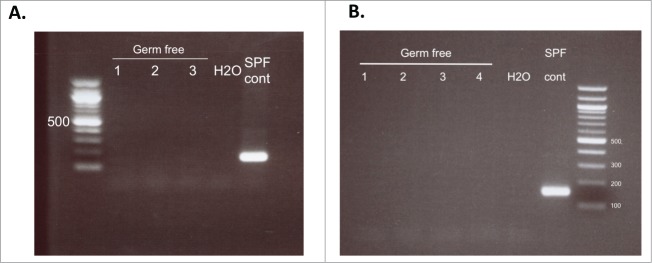
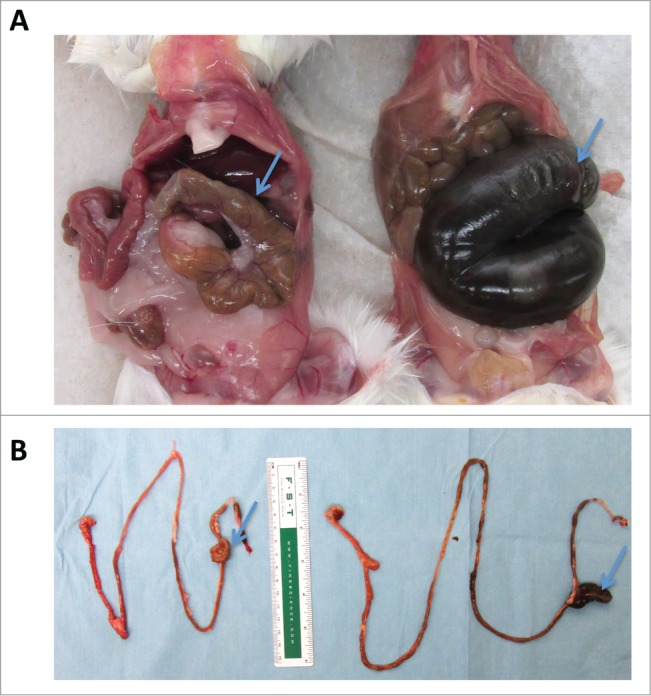
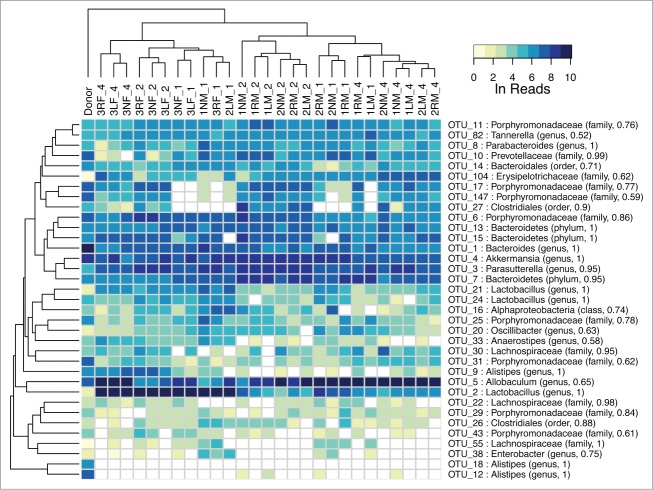
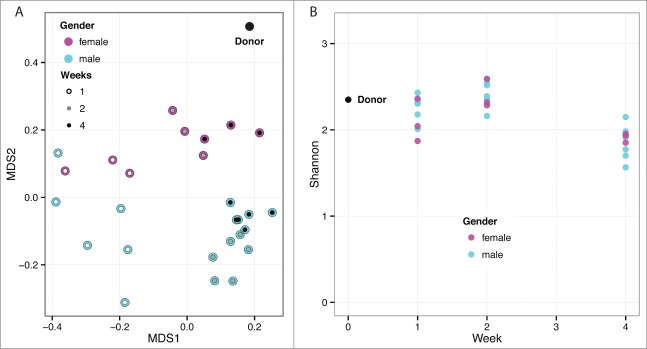
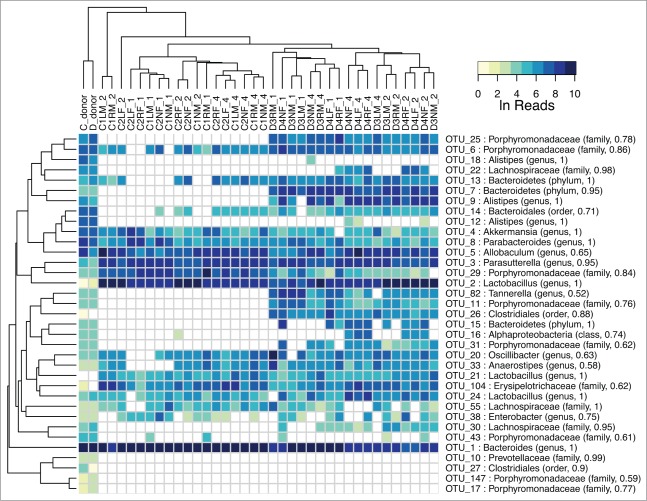
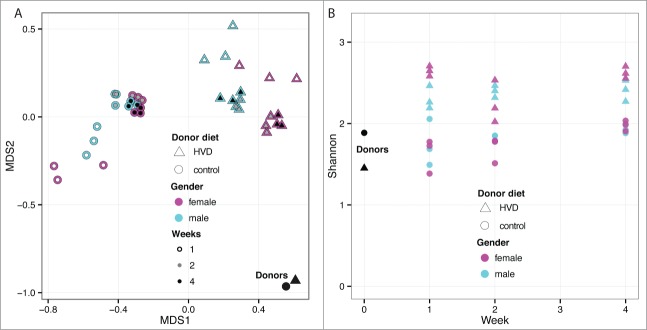
Germ-free mice are used to examine questions about the role of the gut microbiota in development of diseases. Generally these animals are maintained in semi-rigid or flexible-film isolators to ensure their continued sterility or, if colonized with specific microbiota, to ensure that no new species are introduced. Here, we describe the use of a caging system in which individual cages are hermetically sealed and have their own filtered positive airflow. This isopositive caging system requires less space and reduces animal housing costs. By using strict sterile techniques, we kept mice germ-free in this caging system for 12 weeks. We also used this caging system and approach to conduct studies evaluating a) the stability of the microbiome in germ-free mice receiving a fecal transplant and b) the stability of dietary-induced microbiota changes in fecal-transplanted mice. As has been shown in fecal transfer studies in isolators, we found that the transferred microbiota stabilizes as early as 2 weeks post transfer although recipient microbiota did not completely recapitulate those of the donors. Interestingly, we also noted some sex effects in these studies indicating that the sex of recipients or donors may play a role in colonization of microbiota. However, a larger study will be needed to determine what role, if any, sex plays in colonization of microbiota. Based on our studies, an isopositive caging system may be utilized to test multiple donor samples for their effects on phenotypes of mice in both normal and disease states even with limited available space for housing.
Keywords: MSD, multi-dimensional scaling; OTU, operational taxanomic unit; SOP, standard operating procedure.; fecal transfer; germ-free; isolator; isopositive cage; method; microbiota.
Figures
References
-
- Reading NC, Kasper DL. The starting lineup: key microbial players in intestinal immunity and homeostasis. Front Microbiol 2011; 2:148; PMID:21779278; http://dx.doi.org/ 10.3389/fmicb.2011.00148 - DOI - PMC - PubMed
-
- David LA, Maurice CF, Carmody RN, Gootenberg DB, Button JE, Wolfe BE, Ling AV, Devlin AS, Varma Y, Fischbach MA, et al.. Diet rapidly and reproducibly alters the human gut microbiome. Nature 2014; 505:559-63; PMID:24336217; http://dx.doi.org/ 10.1038/nature12820 - DOI - PMC - PubMed
-
- Lepage P, Hasler R, Spehlmann ME, Rehman A, Zvirbliene A, Begun A, Ott S, Kupcinskas L, Dore J, Raedler A, et al.. Twin study indicates loss of interaction between microbiota and mucosa of patients with ulcerative colitis. Gastroenterology 2011; 141:227-36; PMID:21621540; http://dx.doi.org/ 10.1053/j.gastro.2011.04.011 - DOI - PubMed
-
- Chung H, Pamp SJ, Hill JA, Surana NK, Edelman SM, Troy EB, Reading NC, Villablanca EJ, Wang S, Mora JR, et al.. Gut immune maturation depends on colonization with a host-specific microbiota. Cell 2012; 149:1578-93; PMID:22726443; http://dx.doi.org/ 10.1016/j.cell.2012.04.037 - DOI - PMC - PubMed
-
- Ridaura VK, Faith JJ, Rey FE, Cheng J, Duncan AE, Kau AL, Griffin NW, Lombard V, Henrissat B, Bain JR, et al.. Gut microbiota from twins discordant for obesity modulate metabolism in mice. Science 2013; 341:1241214; PMID:24009397; http://dx.doi.org/ 10.1126/science.1241214 - DOI - PMC - PubMed
Publication types
MeSH terms
LinkOut - more resources
Full Text Sources
Other Literature Sources
