


Synthesis and characterisation of ultrasound imageable heat-sensitive liposomes for HIFU therapy
- PMID: 26185910
- PMCID: PMC4850831
- DOI: 10.3109/02656736.2015.1057622
Synthesis and characterisation of ultrasound imageable heat-sensitive liposomes for HIFU therapy
Abstract
Background/objective: Novel approaches allowing efficient, readily translatable image-guided drug delivery (IGDD) against solid tumours is needed. The objectives of this study were to: 1) develop echogenic low temperature sensitive liposomes (E-LTSLs) loaded with an ultrasound (US) contrast agent (perfluoropentane, PFP), 2) determine the in vitro and in vivo stability of contrast agent encapsulation, 3) co-encapsulate and characterise doxorubicin (Dox) E-LTSL, and cellular uptake and cytotoxicity in combination with high intensity focused ultrasound (HIFU).
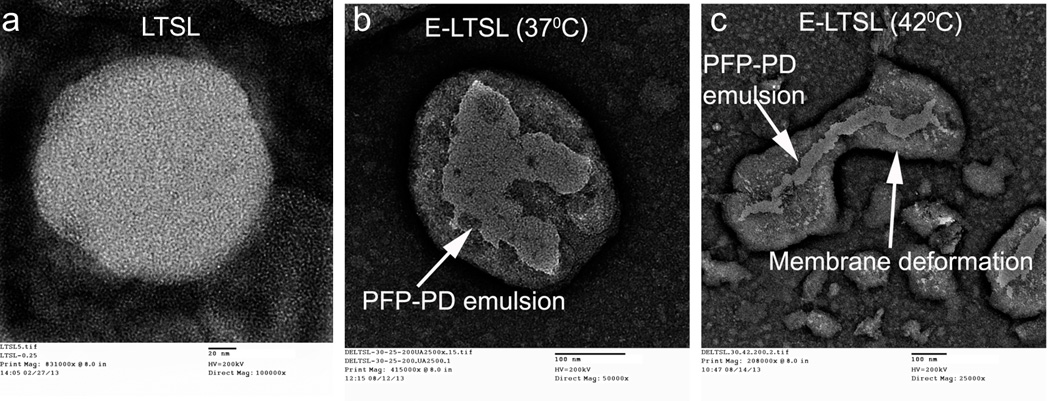
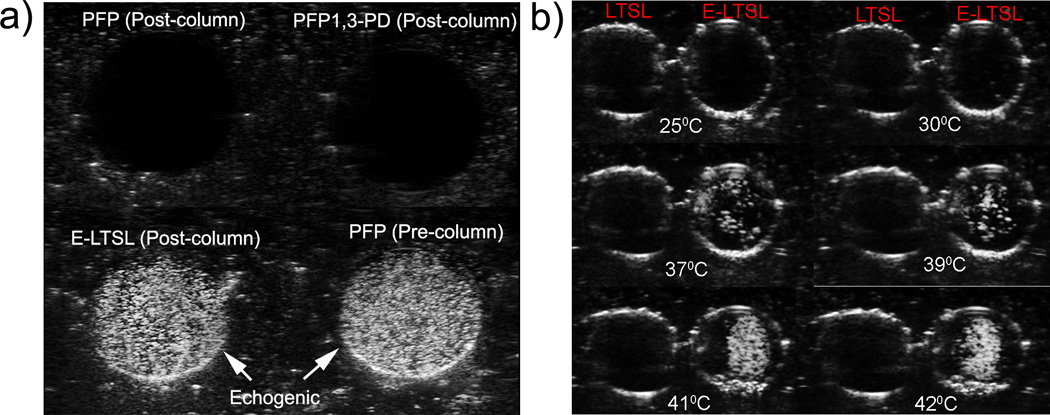
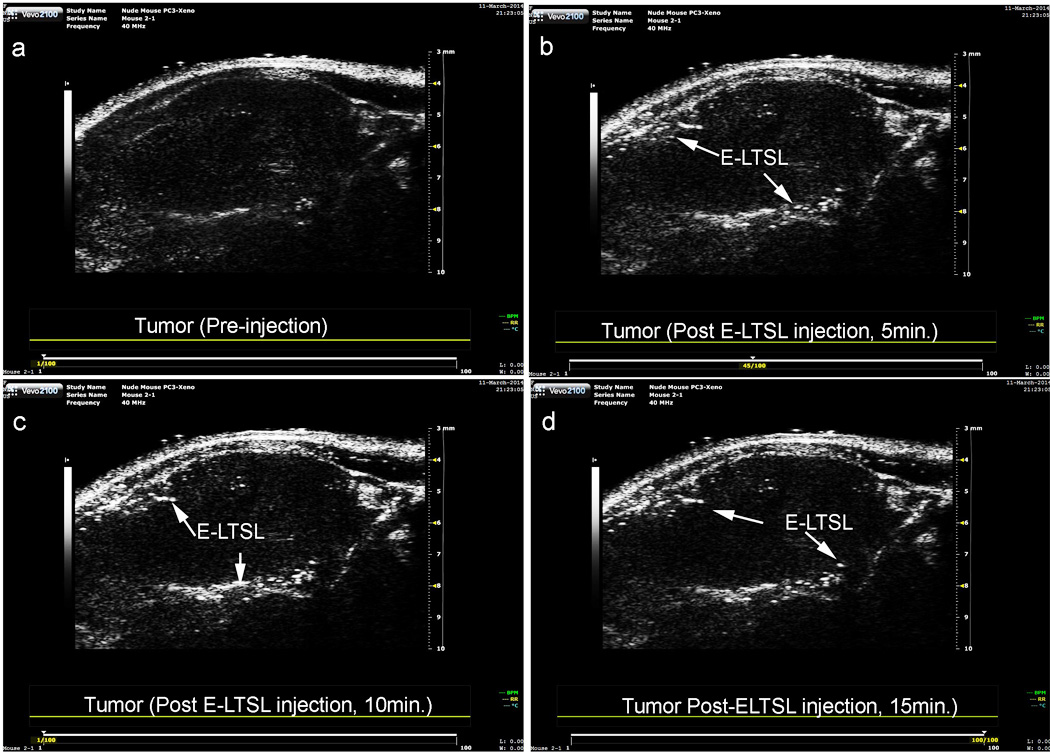
Method: E-LTSLs were loaded passively with PFP and actively with Dox. PFP encapsulation in E-LTSL was determined by transmission electron microscopy (TEM), and US imageability was determined in tissue-mimicking phantoms and mouse tumour model. Dox release from E-LTSL in physiological buffer was quantified by fluorescence spectroscopy. Cellular uptake and cytotoxicity of E-LTSL in the presence of HIFU-induced mild hyperthermia (∼40-42 °C) was determined in a 3D tumour spheroid model.
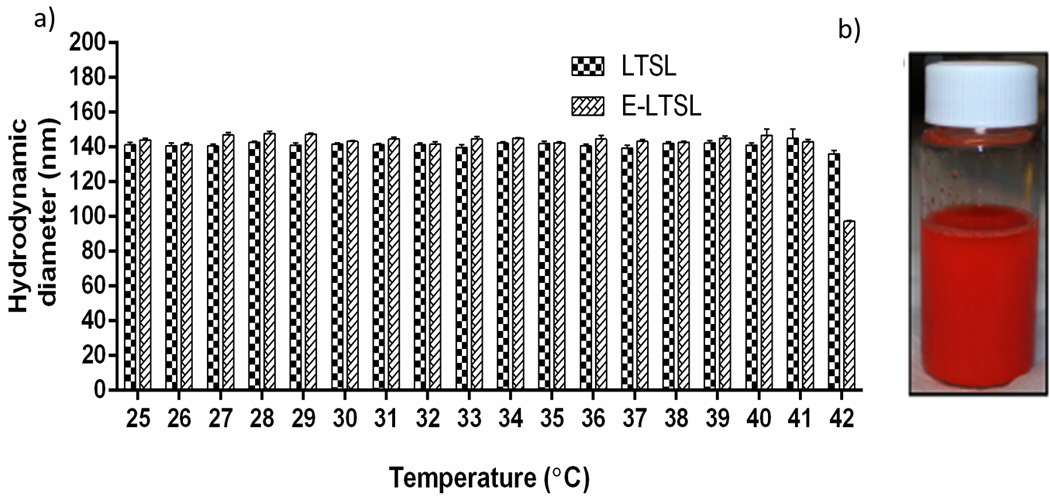
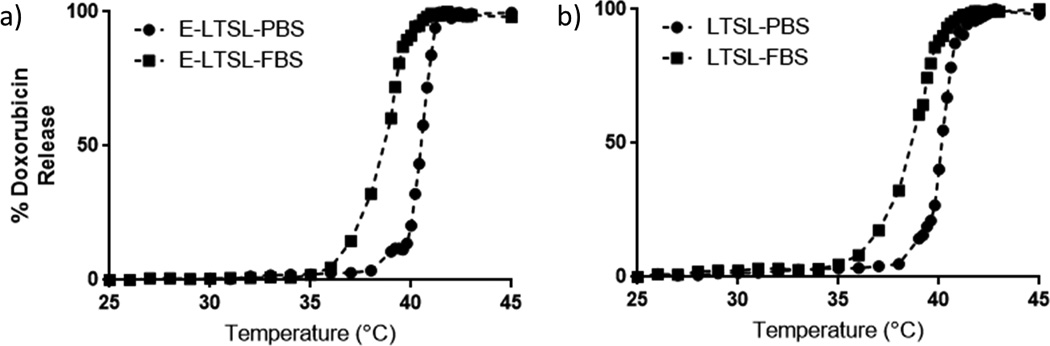
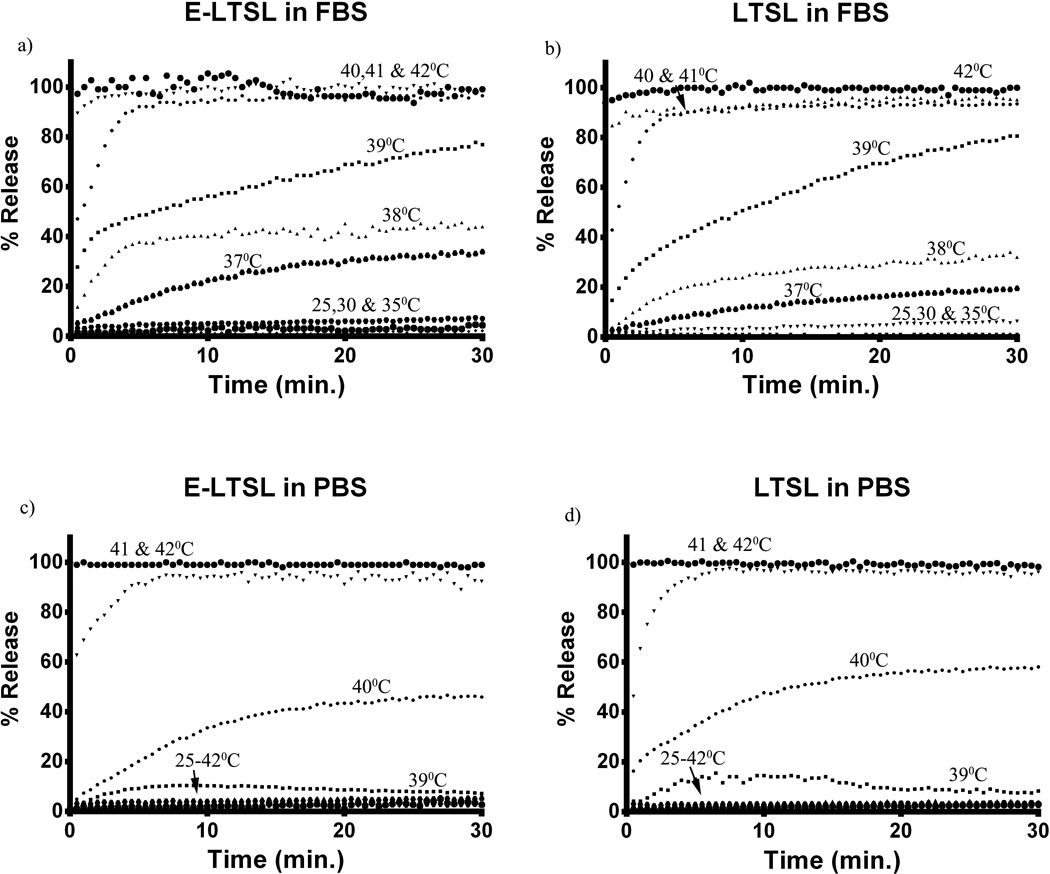
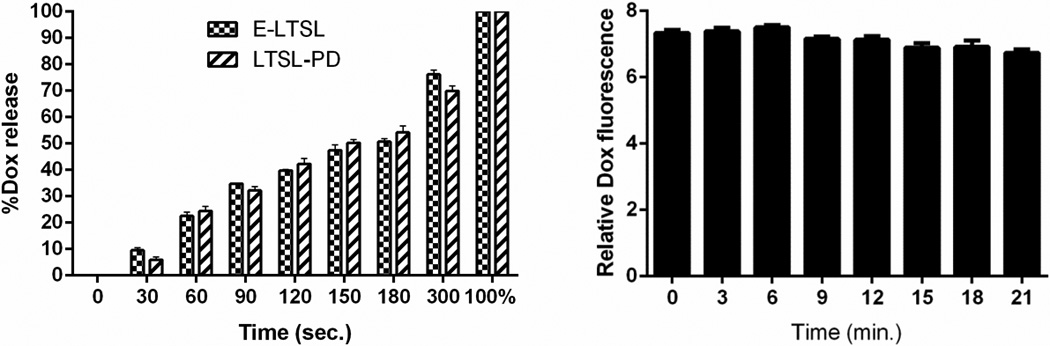
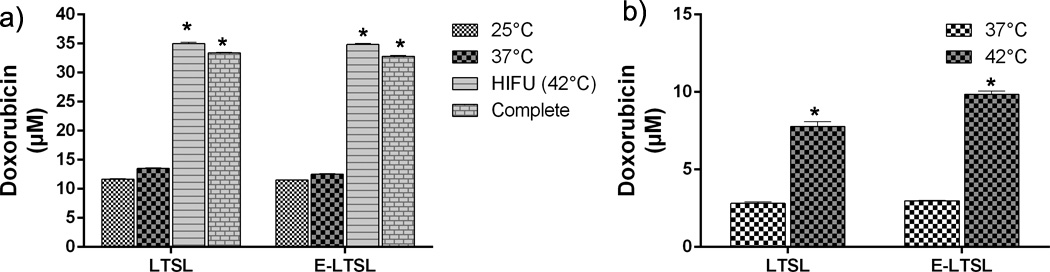
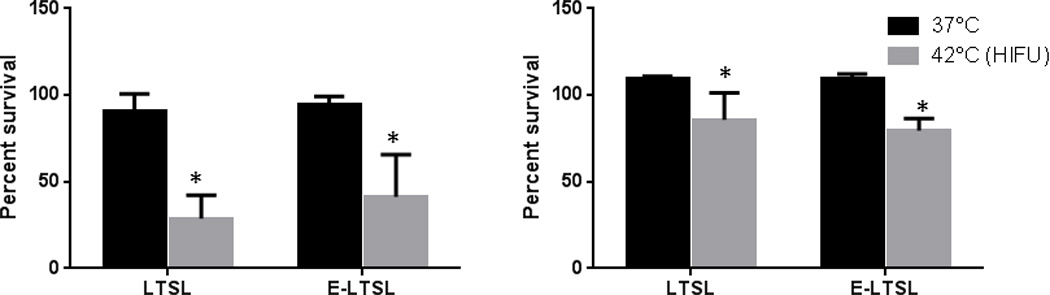
Results: TEM and US confirmed that the PFP emulsion was contained within LTSLs. Phantom and animal studies showed that the E-LTSLs were echogenic. Temperature versus size increase and Dox release kinetics of E-LTSLs demonstrated no difference compared to LTSL alone. Dox release was <5% within 1 h at baseline (25 °C) and body (37 °C) temperatures, and was >99% under hyperthermia. E-LTSL plus HIFU achieved significantly greater Dox uptake in spheroids and cytotoxicity compared to body temperature.
Conclusion: A stable US-imageable liposome co-loaded with Dox and PFP for in vivo IGDD was developed. Data suggest that HIFU can induce cellular uptake and toxicity with E-LTSLs.
Keywords: Echogenic heat-sensitive liposome; HIFU; Image Guided Drug Delivery; Perfluoropentane; Spheroid; Tumor.
Figures
References
-
- Allen TM, Cullis PR. Drug delivery systems: entering the mainstream. Science. 2004;303:1818–1822. - PubMed
-
- O'Brien ME, et al. Reduced cardiotoxicity and comparable efficacy in a phase III trial of pegylated liposomal doxorubicin HCl (CAELYX/Doxil) versus conventional doxorubicin for first-line treatment of metastatic breast cancer. Annals of oncology : official journal of the European Society for Medical Oncology / ESMO. 2004;15:440–449. - PubMed
-
- Lyseng-Williamson KA, Duggan ST, Keating GM. Pegylated liposomal doxorubicin: a guide to its use in various malignancies. BioDrugs : clinical immunotherapeutics, biopharmaceuticals and gene therapy. 2013;27:533–540. - PubMed
-
- Park K. Questions on the role of the EPR effect in tumor targeting. Journal of controlled release : official journal of the Controlled Release Society. 2013;172:391. - PubMed
Publication types
MeSH terms
Substances
Grants and funding
LinkOut - more resources
Full Text Sources
Other Literature Sources
