


Programs to Strengthen Parent-Adolescent Communication About Reproductive Health: A Systematic Review
- PMID: 26190849
- PMCID: PMC10472452
- DOI: 10.1016/j.amepre.2015.03.022
Programs to Strengthen Parent-Adolescent Communication About Reproductive Health: A Systematic Review
Abstract
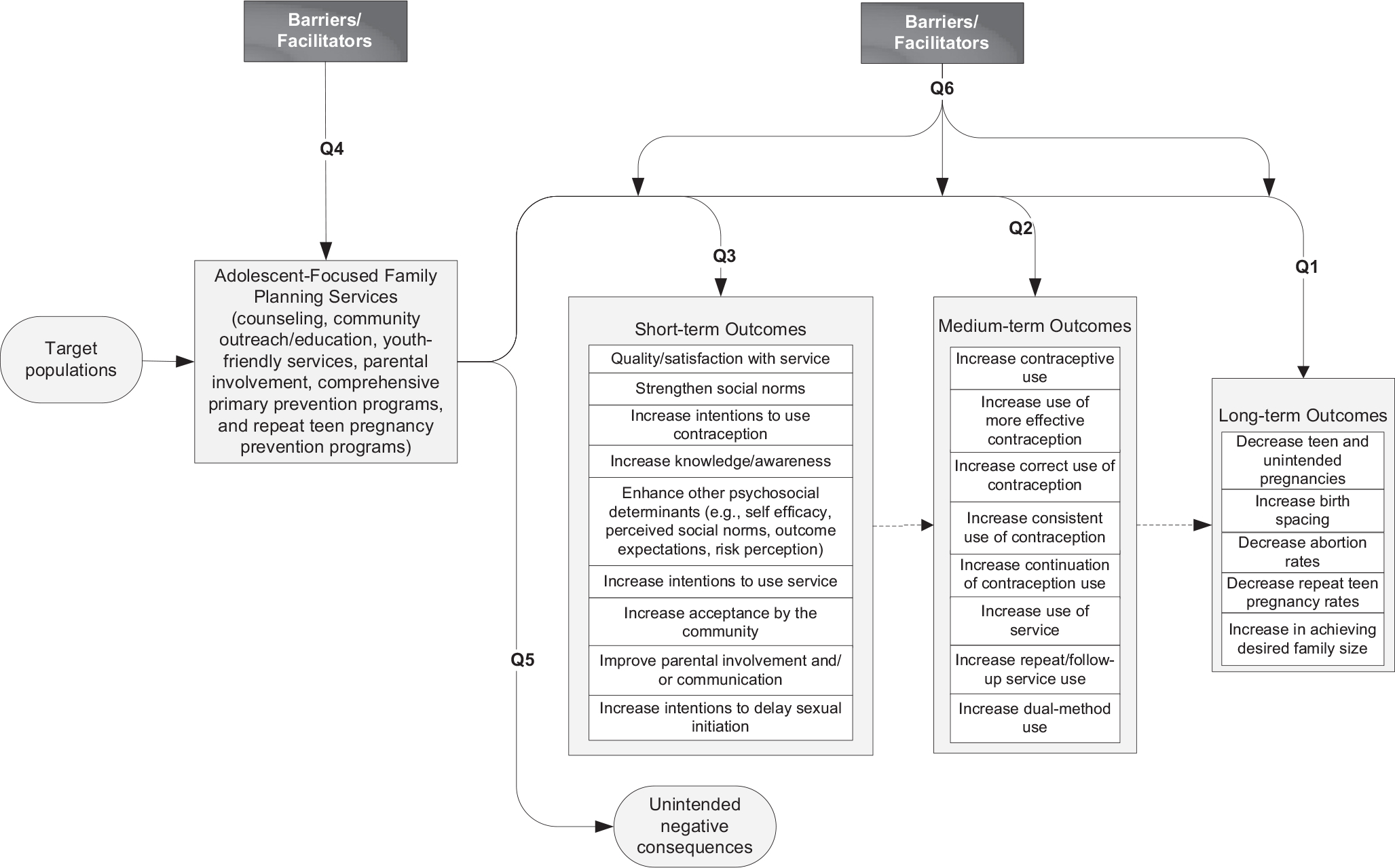
Context: When caring for an adolescent client, providers of contraceptive services must consider whether and how to encourage parent/guardian-child communication about the adolescent's reproductive health. The objective of this systematic review was to summarize the evidence on the effectiveness of programs designed to increase parent-child communication about reproductive health. The review was used to inform national recommendations on quality family planning services. Data analysis occurred from mid-2011 through 2012.
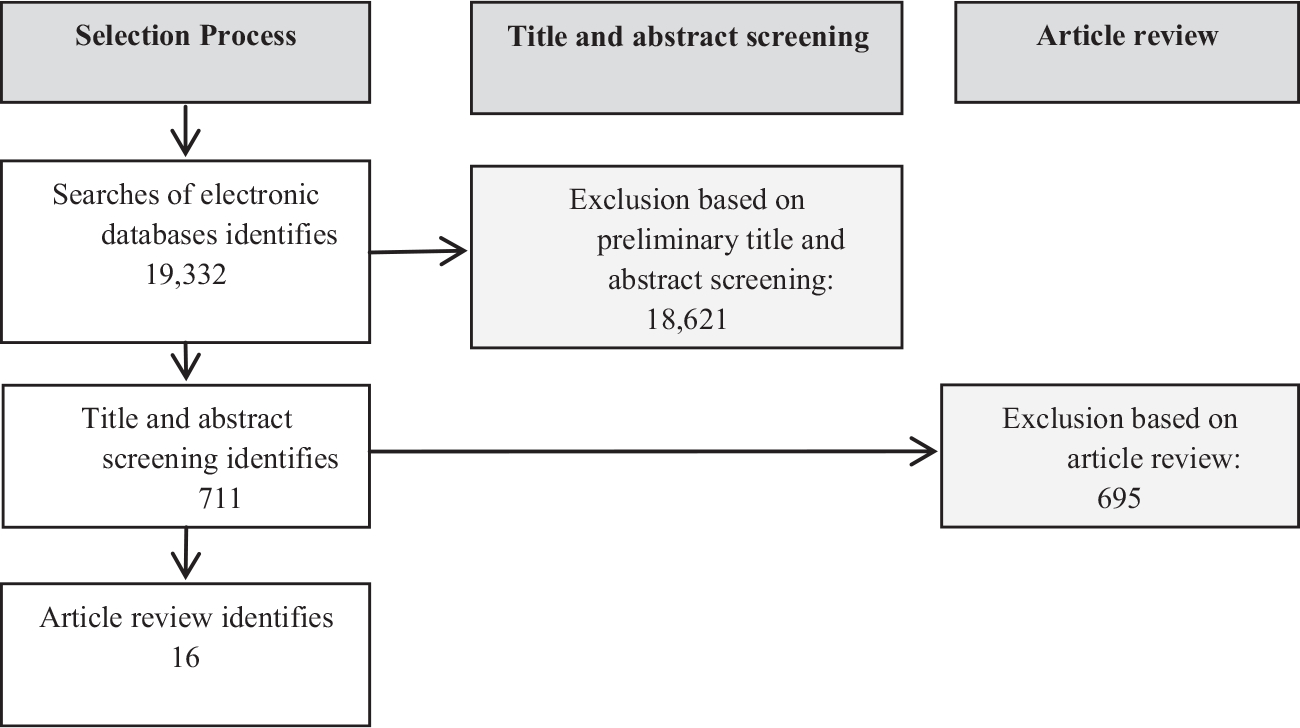
Evidence acquisition: Several electronic bibliographic databases were used to identify relevant articles, including PubMed, CINAHL, PsycINFO, and Popline, published from January 1985 through February 2011.
Evidence synthesis: Sixteen articles met the inclusion criteria: all studies examined the impact on at least one medium- or short-term outcome, and two studies assessed the impact on teen pregnancy. One study examined the impact of a program conducted in a clinic setting; the remainder examined the impact of programs in community settings. All studies showed a positive impact on at least one short-term outcome, and 12 of 16 studies showed an increase in parent-child communication about reproductive health. Four of seven studies found an impact on sexual risk behavior.
Conclusions: Most programs increased parent-child communication, and several resulted in reduced sexual risk behavior of adolescents. This suggests that delivering a clinic-based program that effectively helps parents/guardians talk to their adolescent child(ren) about reproductive health, or referring parents/guardians to an evidence-based program in the community, may be beneficial. However, further rigorous research on delivery of these programs in clinical settings is needed.
Published by Elsevier Inc.
Figures
References
-
- Ventura S, Curtin S, Abma J, Henshaw S. Estimated pregnancy rates and rates of pregnancy outcomes for the United States, 1990–2008. Natl Vital Stat Rep. 2012;60(7). - PubMed
-
- Hoffman S, Maynard R. Kids Having Kids: Economic Costs and Social Consequences of Teen Pregnancy, 2nd ed., Washington, DC: Urban Institute Press; 2008.
-
- Hoffman S Counting It Up: The Public Costs of Teen Childbearing. Washington, DC: The National Campaign to Prevent Teen and Unplanned Pregnancy; 2010.
Publication types
MeSH terms
Grants and funding
LinkOut - more resources
Full Text Sources
Medical
Miscellaneous
