


Influences of Environmental Chemicals on Atopic Dermatitis
- PMID: 26191377
- PMCID: PMC4505354
- DOI: 10.5487/TR.2015.31.2.089
Influences of Environmental Chemicals on Atopic Dermatitis
Abstract
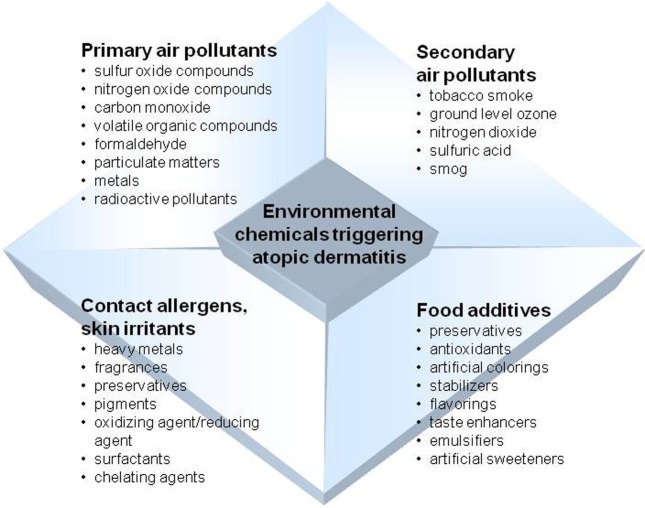
Atopic dermatitis is a chronic inflammatory skin condition including severe pruritus, xerosis, visible eczematous skin lesions that mainly begin early in life. Atopic dermatitis exerts a profound impact on the quality of life of patients and their families. The estimated lifetime prevalence of atopic dermatitis has increased 2~3 fold during over the past 30 years, especially in urban areas in industrialized countries, emphasizing the importance of life-style and environment in the pathogenesis of atopic diseases. While the interplay of individual genetic predisposition and environmental factors contribute to the development of atopic dermatitis, the recent increase in the prevalence of atopic dermatitis might be attributed to increased exposure to various environmental factors rather than alterations in human genome. In recent decades, there has been an increasing exposure to chemicals from a variety of sources. In this study, the effects of various environmental chemicals we face in everyday life - air pollutants, contact allergens and skin irritants, ingredients in cosmetics and personal care products, and food additives - on the prevalence and severity of atopic dermatitis are reviewed.
Keywords: Air pollutants; Atopic dermatitis; Contact allergens; Cosmetic ingredients; Food additives; Skin irritants.
Figures
References
Publication types
LinkOut - more resources
Full Text Sources
Miscellaneous
