


Yoga as a Therapeutic Intervention: A Bibliometric Analysis of Published Research Studies from 1967 to 2013
- PMID: 26196166
- PMCID: PMC4605382
- DOI: 10.1089/acm.2015.0057
Yoga as a Therapeutic Intervention: A Bibliometric Analysis of Published Research Studies from 1967 to 2013
Abstract
Objective: A comprehensive bibliometric analysis was conducted on publications for yoga therapy research in clinical populations.
Methods: Major electronic databases were searched for articles in all languages published between 1967 and 2013. Databases included PubMed, PsychInfo, MEDLINE, IndMed, Indian Citation Index, Index Medicus for South-East Asia Region, Web of Knowledge, Embase, EBSCO, and Google Scholar. Nonindexed journals were searched manually. Key search words included yoga, yoga therapy, pranayama, asana. All studies met the definition of a clinical trial. All styles of yoga were included. The authors extracted the data.
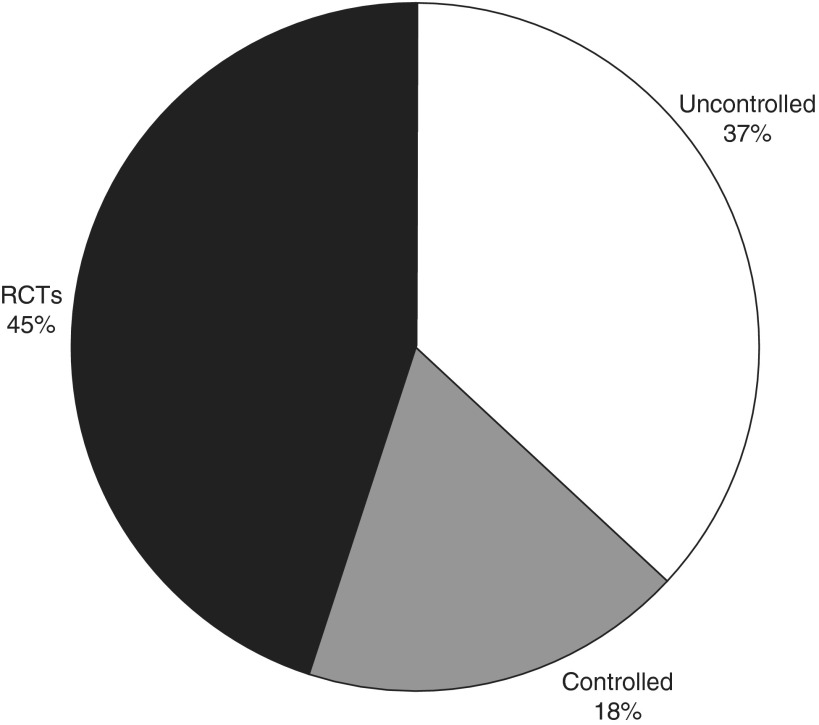
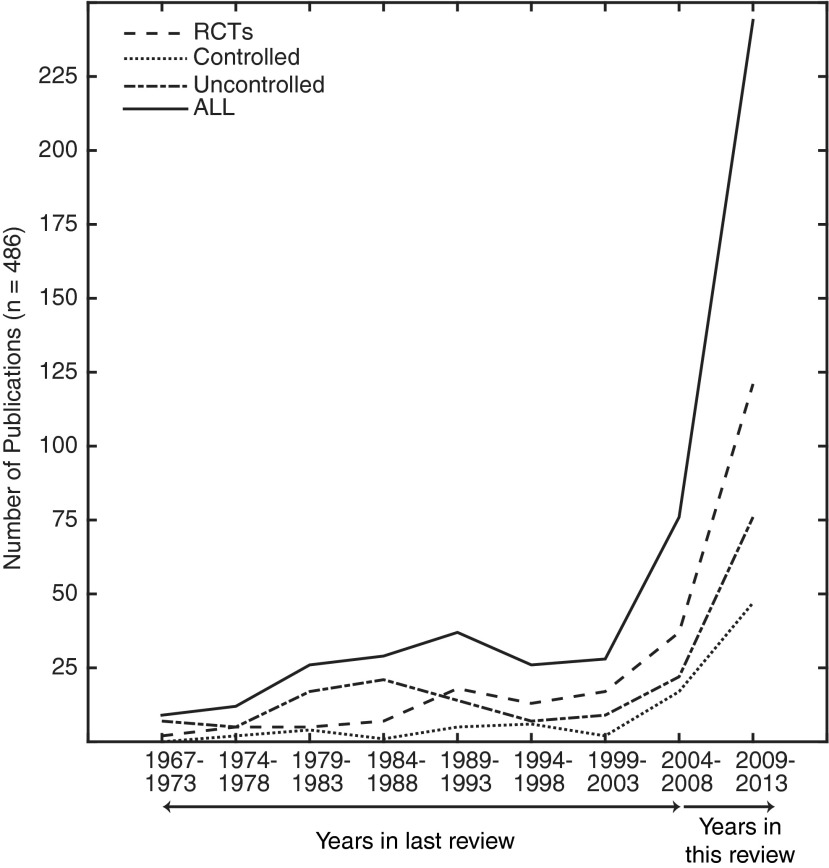
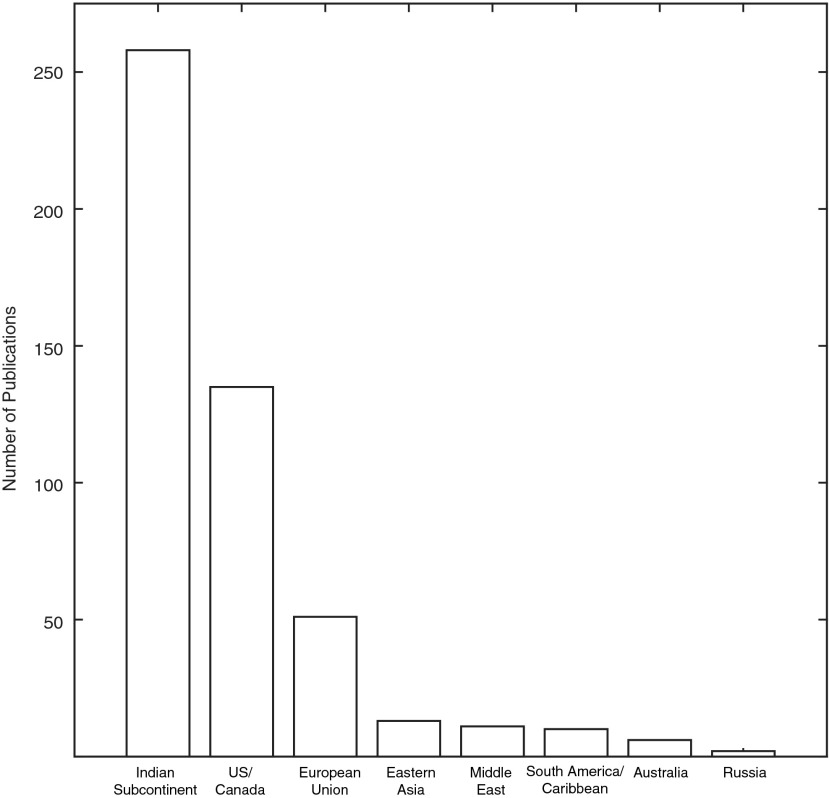
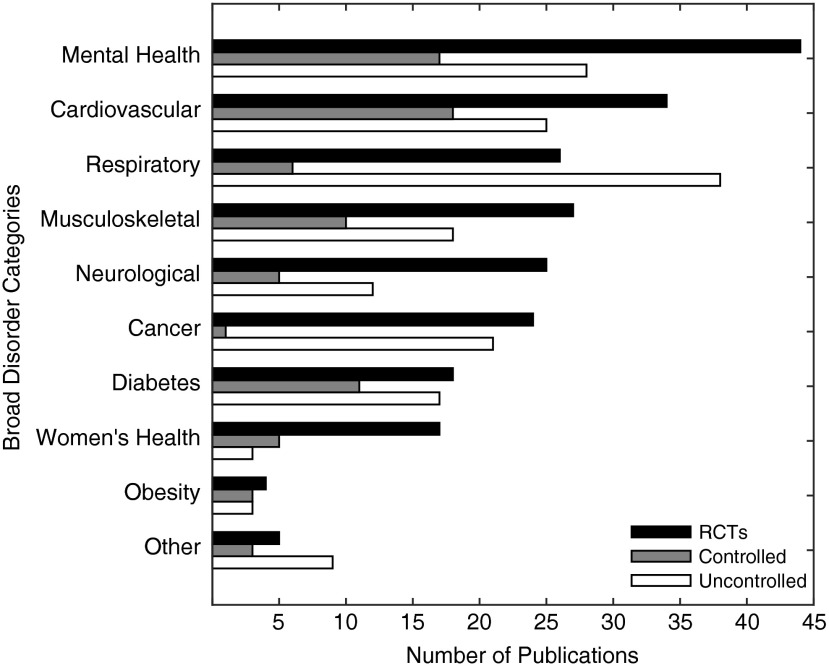
Results: A total of 486 articles met the inclusion criteria and were published in 217 different peer-reviewed journals from 29 different countries on 28,080 study participants. The primary result observed is the three-fold increase in number of publications seen in the last 10 years, inclusive of all study designs. Overall, 45% of the studies published were randomized controlled trials, 18% were controlled studies, and 37% were uncontrolled studies. Most publications originated from India (n=258), followed by the United States (n=122) and Canada (n=13). The top three disorders addressed by yoga interventions were mental health, cardiovascular disease, and respiratory disease.
Conclusion: A surge in publications on yoga to mitigate disease-related symptoms in clinical populations has occurred despite challenges facing the field of yoga research, which include standardization and limitations in funding, time, and resources. The population at large has observed a parallel surge in the use of yoga outside of clinical practice. The use of yoga as a complementary therapy in clinical practice may lead to health benefits beyond traditional treatment alone; however, to effect changes in health care policy, more high-quality, evidence-based research is needed.
Figures
Comment in
-
PUBLICATIONS ON YOGA AS COMPLEMENTARY THERAPY SURGE, BUT MORE HIGH-QUALITY STUDIES ARE NEEDED TO EFFECT HEALTH POLICY CHANGE.J Midwifery Womens Health. 2016 Jan-Feb;61(1):126. doi: 10.1111/jmwh.12429_6. J Midwifery Womens Health. 2016. PMID: 26824203 No abstract available.
References
-
- Iyengar BKS. Light on Yoga. New York: Schocken, 1995
-
- Lewith GT, Jonas WB, Walach H, eds. Clinical Research in Complementary Therapies: Principles, Problems and Solutions. London: Churchill Livingston, 2012
-
- Cummings NA, VandenBos GR. The twenty years Kaiser-Permanente experience with psychotherapy and medical utilization: Implications for national health policy and national health insurance. Health Policy Q 1981;1:159–175 - PubMed
-
- Kroenke K, Mangelsdorff AD. Common symptoms in ambulatory care - incidence, evaluation, therapy, and outcome. Am J Med 1989;86:262–266 - PubMed
-
- Charmandari E, Tsigos C, Chrousos G. Endocrinology of the stress response. Annu Rev Physiol 2005;67:259–284 - PubMed
Publication types
MeSH terms
LinkOut - more resources
Full Text Sources
Other Literature Sources
Medical
Miscellaneous
