


227 Views of RNA: Is RNA Unique in Its Chemical Isomer Space?
- PMID: 26200431
- PMCID: PMC4523004
- DOI: 10.1089/ast.2014.1213
227 Views of RNA: Is RNA Unique in Its Chemical Isomer Space?
Abstract
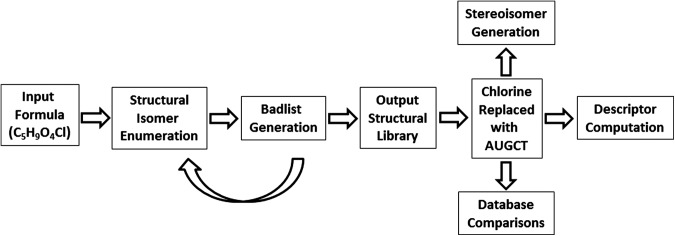
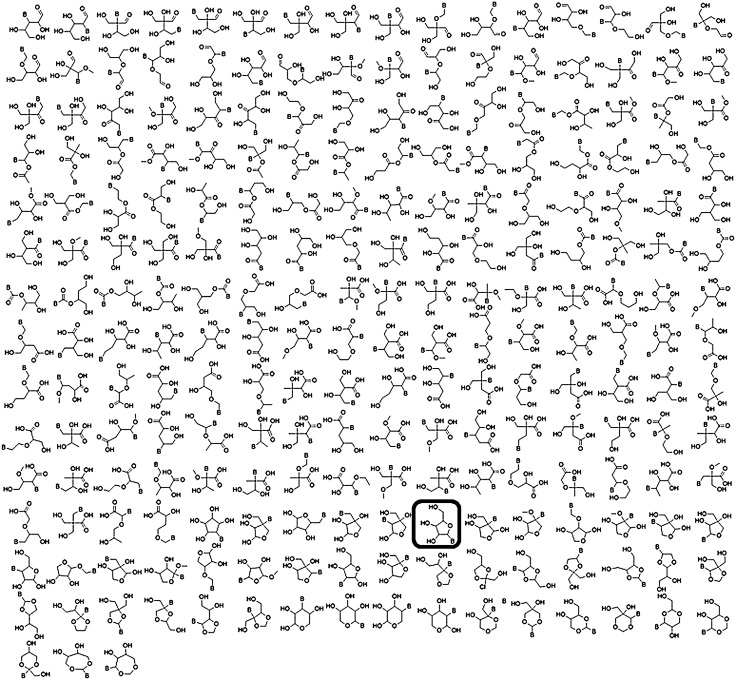
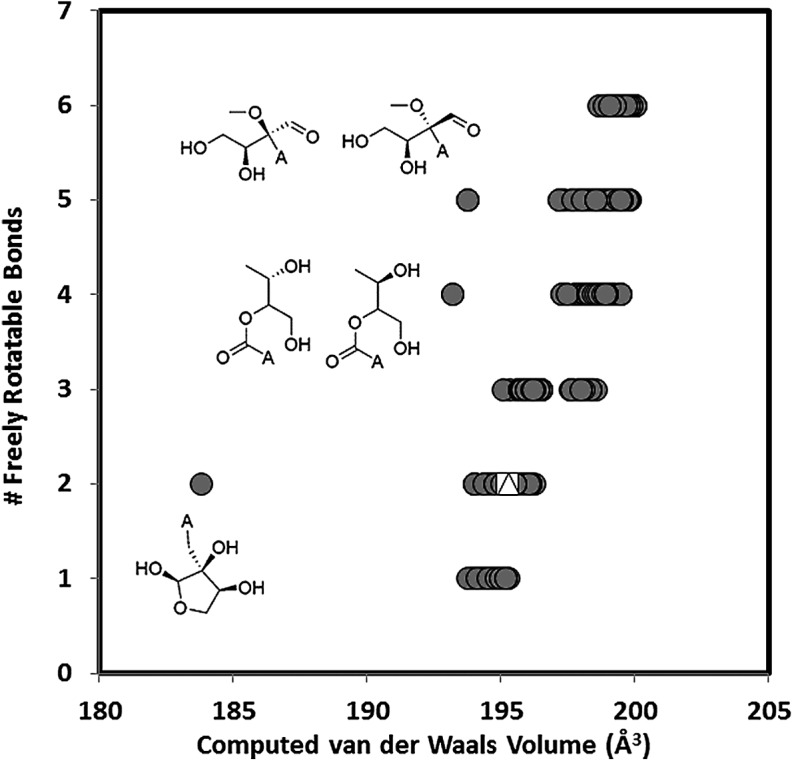
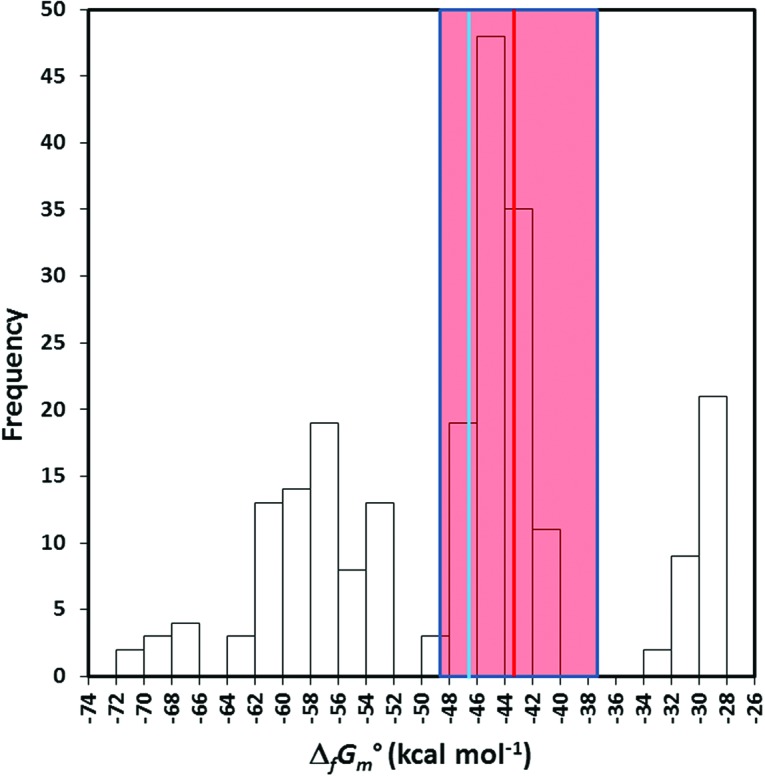
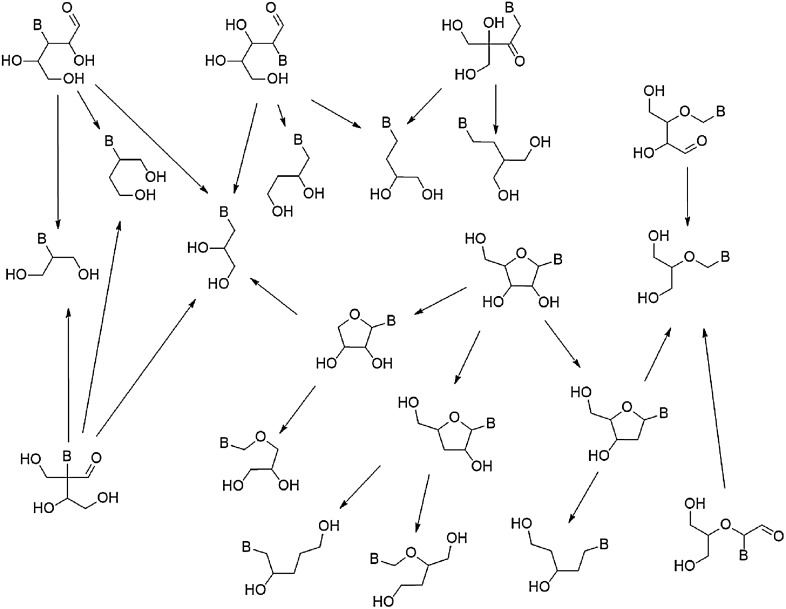
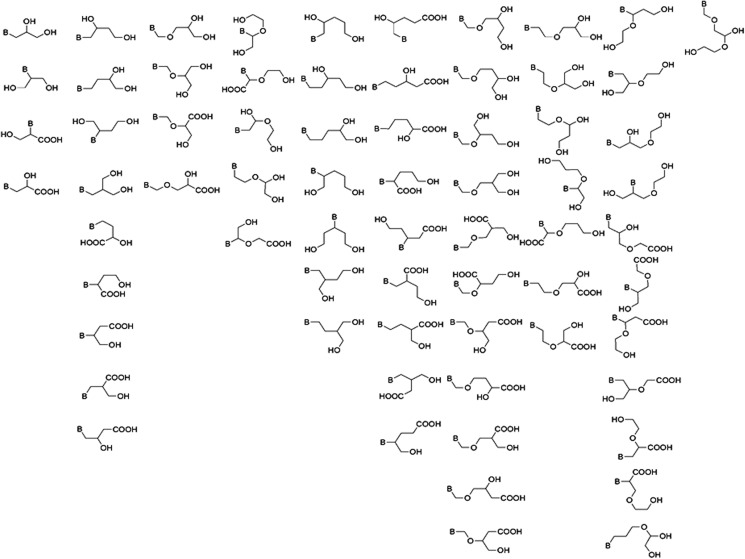
Ribonucleic acid (RNA) is one of the two nucleic acids used by extant biochemistry and plays a central role as the intermediary carrier of genetic information in transcription and translation. If RNA was involved in the origin of life, it should have a facile prebiotic synthesis. A wide variety of such syntheses have been explored. However, to date no one-pot reaction has been shown capable of yielding RNA monomers from likely prebiotically abundant starting materials, though this does not rule out the possibility that simpler, more easily prebiotically accessible nucleic acids may have preceded RNA. Given structural constraints, such as the ability to form complementary base pairs and a linear covalent polymer, a variety of structural isomers of RNA could potentially function as genetic platforms. By using structure-generation software, all the potential structural isomers of the ribosides (BC5H9O4, where B is nucleobase), as well as a set of simpler minimal analogues derived from them, that can potentially serve as monomeric building blocks of nucleic acid-like molecules are enumerated. Molecules are selected based on their likely stability under biochemically relevant conditions (e.g., moderate pH and temperature) and the presence of at least two functional groups allowing the monomers to be incorporated into linear polymers. The resulting structures are then evaluated by using molecular descriptors typically applied in quantitative structure-property relationship (QSPR) studies and predicted physicochemical properties. Several databases have been queried to determine whether any of the computed isomers had been synthesized previously. Very few of the molecules that emerge from this structure set have been previously described. We conclude that ribonucleosides may have competed with a multitude of alternative structures whose potential proto-biochemical roles and abiotic syntheses remain to be explored.
Figures
References
-
- Agrofoglio L., and Challand S.R. (1998) Acyclic, Carbocyclic and L-Nucleosides, Springer, Dordrecht, the Netherlands
-
- Bean H.D., Anet F.A., Gould I.R., and Hud N.V. (2006) Glyoxylate as a backbone linkage for a prebiotic ancestor of RNA. Orig Life Evol Biosph 36:39–63 - PubMed
-
- Bean H.D., Sheng Y., Collins J.P., Anet F.A., Leszczynski J., and Hud N.V. (2007) Formation of a beta-pyrimidine nucleoside by a free pyrimidine base and ribose in a plausible prebiotic reaction. J Am Chem Soc 129:9556–9557 - PubMed
-
- Beck A., Lohrmann R., and Orgel L.E. (1967) Phosphorylation with inorganic phosphates at moderate temperatures. Science 157:952. - PubMed
-
- Benner S.A. (1999) How small can a microorganism be? In Size Limits of Very Small Microorganisms: Proceedings of a Workshop, Steering Group for the Workshop on Size Limits of Very Small Microorganisms, Space Studies Board, National Academies Press, Washington, DC, pp 126–138
Publication types
MeSH terms
Substances
LinkOut - more resources
Full Text Sources
Other Literature Sources
