


Adverse drug reactions and drug-drug interactions with over-the-counter NSAIDs
- PMID: 26203254
- PMCID: PMC4508078
- DOI: 10.2147/TCRM.S79135
Adverse drug reactions and drug-drug interactions with over-the-counter NSAIDs
Abstract
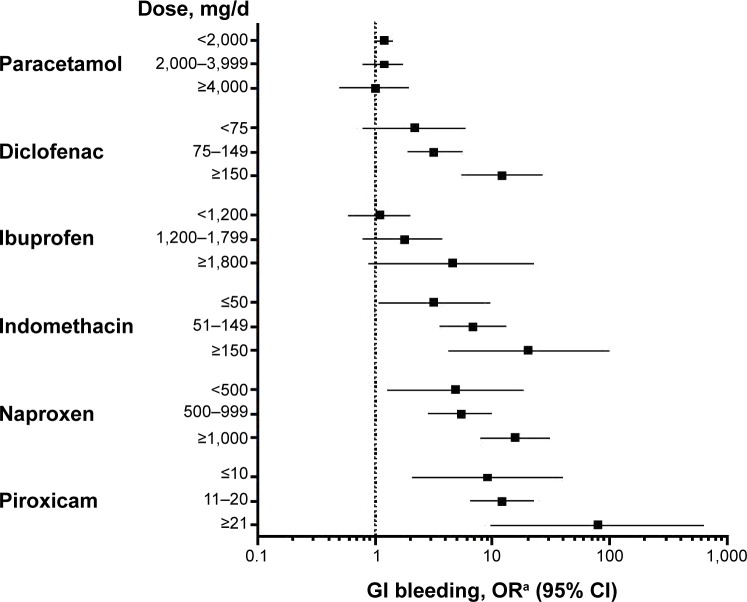
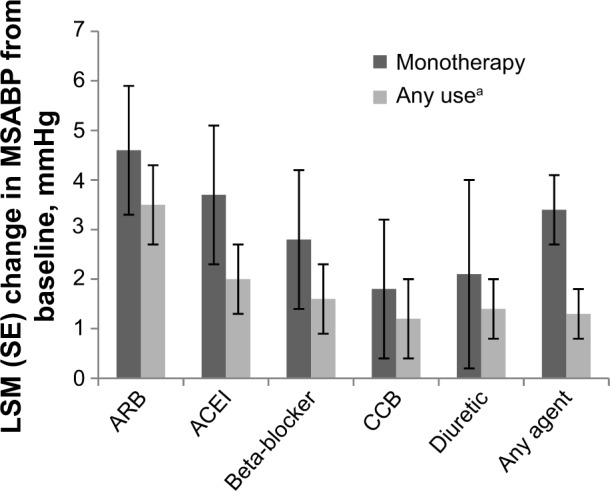
Nonsteroidal anti-inflammatory drugs (NSAIDs) such as ibuprofen have a long history of safe and effective use as both prescription and over-the-counter (OTC) analgesics/antipyretics. The mechanism of action of all NSAIDs is through reversible inhibition of cyclooxygenase enzymes. Adverse drug reactions (ADRs) including gastrointestinal bleeding as well as cardiovascular and renal effects have been reported with NSAID use. In many cases, ADRs may occur because of drug-drug interactions (DDIs) between the NSAID and a concomitant medication. For example, DDIs have been reported when NSAIDs are coadministered with aspirin, alcohol, some antihypertensives, antidepressants, and other commonly used medications. Because of the pharmacologic nature of these interactions, there is a continuum of risk in that the potential for an ADR is dependent on total drug exposure. Therefore, consideration of dose and duration of NSAID use, as well as the type or class of comedication administered, is important when assessing potential risk for ADRs. Safety findings from clinical studies evaluating prescription-strength NSAIDs may not be directly applicable to OTC dosing. Health care providers can be instrumental in educating patients that using OTC NSAIDs at the lowest effective dose for the shortest required duration is vital to balancing efficacy and safety. This review discusses some of the most clinically relevant DDIs reported with NSAIDs based on major sites of ADRs and classes of medication, with a focus on OTC ibuprofen, for which the most data are available.
Keywords: adverse effects; cardiovascular; gastrointestinal; nonsteroidal anti-inflammatory drugs; renal.
Figures
References
-
- Naprelan® (naproxen sodium) [package insert] San Diego, CA: Victory Pharma, Inc; 2009.
-
- Orudis® (ketoprofen) [package insert] Philadelphia, PA: Wyeth Pharmaceuticals Inc; 2007.
-
- Hersh EV, Moore PA, Ross GL. Over-the-counter analgesics and antipyretics: a critical assessment. Clin Ther. 2000;22(5):500–548. - PubMed
-
- Schiff M, Minic M. Comparison of the analgesic efficacy and safety of nonprescription doses of naproxen sodium and Ibuprofen in the treatment of osteoarthritis of the knee. J Rheumatol. 2004;31(7):1373–1383. - PubMed
-
- Rainsford KD. Fifty years of ibuprofen: advancing pain and fever management. Int J Clin Pract Suppl. 2013;(178):1–2. - PubMed
Publication types
LinkOut - more resources
Full Text Sources
Other Literature Sources
Research Materials
