


A Brief Review of Bioactive Metabolites Derived from Deep-Sea Fungi
- PMID: 26213949
- PMCID: PMC4556995
- DOI: 10.3390/md13084594
A Brief Review of Bioactive Metabolites Derived from Deep-Sea Fungi
Abstract
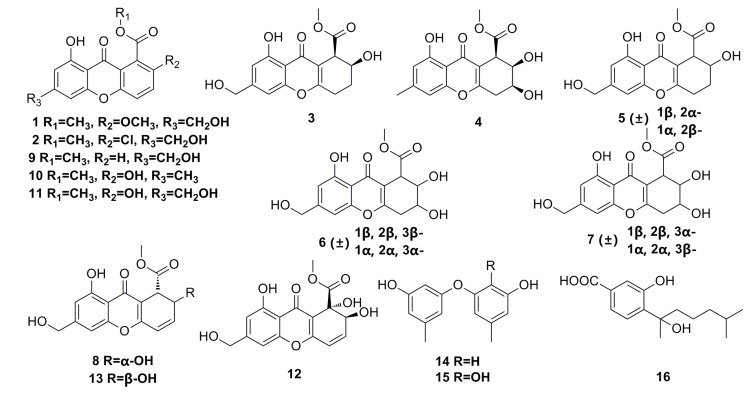
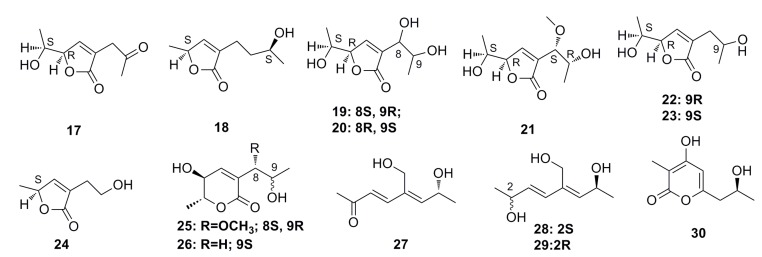
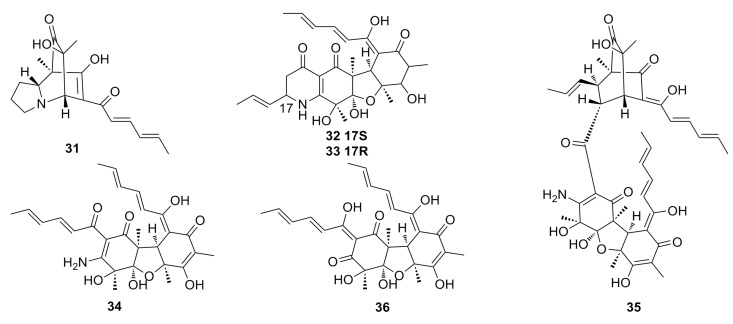
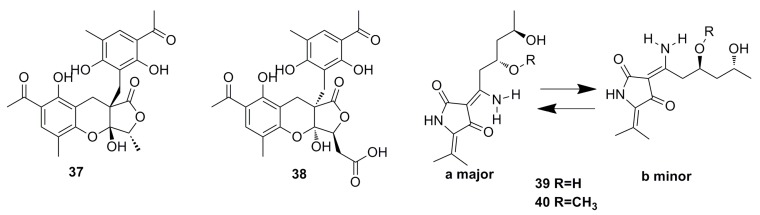
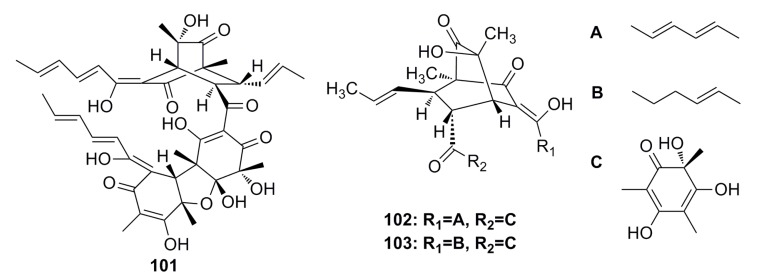
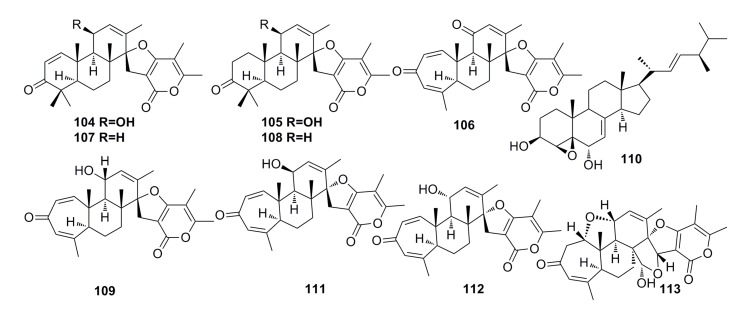
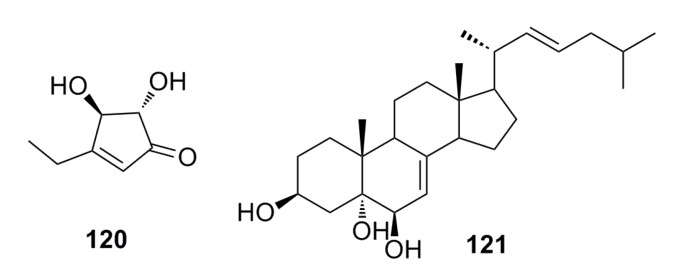
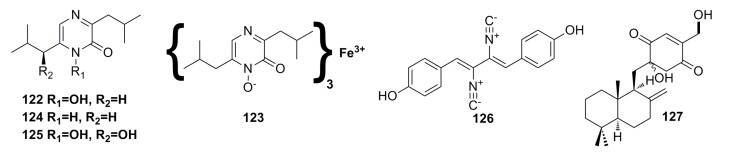
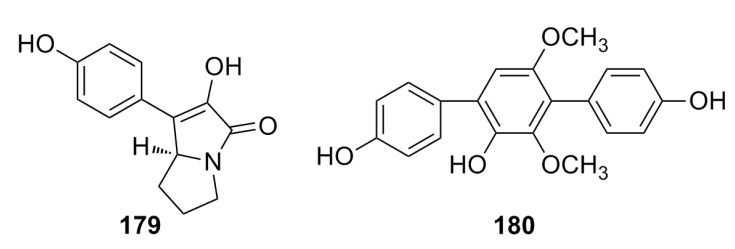
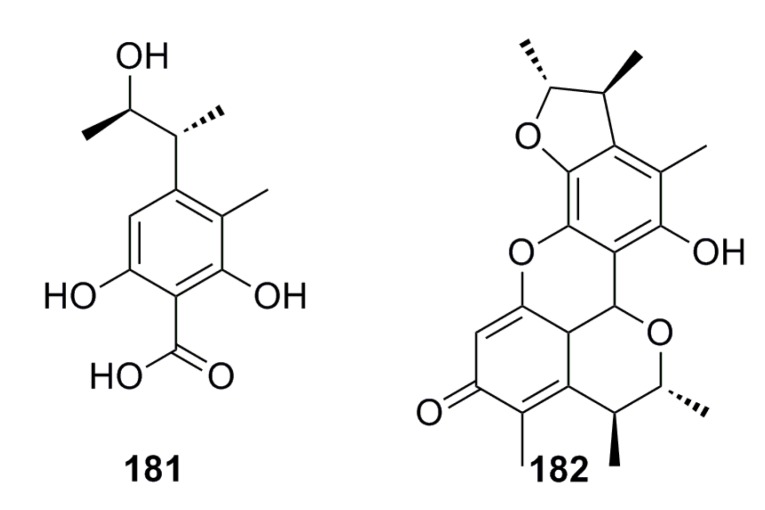
Deep-sea fungi, the fungi that inhabit the sea and the sediment at depths of over 1000 m below the surface, have become an important source of industrial, agricultural, and nutraceutical compounds based on their diversities in both structure and function. Since the first study of deep-sea fungi in the Atlantic Ocean at a depth of 4450 m was conducted approximately 50 years ago, hundreds of isolates of deep-sea fungi have been reported based on culture-dependent methods. To date more than 180 bioactive secondary metabolites derived from deep-sea fungi have been documented in the literature. These include compounds with anticancer, antimicrobial, antifungal, antiprotozoal, and antiviral activities. In this review, we summarize the structures and bioactivities of these metabolites to provide help for novel drug development.
Keywords: anticancer; antifungal; antimicrobial; antiviral; bioactive compounds; deep-sea fungi.
Figures






References
-
- Swathi J., Narendra K., Sowjanya K.M., Satya A.K. Evaluation of biologically active molecules isolated from obligate marine fungi. Mintage J. Pharm. Med. Sci. 2013;2:45–47.
-
- Mahé S., Rédou V., Calvez T.L., Vandenkoornhuyse P., Burgaud G. Fungi in deep-sea environments and metagenomics. In: Martin F., editor. The Ecological Genomics of Fungi. John Wiley & Sons, Inc.; Hoboken, NJ, USA: 2013. pp. 325–354.
-
- Hua W., Chen X., Cui X. Preliminary study of deep-sea fungi and their bioactive secondary metabolites; Proceedings of the Eleventh National Symposia of Chinese Medicine and Natural Products; Shenyang, China. 19–20 October 2011; p. 46. (In Chinese)
-
- Yu L. Master’s Thesis. The Third Institute of Oceanography, State Oceanic Administration; Xiamen: 2011. Identification and biological activity evaluation of three microbial strains isolated from deep-sea sediments. (In Chinese)
Publication types
MeSH terms
Substances
LinkOut - more resources
Full Text Sources
Other Literature Sources
Medical
Molecular Biology Databases
