


Cancer chemoprevention: Evidence of a nonlinear dose response for the protective effects of resveratrol in humans and mice
- PMID: 26223300
- PMCID: PMC4827609
- DOI: 10.1126/scitranslmed.aaa7619
Cancer chemoprevention: Evidence of a nonlinear dose response for the protective effects of resveratrol in humans and mice
Abstract
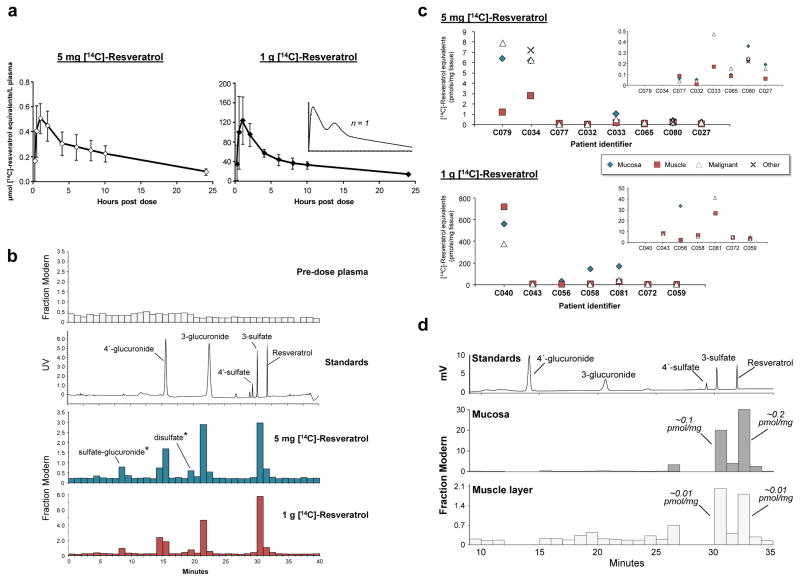
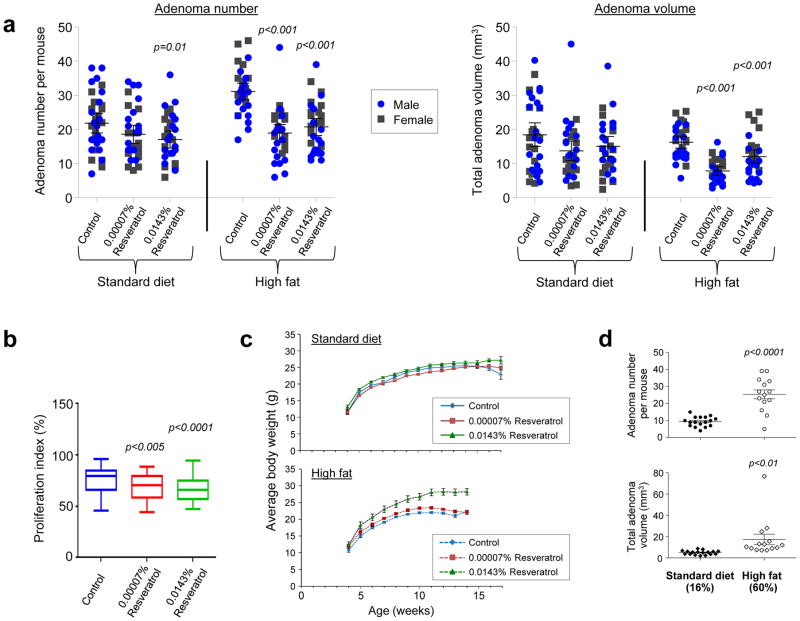
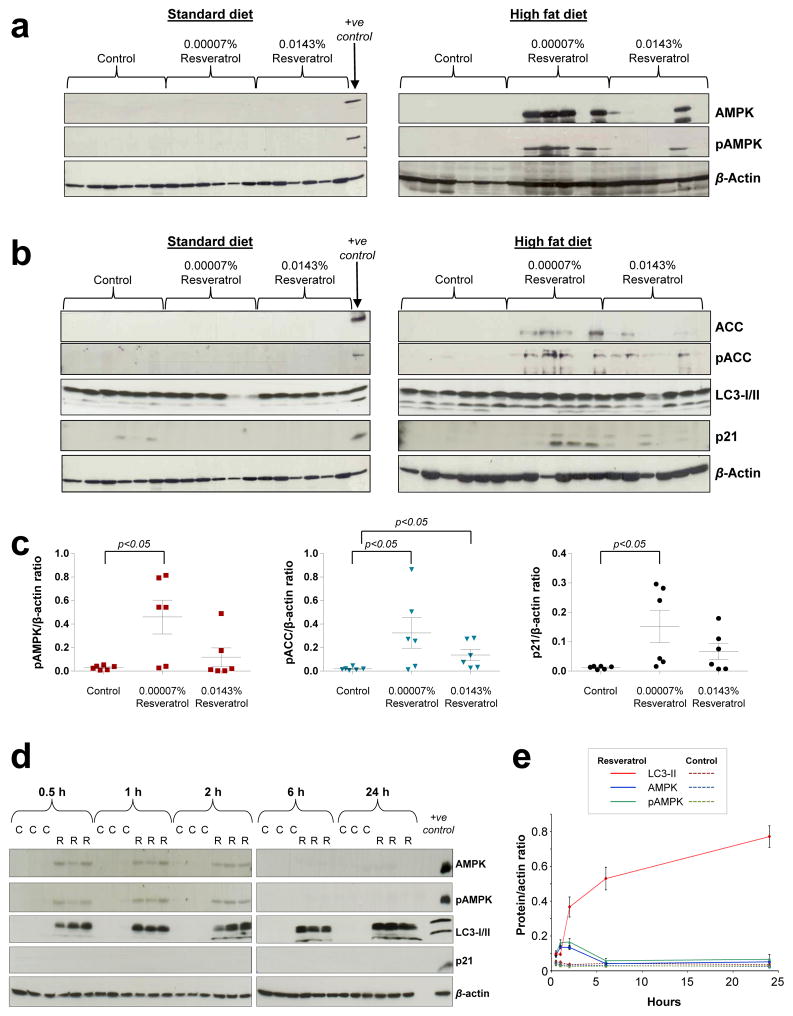
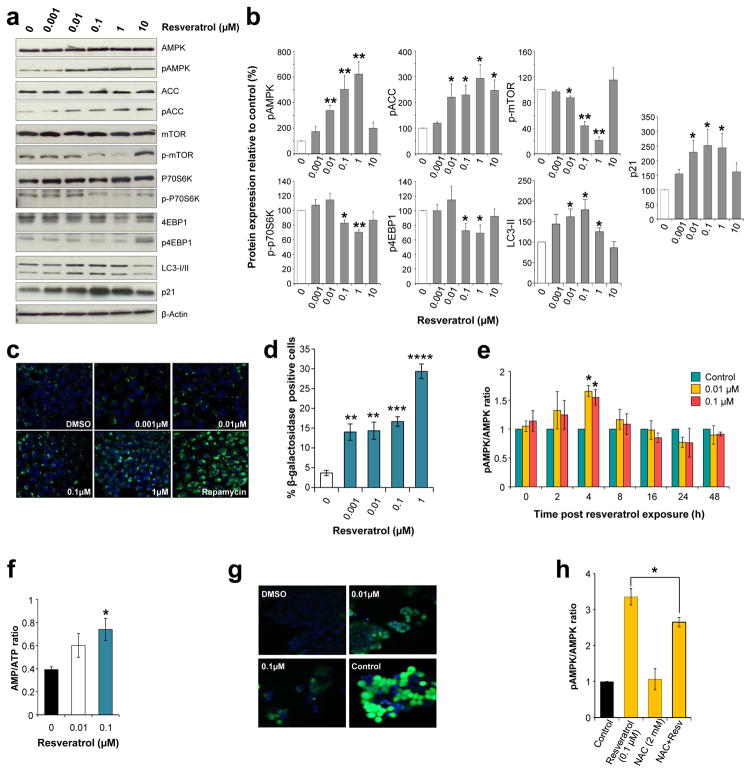
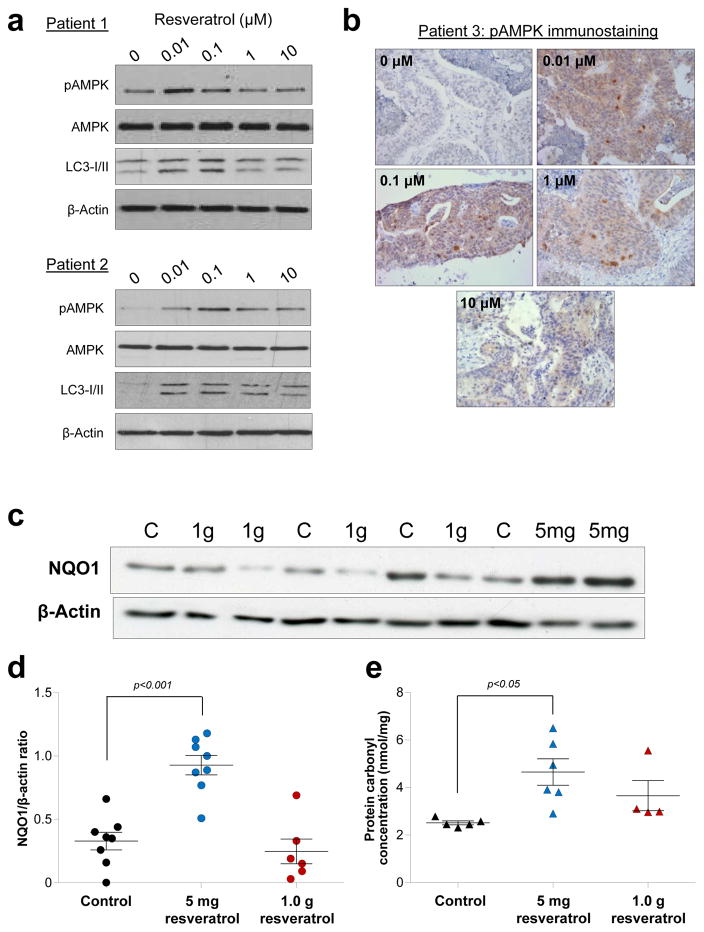
Resveratrol is widely promoted as a potential cancer chemopreventive agent, but a lack of information on the optimal dose prohibits rationally designed trials to assess efficacy. To challenge the assumption that "more is better," we compared the pharmacokinetics and activity of a dietary dose with an intake 200 times higher. The dose-response relationship for concentrations generated and the metabolite profile of [(14)C]-resveratrol in colorectal tissue of cancer patients helped us to define clinically achievable levels. In Apc(Min) mice (a model of colorectal carcinogenesis) that received a high-fat diet, the low resveratrol dose suppressed intestinal adenoma development more potently than did the higher dose. Efficacy correlated with activation of adenosine monophosphate-activated protein kinase (AMPK) and increased expression of the senescence marker p21. Nonlinear dose responses were observed for AMPK and mechanistic target of rapamycin (mTOR) signaling in mouse adenoma cells, culminating in autophagy and senescence. In human colorectal tissues exposed to low dietary concentrations of resveratrol ex vivo, we measured enhanced AMPK phosphorylation and autophagy. The expression of the cytoprotective NAD(P)H dehydrogenase, quinone 1 (NQO1) enzyme was also increased in tissues from cancer patients participating in our [(14)C]-resveratrol trial. These findings warrant a revision of developmental strategies for diet-derived agents designed to achieve cancer chemoprevention.
Copyright © 2015, American Association for the Advancement of Science.
Figures
Comment in
-
Comment on "Cancer chemoprevention: Evidence of a nonlinear dose response for the protective effects of resveratrol in humans and mice".Sci Transl Med. 2016 Aug 3;8(350):350le2. doi: 10.1126/scitranslmed.aaf4379. Sci Transl Med. 2016. PMID: 27488894
-
Response to comment on "Cancer chemoprevention: Evidence of a nonlinear dose response for the protective effects of resveratrol in humans and mice".Sci Transl Med. 2016 Aug 3;8(350):350lr2. doi: 10.1126/scitranslmed.aag2816. Sci Transl Med. 2016. PMID: 27488895
References
-
- Cuzick J, et al. Long-term results of tamoxifen prophylaxis for breast cancer—96-month follow-up of the randomized IBIS-I trial. J Natl Cancer Inst. 2007;99:272–282. - PubMed
-
- Hershman D, Sundararajan V, Jacobson JS, Heitjan DF, Neugut AI, Grann VR. Outcomes of tamoxifen chemoprevention for breast cancer in very high-risk women: a cost effectiveness analysis. J Clin Oncol. 2011;20:9–16. - PubMed
-
- Steinbach G, et al. The effect of celecoxib, a cyclooxygenase-2 inhibitor, in familial adenomatous polyposis. N Engl J Med. 2000;342:1946–1952. - PubMed
-
- Bernstein L, et al. Tamoxifen therapy for breast cancer and endometrial cancer risk. J Natl Cancer Inst. 1999;91:1654–62. - PubMed
-
- Solomon SD, et al. Cardiovascular risk associated with celecoxib in a clinical trial for colorectal adenoma prevention. N Engl J Med. 2005;352:1071–1080. - PubMed
Publication types
MeSH terms
Substances
Grants and funding
LinkOut - more resources
Full Text Sources
Other Literature Sources
Medical
Molecular Biology Databases
Miscellaneous
