


The Characterization of Feces and Urine: A Review of the Literature to Inform Advanced Treatment Technology
- PMID: 26246784
- PMCID: PMC4500995
- DOI: 10.1080/10643389.2014.1000761
The Characterization of Feces and Urine: A Review of the Literature to Inform Advanced Treatment Technology
Abstract
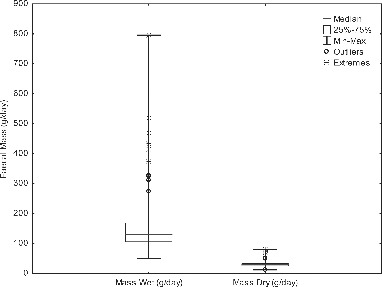
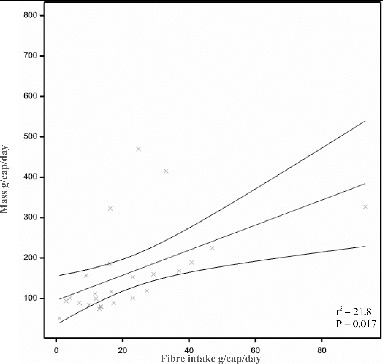
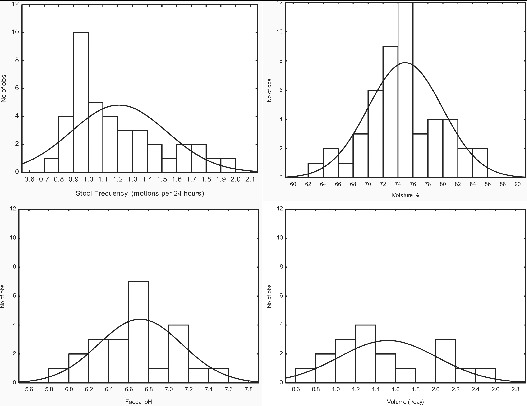
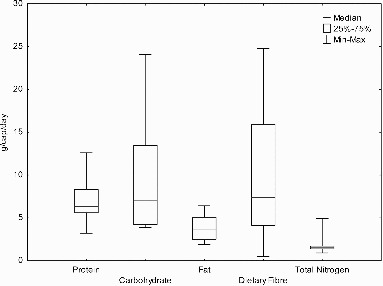
The safe disposal of human excreta is of paramount importance for the health and welfare of populations living in low income countries as well as the prevention of pollution to the surrounding environment. On-site sanitation (OSS) systems are the most numerous means of treating excreta in low income countries, these facilities aim at treating human waste at source and can provide a hygienic and affordable method of waste disposal. However, current OSS systems need improvement and require further research and development. Development of OSS facilities that treat excreta at, or close to, its source require knowledge of the waste stream entering the system. Data regarding the generation rate and the chemical and physical composition of fresh feces and urine was collected from the medical literature as well as the treatability sector. The data were summarized and statistical analysis was used to quantify the major factors that were a significant cause of variability. The impact of this data on biological processes, thermal processes, physical separators, and chemical processes was then assessed. Results showed that the median fecal wet mass production was 128 g/cap/day, with a median dry mass of 29 g/cap/day. Fecal output in healthy individuals was 1.20 defecations per 24 hr period and the main factor affecting fecal mass was the fiber intake of the population. Fecal wet mass values were increased by a factor of 2 in low income countries (high fiber intakes) in comparison to values found in high income countries (low fiber intakes). Feces had a median pH of 6.64 and were composed of 74.6% water. Bacterial biomass is the major component (25-54% of dry solids) of the organic fraction of the feces. Undigested carbohydrate, fiber, protein, and fat comprise the remainder and the amounts depend on diet and diarrhea prevalence in the population. The inorganic component of the feces is primarily undigested dietary elements that also depend on dietary supply. Median urine generation rates were 1.42 L/cap/day with a dry solids content of 59 g/cap/day. Variation in the volume and composition of urine is caused by differences in physical exertion, environmental conditions, as well as water, salt, and high protein intakes. Urine has a pH 6.2 and contains the largest fractions of nitrogen, phosphorus, and potassium released from the body. The urinary excretion of nitrogen was significant (10.98 g/cap/day) with urea the most predominant constituent making up over 50% of total organic solids. The dietary intake of food and fluid is the major cause of variation in both the fecal and urine composition and these variables should always be considered if the generation rate, physical, and chemical composition of feces and urine is to be accurately predicted.
Keywords: fecal characteristics; feces; feces treatment; human excreta; urine; urine characteristics.
Figures

References
-
- Achour L. Nancey S. Moussata D. Graber I. Messing B. Flourie B. Faecal bacterial mass and energetic losses in healthy humans and patients with a short bowel syndrome. European Journal of Clinical Nutrition. 2006;61(2):233–238. - PubMed
-
- AdeOluwa O.O. Cofie O. Urine as an alternative fertilizer in agriculture: Effects in amaranths (Amaranthus caudatus) production. Renewable Agriculture and Food Systems. 2012;27(4):287–294.
-
- Adibi P. Behzad E. Pirzadeh S. Mohseni M. Bowel habit reference values and abnormalities in young Iranian healthy adults. Digestive Diseases and Sciences. 2007;52(8):1810–1813. - PubMed
-
- Ahs J.W. Tao W. Löfgren J. Forsberg B.C. Diarrheal diseases in low- and middle-income countries: Incidence, prevention and management. The Open Infectious Diseases Journal. 2010;4:113–124.
-
- Aichbichler B. Wenzl H. Ana C.A. S. Porter J. Schiller L. Fordtran J. A comparison of stool characteristics from normal and constipated people. Digestive Diseases and Sciences. 1998;43(11):2353–2362. - PubMed
LinkOut - more resources
Full Text Sources
Other Literature Sources
Miscellaneous