. 2016 Aug;16(4):393-8.
doi: 10.1038/tpj.2015.57. Epub 2015 Aug 11.

Attitudes of clinicians following large-scale pharmacogenomics implementation

Affiliations

Attitudes of clinicians following large-scale pharmacogenomics implementation

J F Peterson et al. Pharmacogenomics J. 2016 Aug.

Abstract

Clinician attitudes toward multiplexed genomic testing may be vital to the success of translational programs. We surveyed clinicians at an academic medical center about their views on a large pharmacogenomics implementation, the PREDICT (Pharmacogenomic Resource for Enhanced Decisions in Care and Treatment) program. Participants were asked about test ordering, major factors influencing use of results, expectations of efficacy and responsibility for applying results to patient care. Virtually all respondents (99%) agreed that pharmacogenomics variants influence patients' response to drug therapy. The majority (92%) favored immediate, active notification when a clinically significant drug-genome interaction was present. However, clinicians were divided on which providers were responsible for acting on a result when a prescription change was indicated and whether patients should be directly notified of a significant result. We concluded genotype results were valued for tailoring prescriptions, but clinicians do not agree on how to appropriately assign clinical responsibility for actionable results from a multiplexed panel.The Pharmacogenomics Journal advance online publication, 11 August 2015; doi:10.1038/tpj.2015.57.


Conflict of interest statement

Conflict of Interest Disclosure: The authors declare no conflict of interest.

Figures

Figure 1
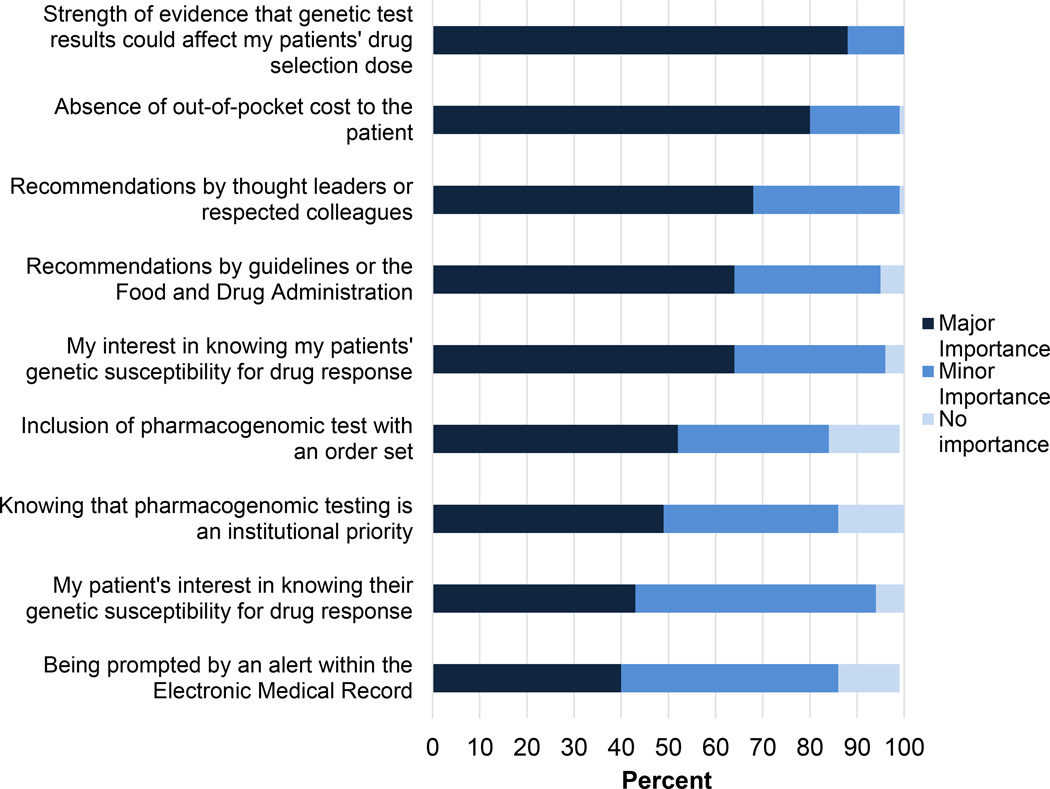
Figure 1. Influential factors reported by clinicians when deciding whether to order a pharmacogenomics panel test
Figure 2
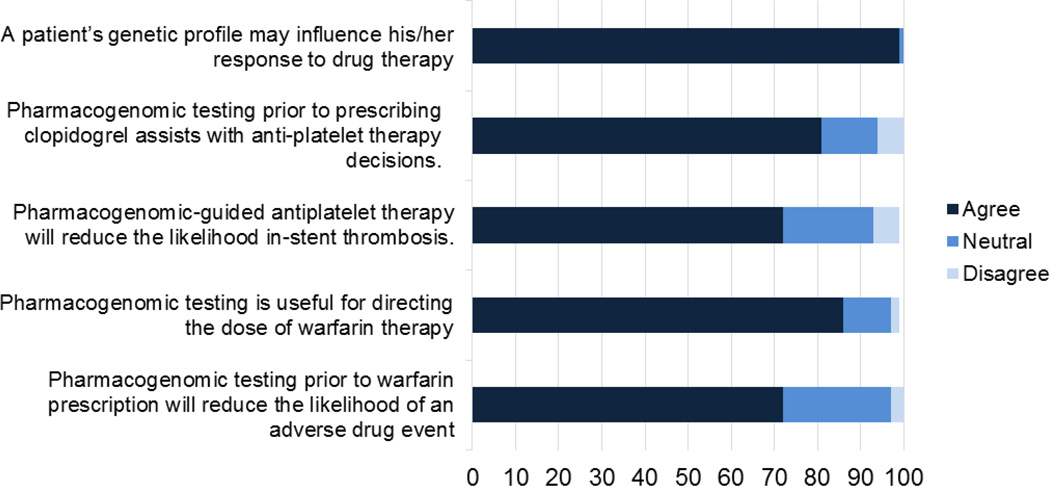
Figure 2. Attitudes towards clinical utility of genomic variants to tailor prescriptions
Likert scale responses indicating strongly agree and strongly disagree are collapsed into agree and disagree categories.
Figure 3
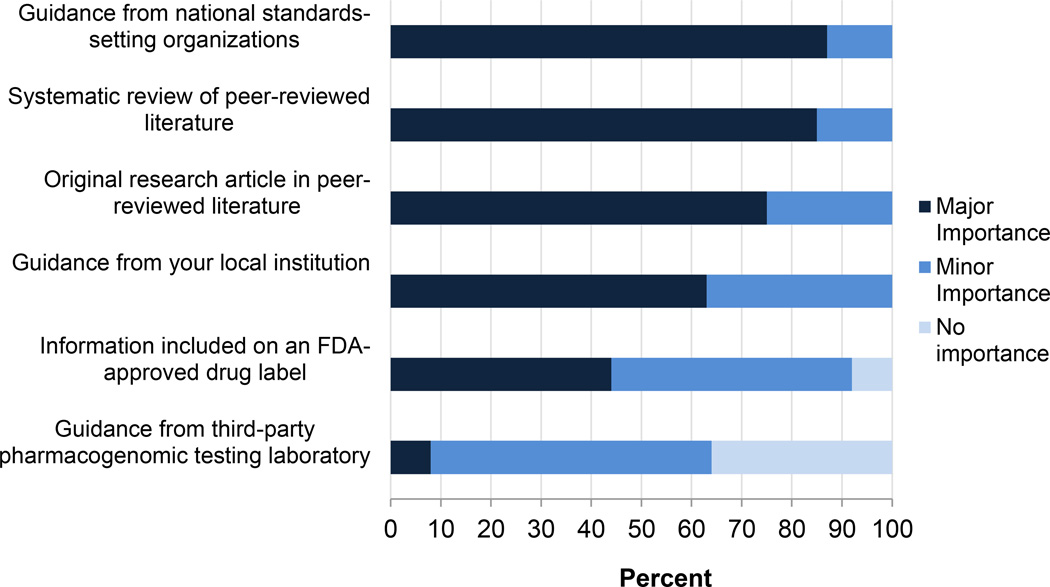
Figure 3. Influential factors reported by clinicians when deciding to use pharmacogenomic variants to tailor therapy

References

    1. Pulley JM, Denny JC, Peterson JF, Bernard GR, Vnencak-Jones CL, Ramirez AH, et al. Operational implementation of prospective genotyping for personalized medicine: the design of the Vanderbilt PREDICT project. Clin Pharmacol Ther. 2012;92:87–95. - PMC - PubMed
    1. Peterson JF, Bowton E, Field JR, Beller M, Mitchell J, Schildcrout J, et al. Electronic health record design and implementation for pharmacogenomics: a local perspective. Genet Med. 2013;15:833–841. - PMC - PubMed
    1. Shuldiner AR, Relling MV, Peterson JF, Hicks K, Freimuth RR, Sadee W, et al. The Pharmacogenomics Research Network Translational Pharmacogenetics Program: Overcoming Challenges of Real-World Implementation. Clinical Pharmacology & Therapeutics. 2013;94:207–210. - PMC - PubMed
    1. Rasmussen-Torvik LJ, Stallings SC, Gordon AS, Almoguera B, Basford MA, Bielinski SJ, et al. Design and Anticipated Outcomes of the eMERGE-PGx Project: A Multi-Center Pilot for Pre-Emptive Pharmacogenomics in Electronic Health Record Systems. Clin Pharmacol Ther. 2014 - PMC - PubMed
    1. Bell GC, Crews KR, Wilkinson MR, Haidar CE, Hicks JK, Baker DK, et al. Development and use of active clinical decision support for preemptive pharmacogenomics. J Am Med Inform Assoc. 2014;21:e93–e99. - PMC - PubMed

Publication types

MeSH terms