


Review: Mechanisms of How the Intestinal Microbiota Alters the Effects of Drugs and Bile Acids
- PMID: 26261286
- PMCID: PMC4576672
- DOI: 10.1124/dmd.115.065698
Review: Mechanisms of How the Intestinal Microbiota Alters the Effects of Drugs and Bile Acids
Abstract
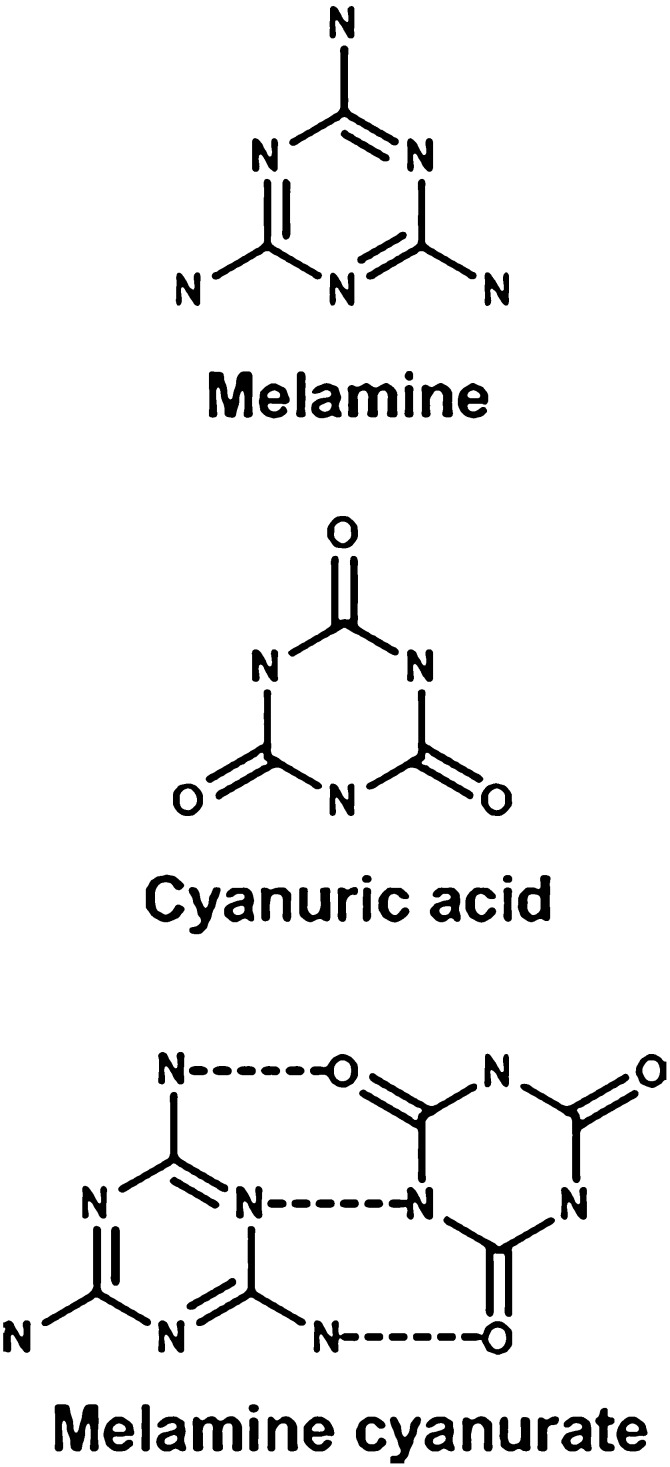
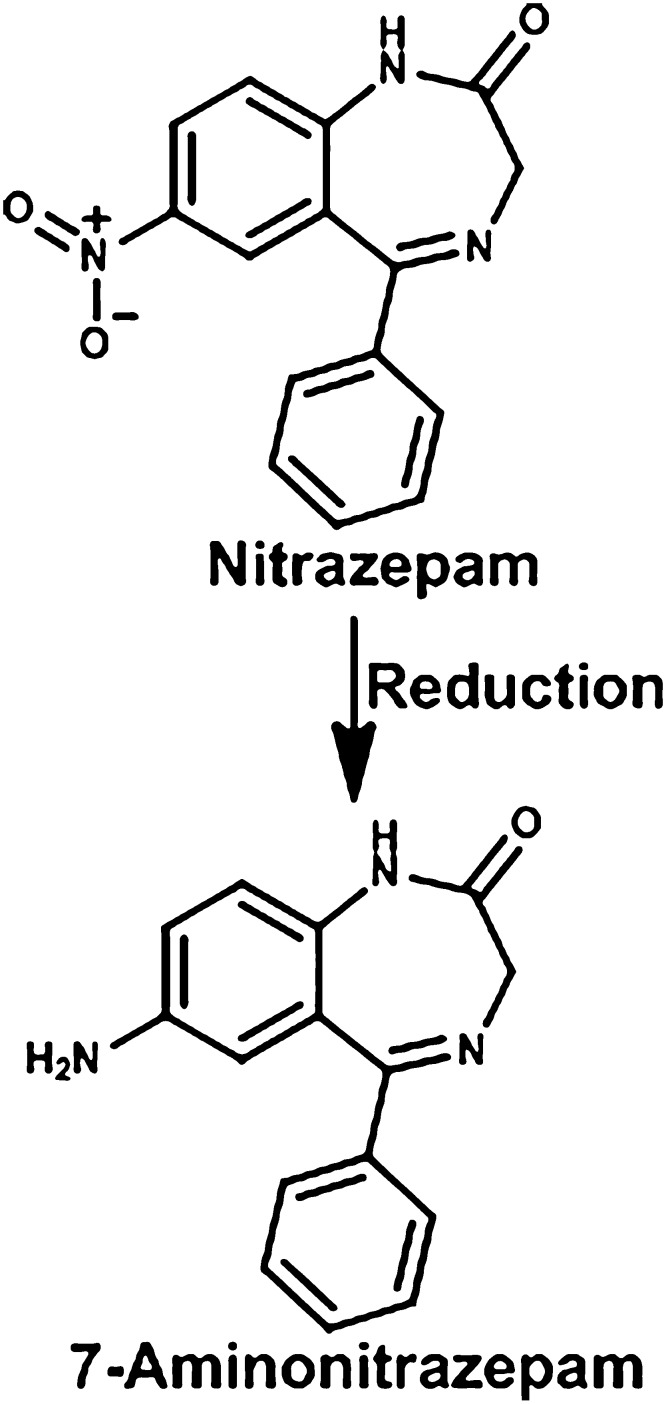
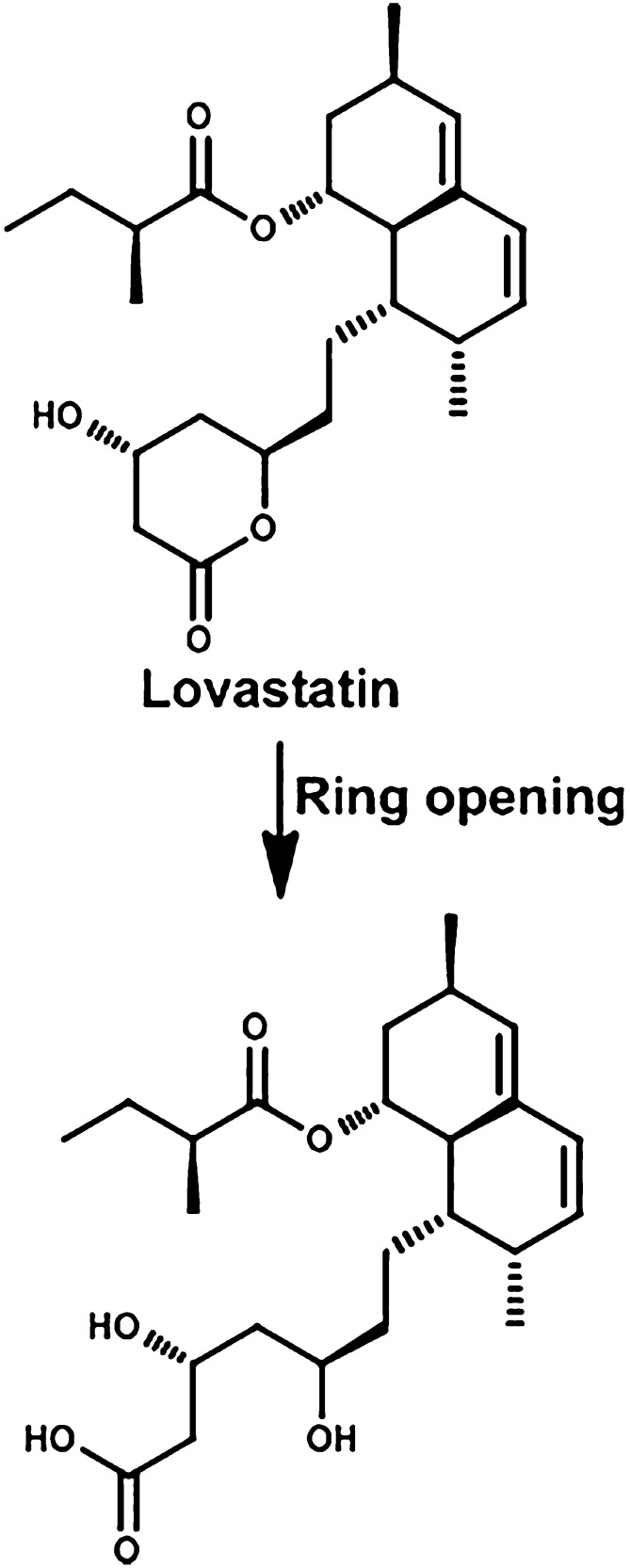
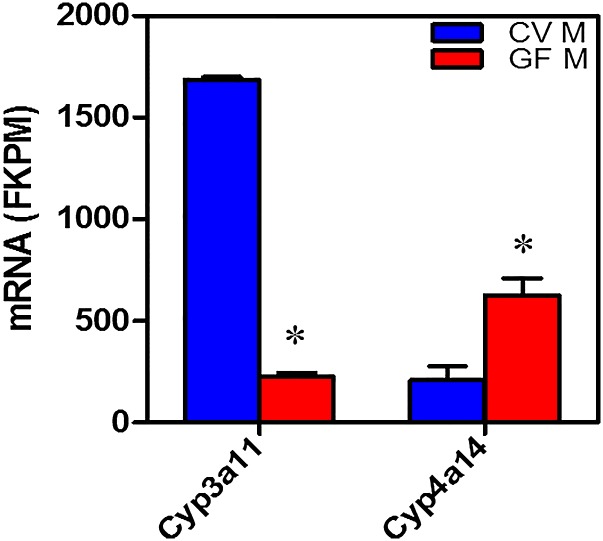
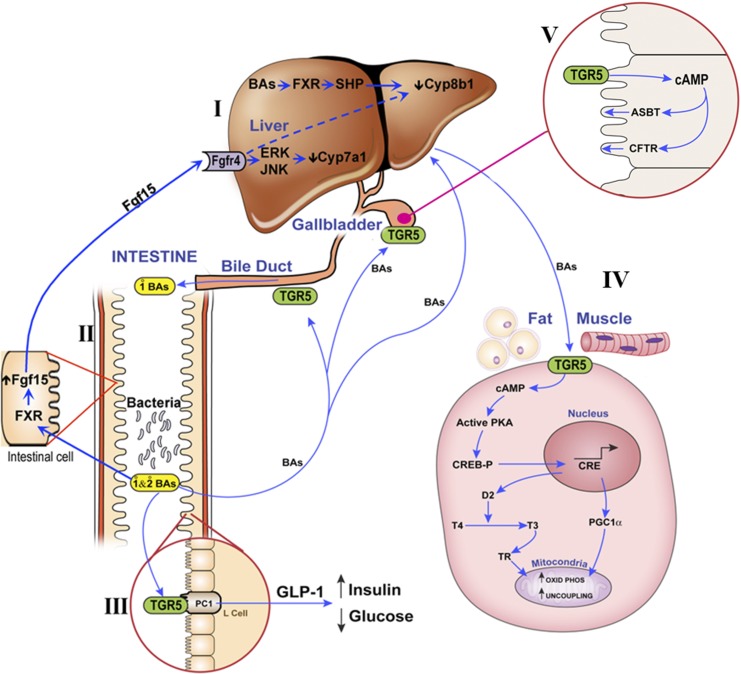
Information on the intestinal microbiota has increased exponentially this century because of technical advancements in genomics and metabolomics. Although information on the synthesis of bile acids by the liver and their transformation to secondary bile acids by the intestinal microbiota was the first example of the importance of the intestinal microbiota in biotransforming chemicals, this review will discuss numerous examples of the mechanisms by which the intestinal microbiota alters the pharmacology and toxicology of drugs and other chemicals. More specifically, the altered pharmacology and toxicology of salicylazosulfapridine, digoxin, l-dopa, acetaminophen, caffeic acid, phosphatidyl choline, carnitine, sorivudine, irinotecan, nonsteroidal anti-inflammatory drugs, heterocyclic amines, melamine, nitrazepam, and lovastatin will be reviewed. In addition, recent data that the intestinal microbiota alters drug metabolism of the host, especially Cyp3a, as well as the significance and potential mechanisms of this phenomenon are summarized. The review will conclude with an update of bile acid research, emphasizing the bile acid receptors (FXR and TGR5) that regulate not only bile acid synthesis and transport but also energy metabolism. Recent data indicate that by altering the intestinal microbiota, either by diet or drugs, one may be able to minimize the adverse effects of the Western diet by altering the composition of bile acids in the intestine that are agonists or antagonists of FXR and TGR5. Therefore, it may be possible to consider the intestinal microbiota as another drug target.
Copyright © 2015 by The American Society for Pharmacology and Experimental Therapeutics.
Figures




References
-
- Bakke OM. (1971) Degradation of DOPA by intestinal microorganisms in vitro. Acta Pharmacol Toxicol (Copenh) 30:115–121. - PubMed
-
- Begley M, Gahan CG, Hill C. (2005) The interaction between bacteria and bile. FEMS Microbiol Rev 29:625–651. - PubMed
-
- Behnsen J, Raffatellu M. (2013) Keeping the peace: aryl hydrocarbon receptor signaling modulates the mucosal microbiota. Immunity 39:206–207. - PubMed
Publication types
MeSH terms
Substances
Grants and funding
LinkOut - more resources
Full Text Sources
Other Literature Sources
Medical
