


Vitamin D3 supplementation in HIV infection: effectiveness and associations with antiretroviral therapy
- PMID: 26283663
- PMCID: PMC4538921
- DOI: 10.1186/s12937-015-0072-6
Vitamin D3 supplementation in HIV infection: effectiveness and associations with antiretroviral therapy
Abstract
Background: HIV infection and antiretroviral therapy (ART) may create unique risk factors for vitamin D insufficiency, including alterations of vitamin D metabolism by ART. We prospectively compared demographic and clinical parameters between vitamin D sufficient and insufficient HIV-infected (HIV+) adults, and assessed changes in these parameters among insufficient participants following standardized vitamin D supplementation.
Methods: HIV+ adults (≥ 18 years old) with HIV-1 RNA <50 copies/mL on ART were enrolled. Vitamin D sufficiency and insufficiency were defined as 25-hydroxyvitamin D (25(OH)D) ≥ 30 or <30 ng/mL, respectively. Insufficient participants received open-label vitamin D3 50,000 IU twice weekly for 5 weeks, then 8000 IU twice weekly to complete 24 weeks. The primary endpoint was success or failure to achieve 25(OH)D ≥ 30 ng/mL at week 24.
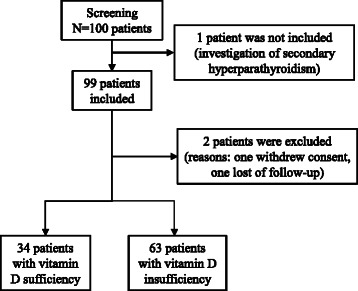
Results: Ninety-seven participants enrolled (34 vitamin D sufficient, 63 insufficient); 32% female, 47% non-White, median age 46 years, ART duration 5 years, CD4+ T lymphocyte count (CD4) 673 cells/mm(3). 25(OH)D repletion was 83% (95% CI 71%-90%) successful. 25(OH)D levels correlated with both CD4 (r = 0.44, p = 0.01) and time on protease inhibitor (r = -0.35, p = 0.01). After adjusting for age, sex, race, nadir CD4 and baseline 25(OH)D: 1) current use of efavirenz exposure was associated with a 21.1 ng/mL higher week 24 25(OH)D level (p = 0.007), 2) per year use of zidovudine was associated with 7.1 ng/mL reduction in week 24 serum 25(OH)D (p = 0.05) and 3) every 1 ng/mL 25(OH)D increase was associated with a 3.3 cell/mm(3) CD4 increase (p = 0.06).
Conclusion: Vitamin D3 supplementation was effective in repleting 25(OH)D levels after 24 weeks. Current efavirenz use was positively associated with post-repletion 25(OH)D levels, while greater time on zidovudine was associated with lower post-repletion 25(OH)D levels. The association between improved CD4 recovery and vitamin D repletion suggests a potential benefit of vitamin D supplementation on immunologic recovery during HIV treatment.
Trial registration: This trial is registered at The Brazilian Clinical Trials Registry (U1111-1165-2537).
Figures
References
Publication types
MeSH terms
Substances
Associated data
Grants and funding
LinkOut - more resources
Full Text Sources
Other Literature Sources
Medical
Research Materials
