


Tangential Flow Ultrafiltration Allows Purification and Concentration of Lauric Acid-/Albumin-Coated Particles for Improved Magnetic Treatment
- PMID: 26287178
- PMCID: PMC4581297
- DOI: 10.3390/ijms160819291
Tangential Flow Ultrafiltration Allows Purification and Concentration of Lauric Acid-/Albumin-Coated Particles for Improved Magnetic Treatment
Abstract
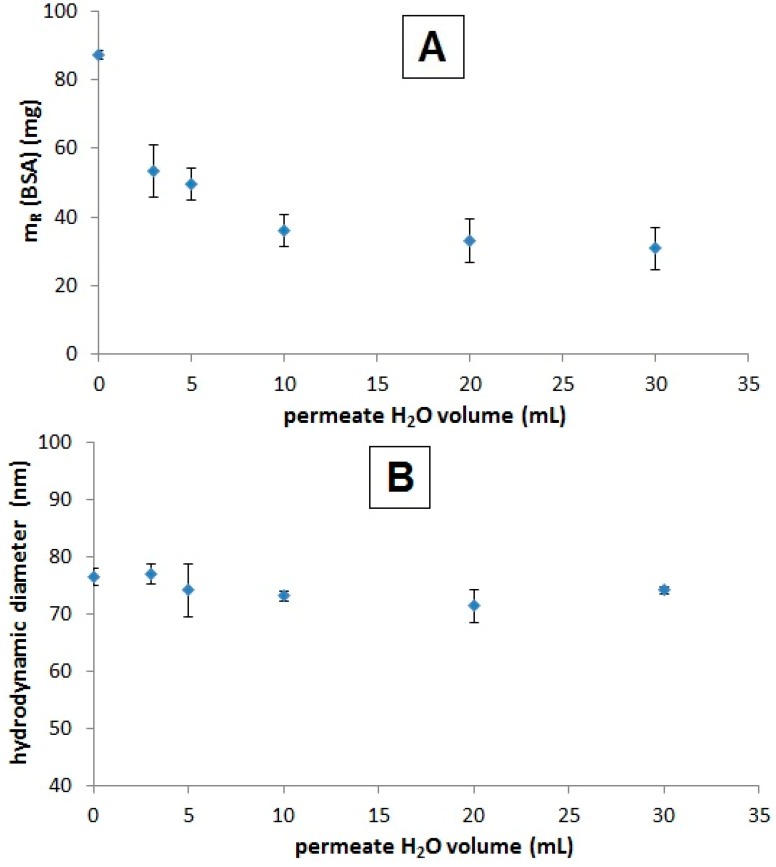
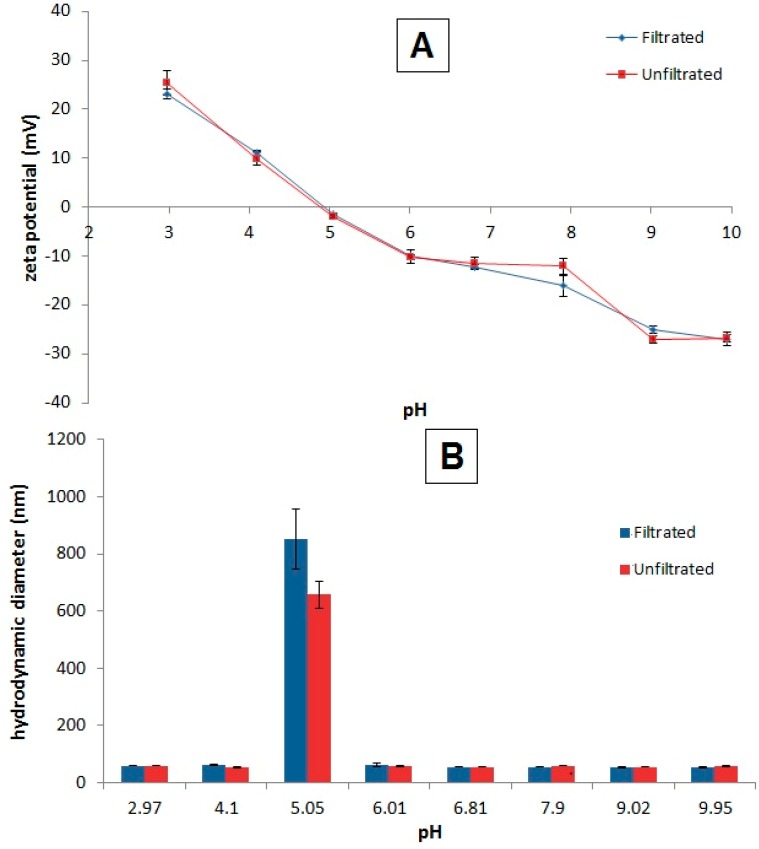
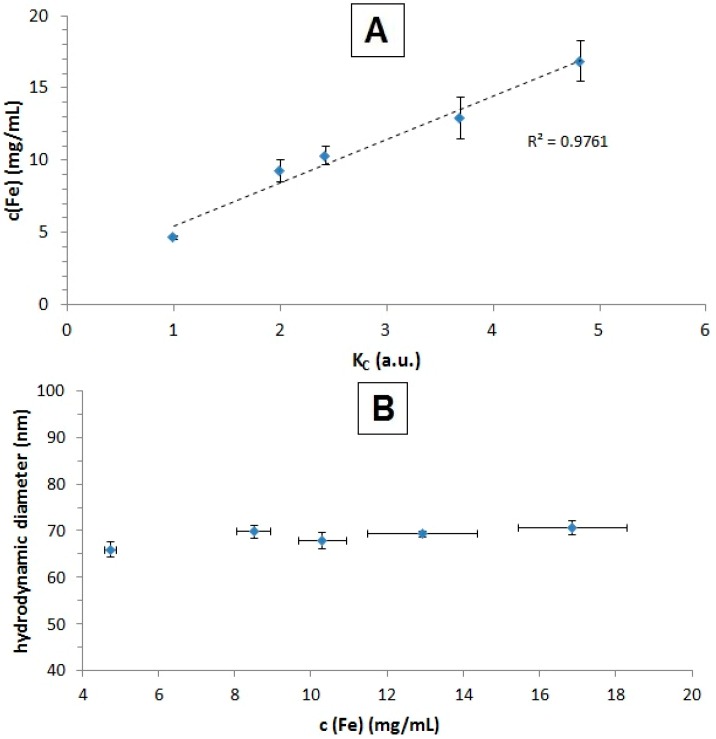
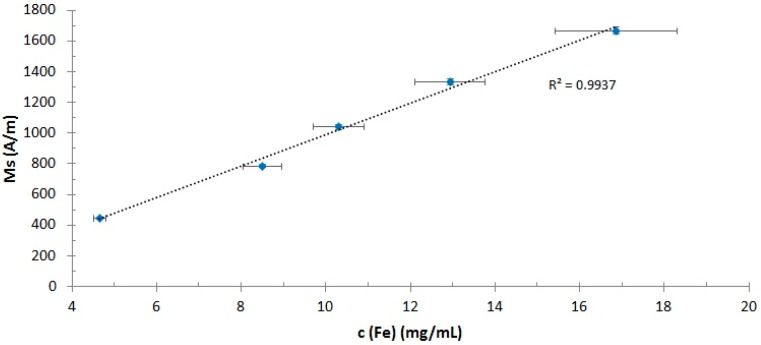
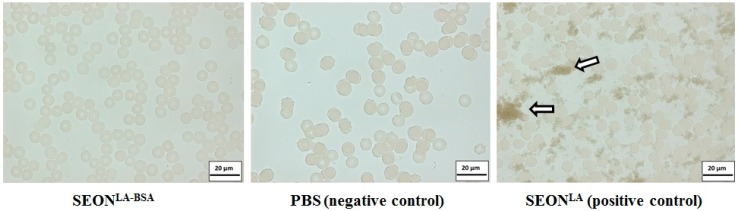
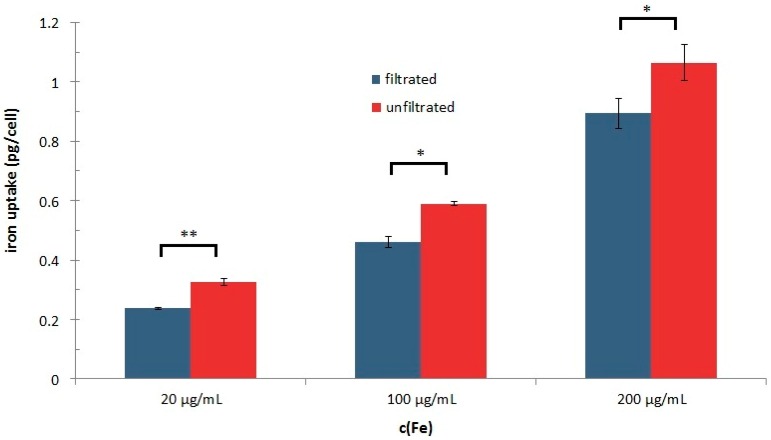
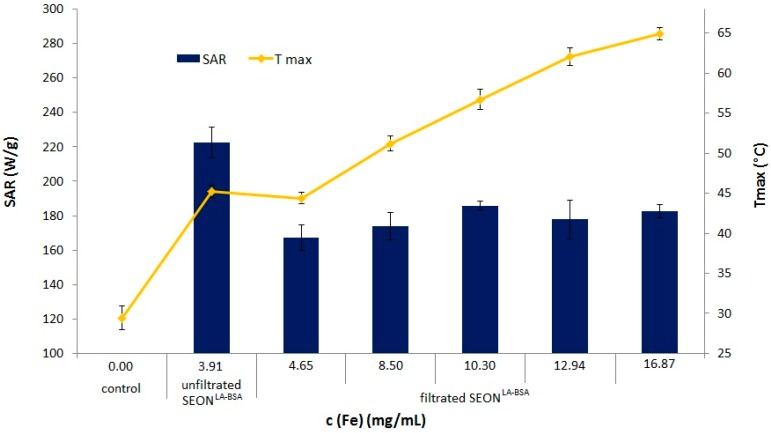
Superparamagnetic iron oxide nanoparticles (SPIONs) are frequently used for drug targeting, hyperthermia and other biomedical purposes. Recently, we have reported the synthesis of lauric acid-/albumin-coated iron oxide nanoparticles SEON(LA-BSA), which were synthesized using excess albumin. For optimization of magnetic treatment applications, SPION suspensions need to be purified of excess surfactant and concentrated. Conventional methods for the purification and concentration of such ferrofluids often involve high shear stress and low purification rates for macromolecules, like albumin. In this work, removal of albumin by low shear stress tangential ultrafiltration and its influence on SEON(LA-BSA) particles was studied. Hydrodynamic size, surface properties and, consequently, colloidal stability of the nanoparticles remained unchanged by filtration or concentration up to four-fold (v/v). Thereby, the saturation magnetization of the suspension can be increased from 446.5 A/m up to 1667.9 A/m. In vitro analysis revealed that cellular uptake of SEON(LA-BSA) changed only marginally. The specific absorption rate (SAR) was not greatly affected by concentration. In contrast, the maximum temperature Tmax in magnetic hyperthermia is greatly enhanced from 44.4 °C up to 64.9 °C by the concentration of the particles up to 16.9 mg/mL total iron. Taken together, tangential ultrafiltration is feasible for purifying and concentrating complex hybrid coated SPION suspensions without negatively influencing specific particle characteristics. This enhances their potential for magnetic treatment.
Keywords: hyperthermia; nanoparticle concentration; nanoparticle purification; specific absorption rate (SAR); superparamagnetic iron oxide nanoparticles (SPIONs); tangential ultrafiltration.
Figures
References
-
- Lyer S., Tietze R., Jurgons R., Struffert T., Engelhorn T., Schreiber E., Dorfler A., Alexiou C. Visualisation of tumour regression after local chemotherapy with magnetic nanoparticles—A pilot study. Anticancer Res. 2010;30:1553–1557. - PubMed
-
- Lee I.J., Ahn C.H., Cha E.J., Chung I.J., Chung J.W., Kim Y.I. Improved drug targeting to liver tumors after intra-arterial delivery using superparamagnetic iron oxide and iodized oil: Preclinical study in a rabbit model. Investig. Radiol. 2013;48:826–833. doi: 10.1097/RLI.0b013e31829c13ef. - DOI - PubMed
Publication types
MeSH terms
Substances
LinkOut - more resources
Full Text Sources
Other Literature Sources
Miscellaneous
