


Butane Hash Oil Burns Associated with Marijuana Liberalization in Colorado
- PMID: 26289652
- PMCID: PMC4675612
- DOI: 10.1007/s13181-015-0501-0
Butane Hash Oil Burns Associated with Marijuana Liberalization in Colorado
Abstract
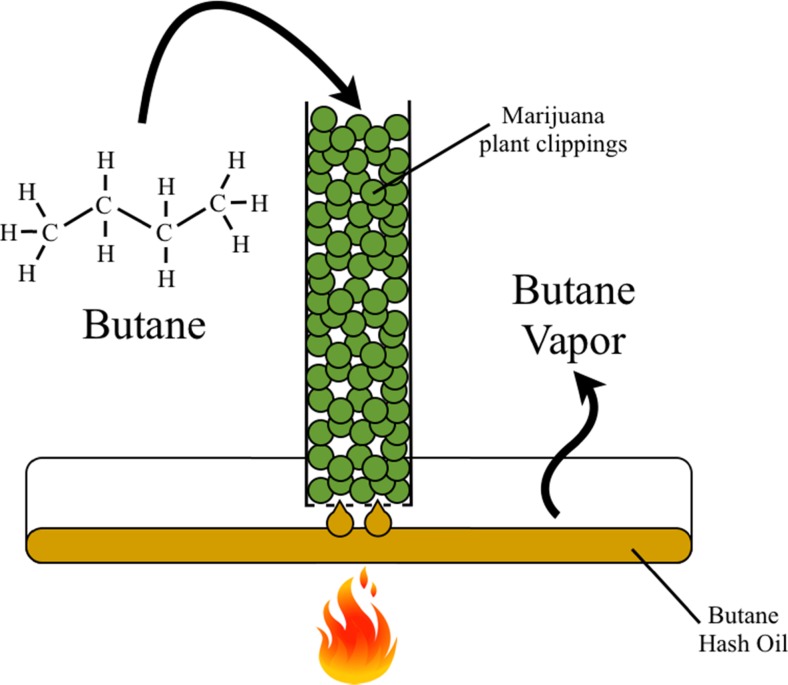
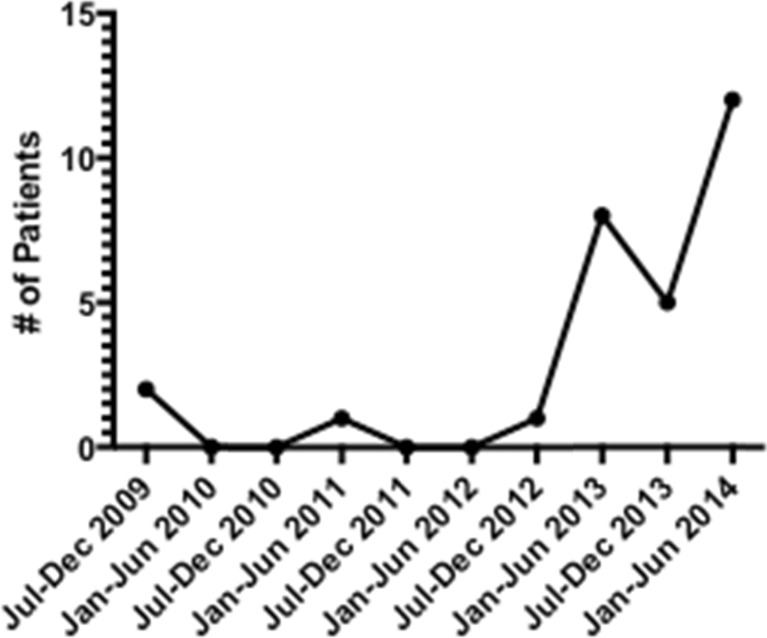
Butane hash oil (BHO), also known as "amber," "dab," "glass," "honey," "shatter," or "wax," is a potent marijuana concentrate, containing up to 90 % tetrahydrocannabinol (THC). BHO is easily manufactured using highly volatile butane as a solvent. Our objective was to characterize hydrocarbon burns associated with BHO manufacture in Colorado. This was a cross-sectional study utilizing the National Burn Repository to capture all hydrocarbon burns reported to the local burn center from January 1st, 2008, through August 31st, 2014. We abstracted demographic and clinical variables from medical records for patients admitted for hydrocarbon burns associated with butane hash oil extraction. Twenty-nine cases of BHO burns were admitted to the local burn center during the study period. Zero cases presented prior to medical liberalization, 19 (61.3 %) during medical liberalization (Oct 2009-Dec 2013), and 12 (38.7 %) in 2014 since legalization. The majority of cases were Caucasian (72.4 %) males (89.7 %). Median age was 26 (range 15-58). The median total-body-surface-area (TBSA) burn size was 10 % (TBSA range 1-90 %). Median length of hospital admission was 10 days. Six required intubation for airway protection (21 %). Nineteen required skin grafting, eight wound care only, one required surgical fracture repair, and one required surgical debridement. Hydrocarbon burns associated with hash oil production have increased since the liberalization of marijuana policy in Colorado. A combination of public health messaging, standardization of manufacturing processes, and worker safety regulations are needed to decrease the risks associated with BHO production.
Keywords: Burn; Butane hash oil; Colorado; Marijuana; THC.
Figures
References
-
- Colorado Constitution, Amendment 20. In: DOJ, editor. Denver, CO; 2000.
-
- Colorado Constitution, Amendment 64. In: DOJ, editor. Denver, CO; 2012.
Publication types
MeSH terms
Substances
Grants and funding
LinkOut - more resources
Full Text Sources
Other Literature Sources
Research Materials
