


Sonorensin: A new bacteriocin with potential of an anti-biofilm agent and a food biopreservative
- PMID: 26292786
- PMCID: PMC4544038
- DOI: 10.1038/srep13412
Sonorensin: A new bacteriocin with potential of an anti-biofilm agent and a food biopreservative
Abstract
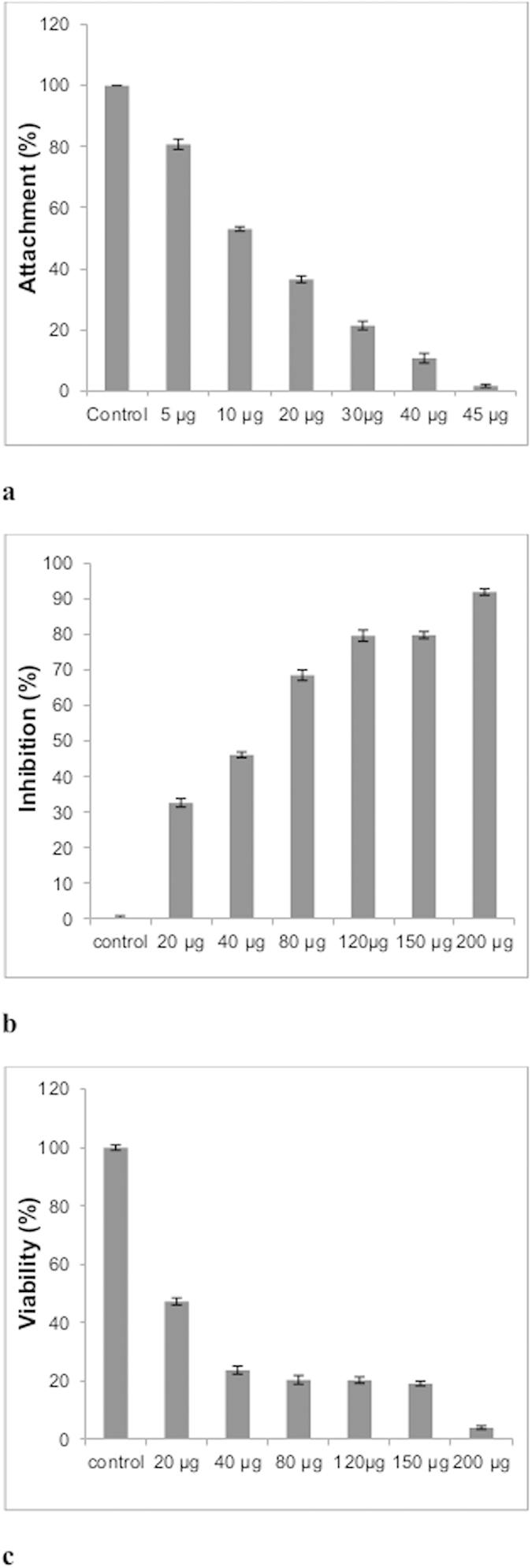
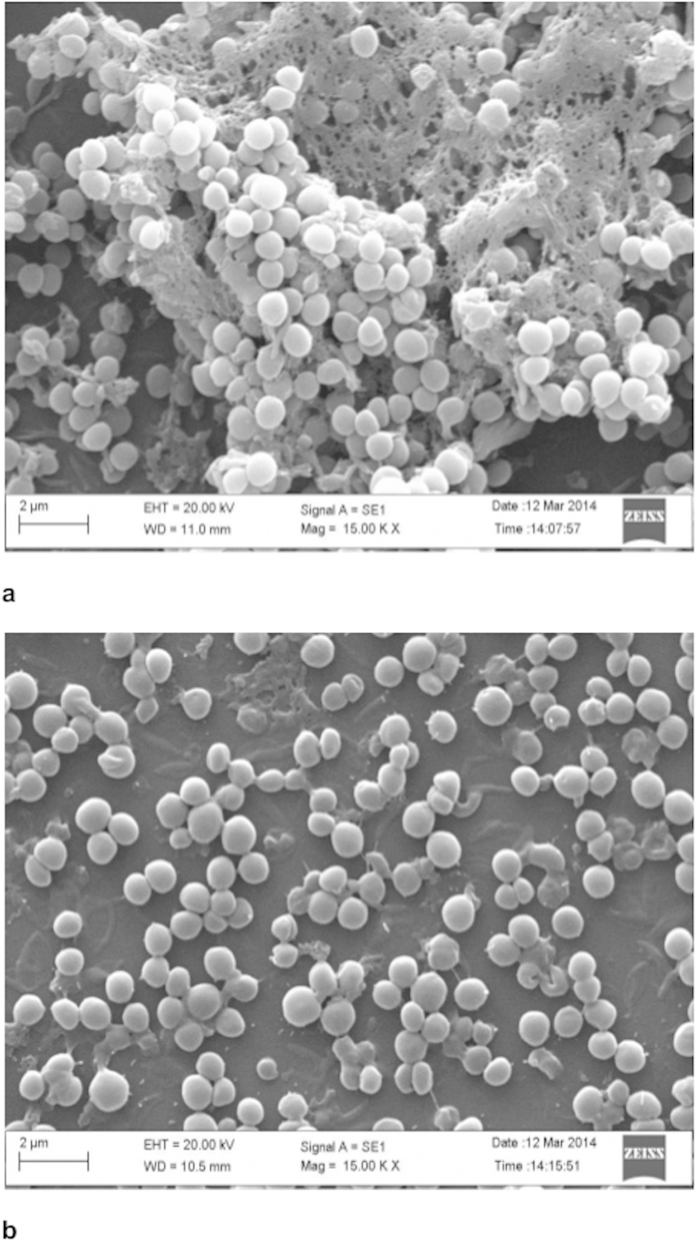
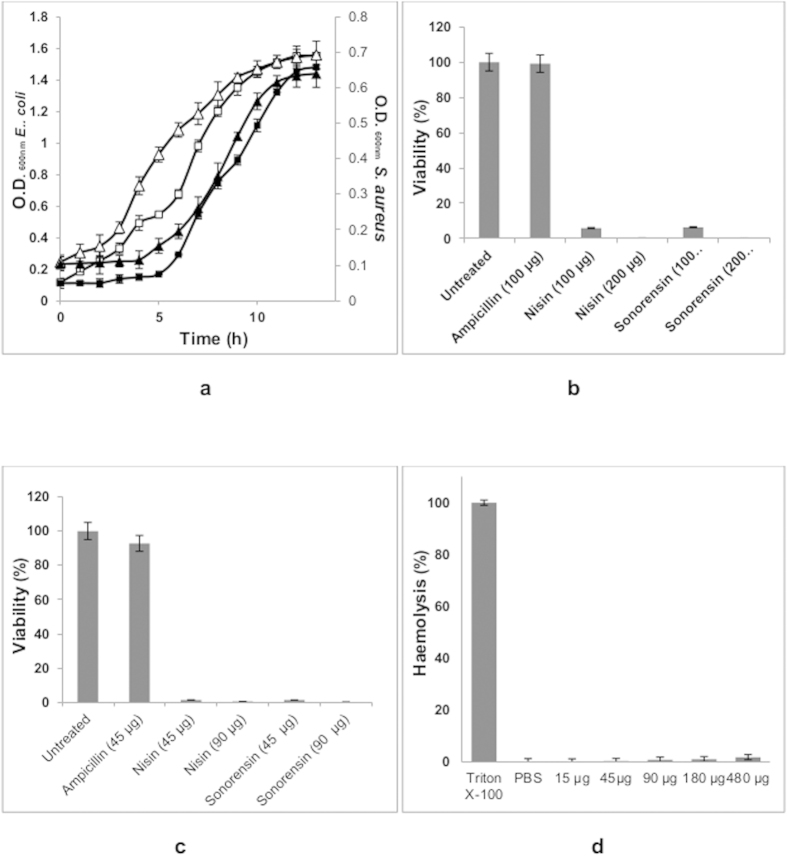
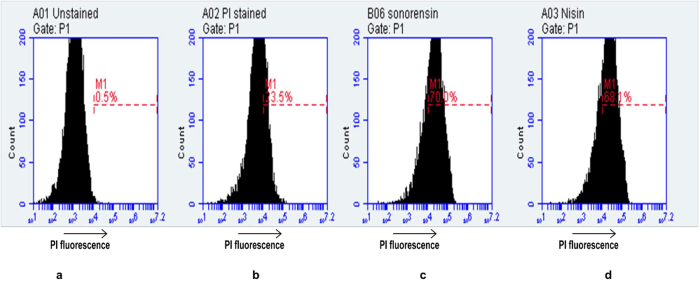
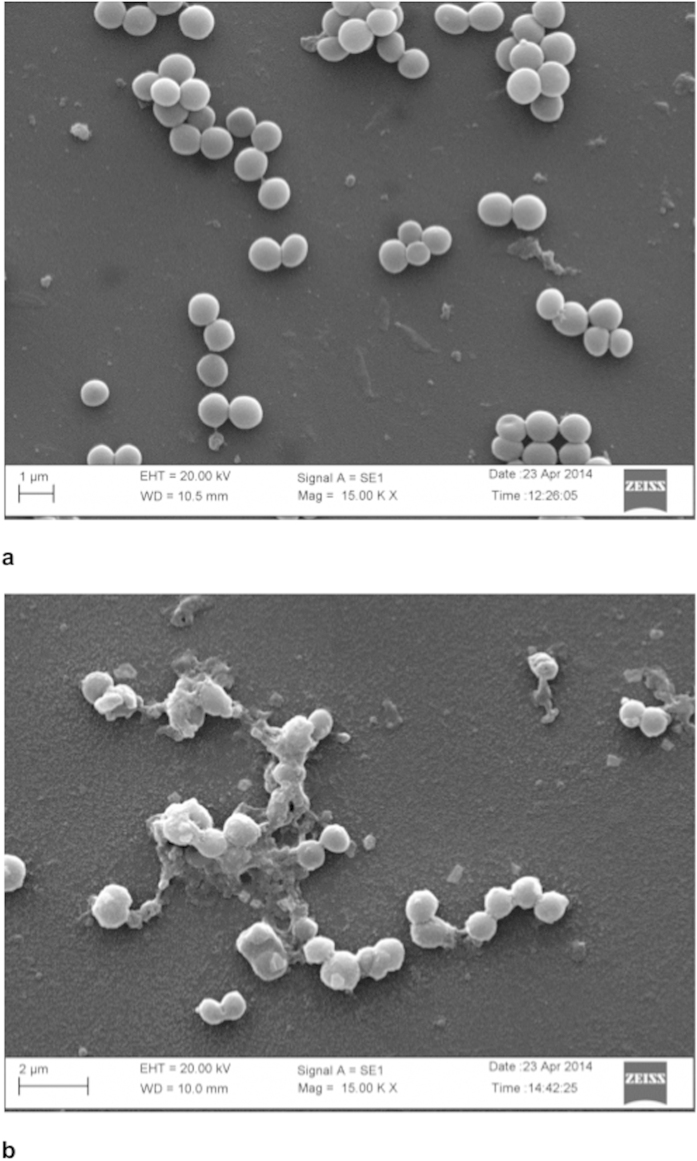
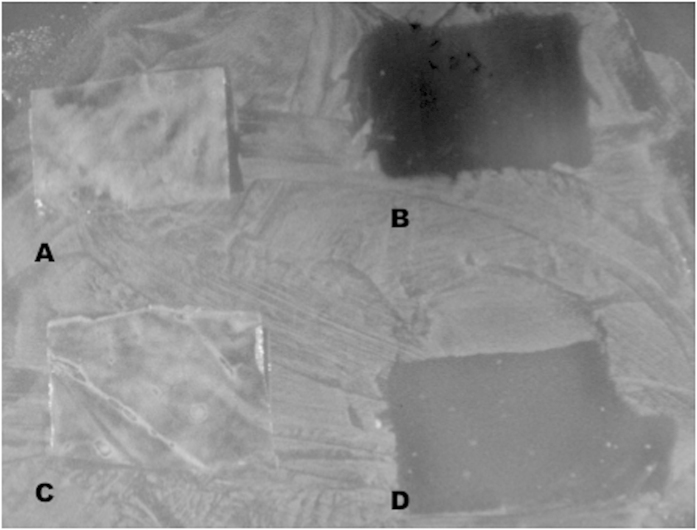
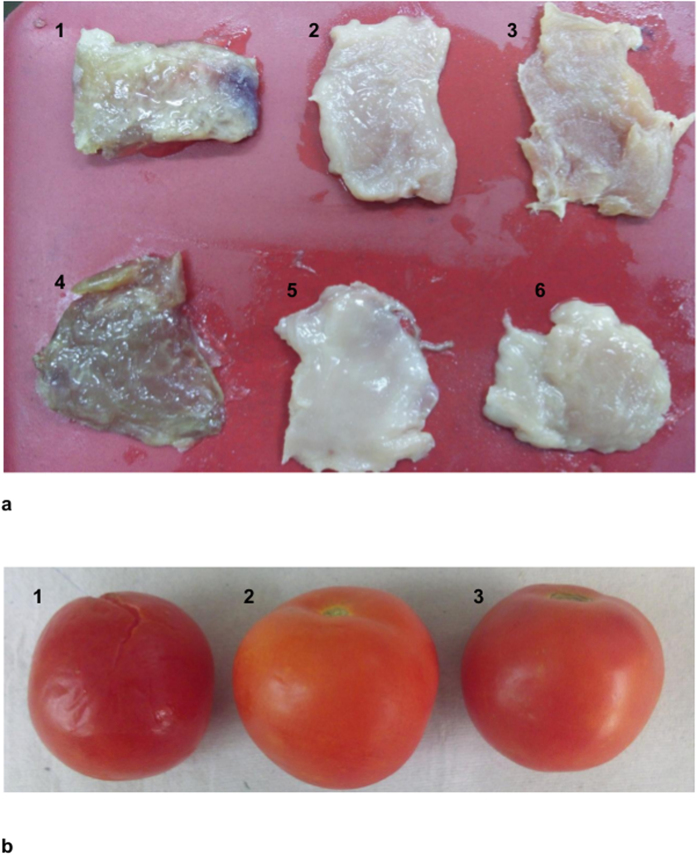
The emergence of antibiotic resistant bacteria has led to exploration of alternative therapeutic agents such as ribosomally synthesized bacterial peptides known as bacteriocins. Biofilms, which are microbial communities that cause serious chronic infections, form environments that enhance antimicrobial resistance. Bacteria in biofilm can be upto thousand times more resistant to antibiotics than the same bacteria circulating in a planktonic state. In this study, sonorensin, predicted to belong to the heterocycloanthracin subfamily of bacteriocins, was found to be effectively killing active and non-multiplying cells of both Gram-positive and Gram-negative bacteria. Sonorensin showed marked inhibition activity against biofilm of Staphylococcus aureus. Fluorescence and electron microscopy suggested that growth inhibition occurred because of increased membrane permeability. Low density polyethylene film coated with sonorensin was found to effectively control the growth of food spoilage bacteria like Listeria monocytogenes and S. aureus. The biopreservative effect of sonorensin coated film showing growth inhibition of spoilage bacteria in chicken meat and tomato samples demonstrated the potential of sonorensin as an alternative to current antibiotics/ preservatives.
Figures
References
-
- Hall-Stoodley L., Costerton J. W. & Stoodley P. Bacterial biofilms: from the natural environment to infectious diseases. Nature Rev. Microbiol. 2, 95–108 (2004). - PubMed
-
- Stewart P. S. & Costerton J. W. Antibiotic resistance of bacteria in biofilms. Lancet 358, 135–138 (2001). - PubMed
-
- Giaouris E. D. & Nychas G. J. E. The adherence of Salmonella enteritidis PT4 to stainless steel: the importance of the air-liquid interface and nutrient availability. Food Microbiol. 23, 747–752 (2006). - PubMed
MeSH terms
Substances
LinkOut - more resources
Full Text Sources
Other Literature Sources
