


Epidemiological Characteristics of Work-Related Ocular Trauma in Southwest Region of China
- PMID: 26295403
- PMCID: PMC4555316
- DOI: 10.3390/ijerph120809864
Epidemiological Characteristics of Work-Related Ocular Trauma in Southwest Region of China
Abstract
Purpose: To determine the epidemiological characteristics of work-related eye injury in representative southwest region of China.
Methods: Patients with eye injuries treated at the Ninth People's Hospital of Chongqing from 1 January 2014 to 31 December 2014 were included in the current study. All patients completed a comprehensive examination and interview. Demographic characteristics and injury details were recorded. The International Classification of Diseases (ICD-10) and Birmingham Eye Trauma Terminology (BETT) were used.
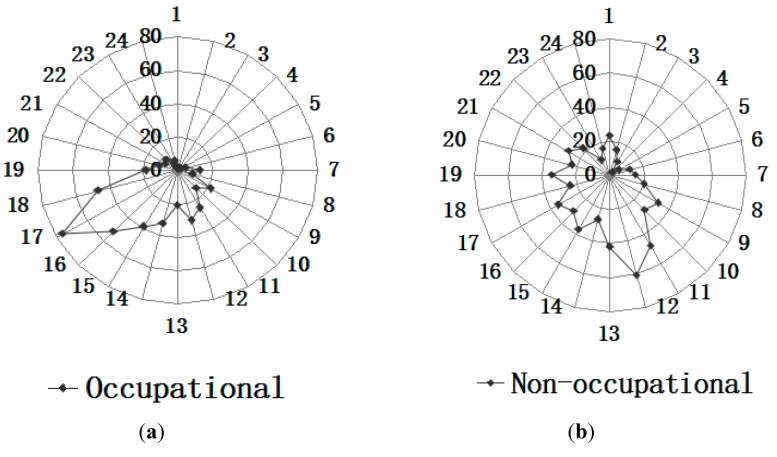
Results: The average age of eye injury patients was 37.52 years and the majority were male. Among the 1055 total patients, approximately 42.9% of the injuries were work-related. The highest proportion of occupational eye trauma was observed in the group between 36 and 45 years of age. Occupational ocular trauma occurred more frequently in summer, with most from 16:00 to 18:00. Metal was the most common injury cause. Foreign body on external eye was the most common diagnosis. Workers in the manufacturing industry without pre-work safety training or eye protection were far more likely to suffer from occupational ocular trauma than those with training and protection.
Conclusions: This study provides insight into the epidemiological characteristics of occupational ocular trauma in southwest region of China. The current findings might be considered as a baseline for future research on regional work-related eye injuries. Our findings will provide valuable information for further development of preventive strategies.
Keywords: epidemiology; eye injuries; occupational health; ocular trauma; work-related.
Figures




References
-
- Peate W.F. Work-related eye injuries and illness. Am. Fam. Physician. 2007;75:1017–1022. - PubMed
Publication types
MeSH terms
LinkOut - more resources
Full Text Sources
Other Literature Sources
Medical
