


Sesterterpenoids with Anticancer Activity
- PMID: 26295461
- PMCID: PMC4955362
- DOI: 10.2174/0929867322666150821101047
Sesterterpenoids with Anticancer Activity
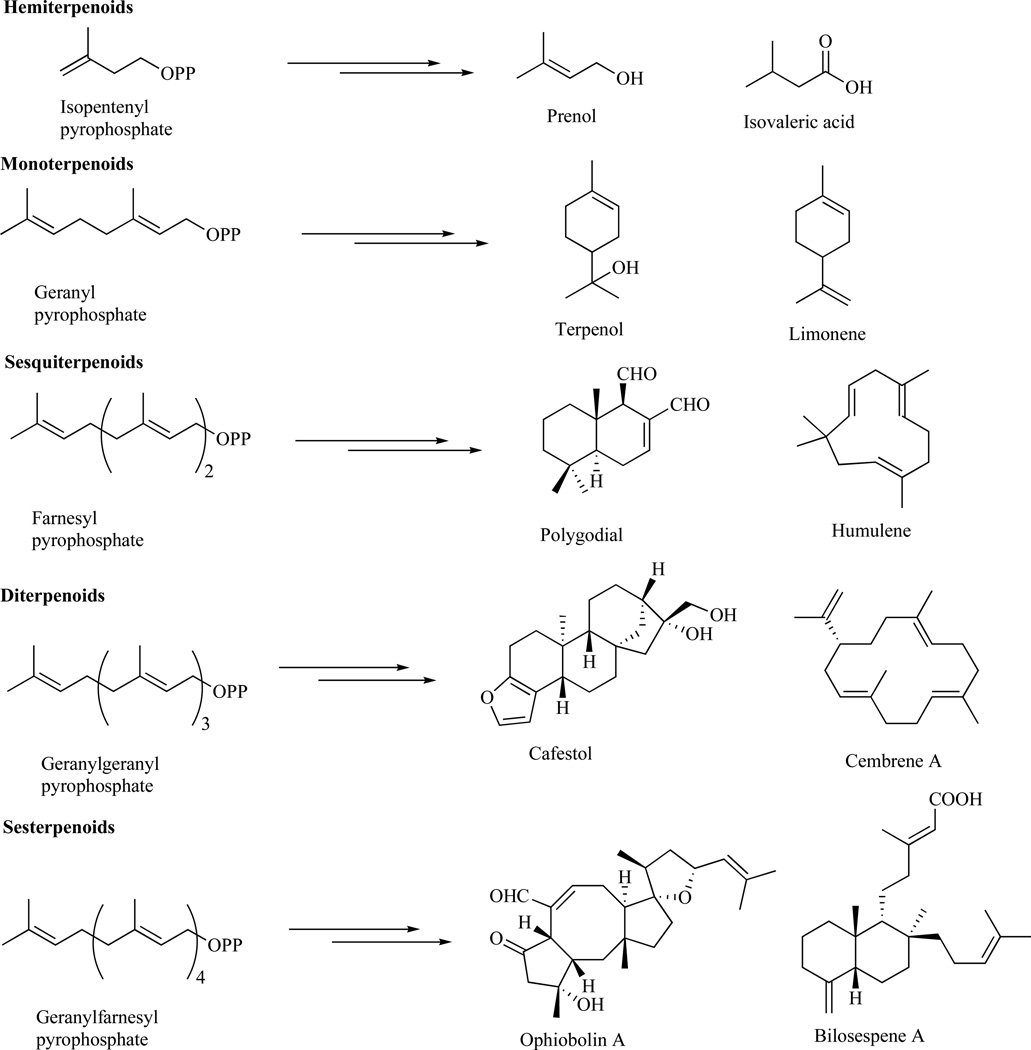
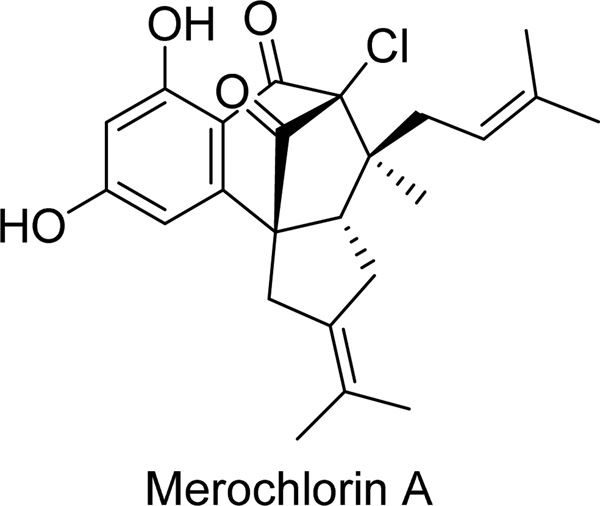
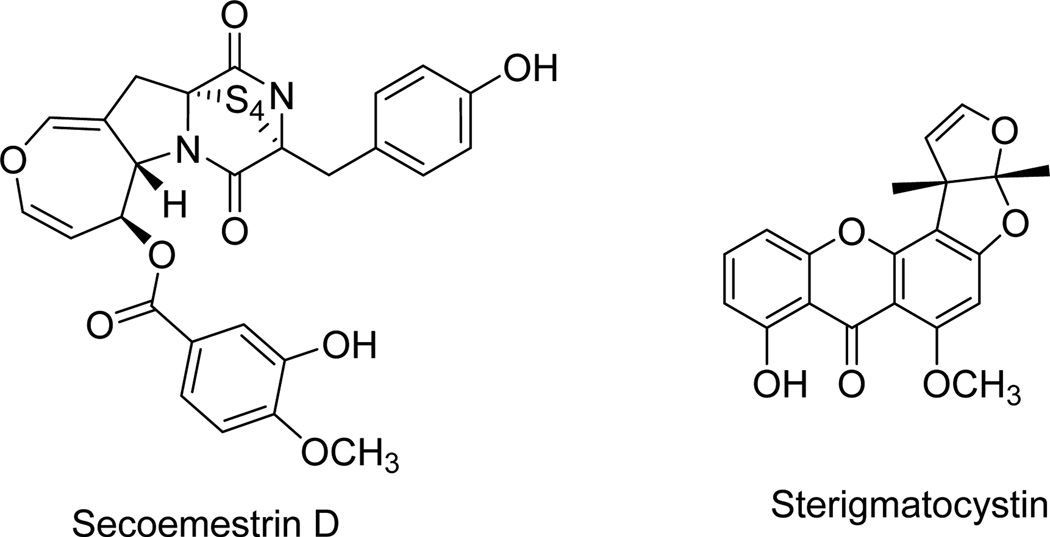
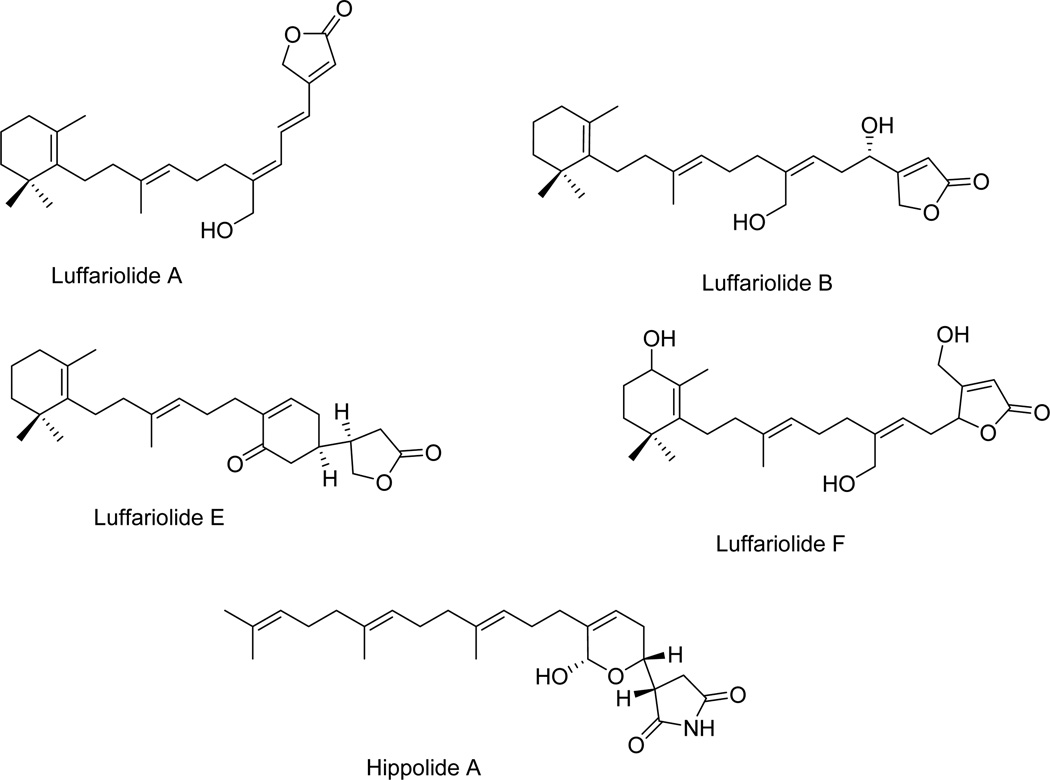
Abstract
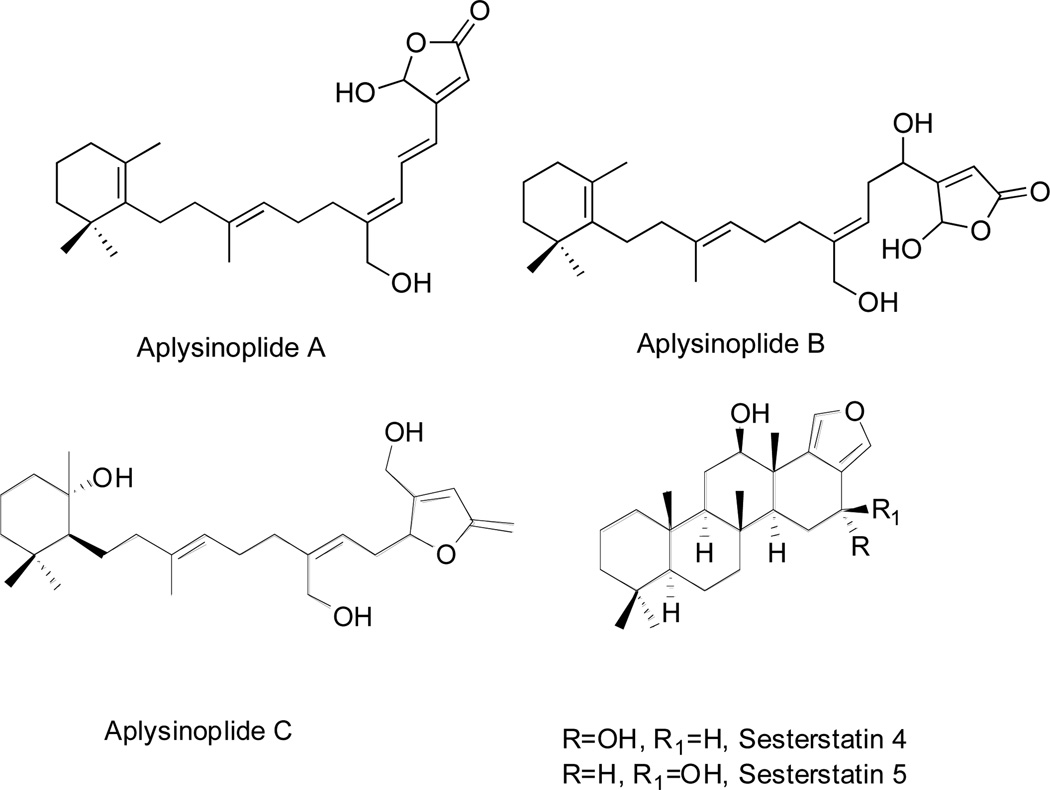
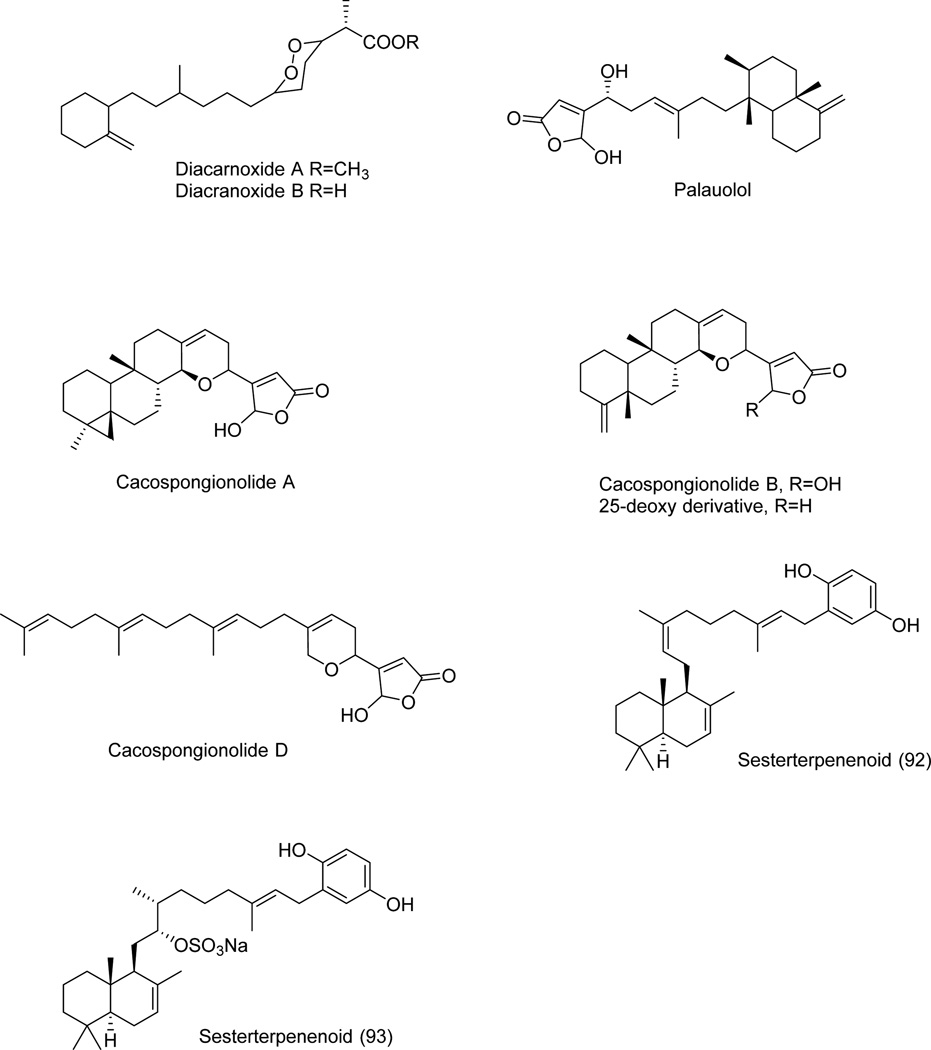
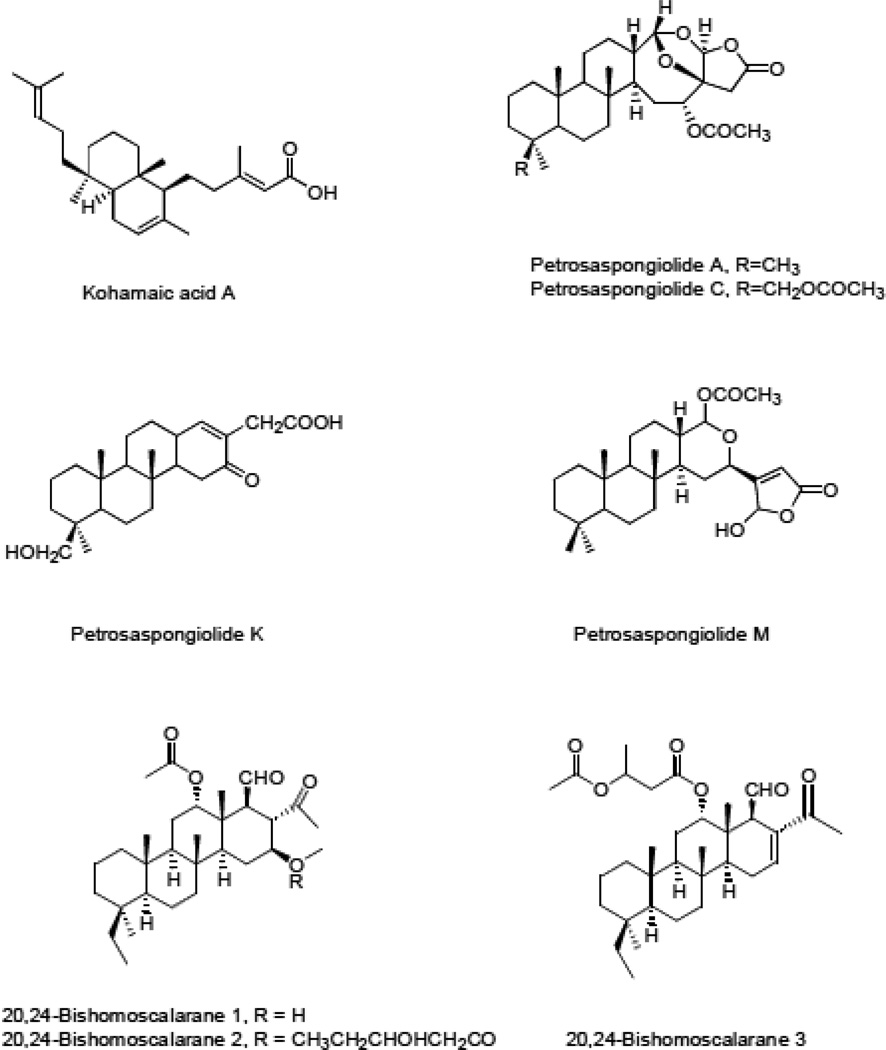
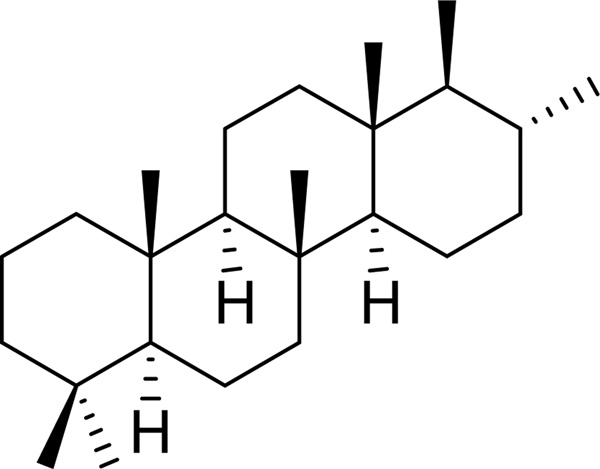
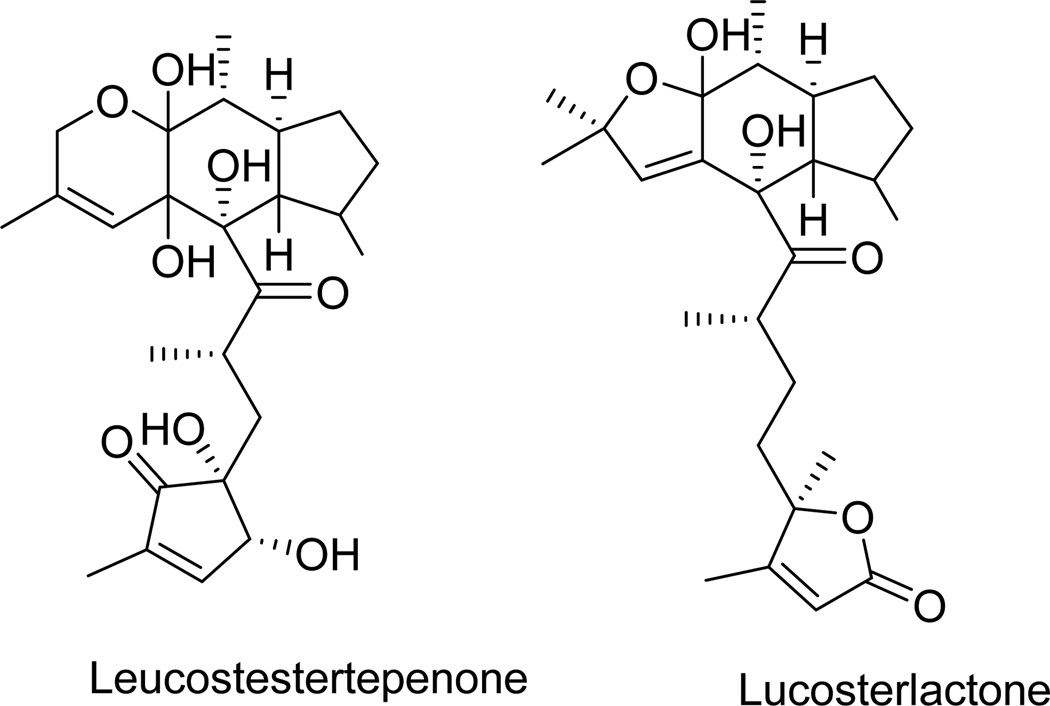
Terpenes have received a great deal of attention in the scientific literature due to complex, synthetically challenging structures and diverse biological activities associated with this class of natural products. Based on the number of C5 isoprene units they are generated from, terpenes are classified as hemi- (C5), mono- (C10), sesqui- (C15), di- (C20), sester- (C25), tri (C30), and tetraterpenes (C40). Among these, sesterterpenes and their derivatives known as sesterterpenoids, are ubiquitous secondary metabolites in fungi, marine organisms, and plants. Their structural diversity encompasses carbotricyclic ophiobolanes, polycyclic anthracenones, polycyclic furan-2-ones, polycyclic hydroquinones, among many other carbon skeletons. Furthermore, many of them possess promising biological activities including cytotoxicity and the associated potential as anticancer agents. This review discusses the natural sources that produce sesterterpenoids, provides sesterterpenoid names and their chemical structures, biological properties with the focus on anticancer activities and literature references associated with these metabolites. A critical summary of the potential of various sesterterpenoids as anticancer agents concludes the review.
Conflict of interest statement
The authors confirm that this article content has no conflict of interest.
Figures






References
-
- Dewick PM. Medicinal Natural Products – A Biosynthetic Approach. Chichester: John Wiley & Sons Ltd; 2009. pp. 197–306.
-
- Osbourn AE, Lanzotti V. Plant-derived Natural Products – Synthesis, Function and Application. Dortdrecht: Springer; 2009. pp. 3–50.
-
- Cimmino A, Andolfi A, Evidente A. Phytotoxic terpenes produced by phytopathogenic fungi and allelopathic plants. Nat. Prod. Comm. 2014;9:401–408. - PubMed
-
- Schnitzler J-P, Louis S, Behnke K, Loivamäki M. Poplar volatiles - biosynthesis, regulation (eco)physiology of isoprene and stress-induced isoprenoids. Plant Biol. 2012;12:302–316. - PubMed
-
- Banthorpe DV, Charlwood BV, Francis MJO. The Biosynthesis of monoterpenes. Chem. Rev. 1972;72:115–119. - PubMed
Publication types
MeSH terms
Substances
Grants and funding
LinkOut - more resources
Full Text Sources
Miscellaneous
