


Current status of pig kidney xenotransplantation
- PMID: 26305729
- PMCID: PMC4684762
- DOI: 10.1016/j.ijsu.2015.07.721
Current status of pig kidney xenotransplantation
Abstract
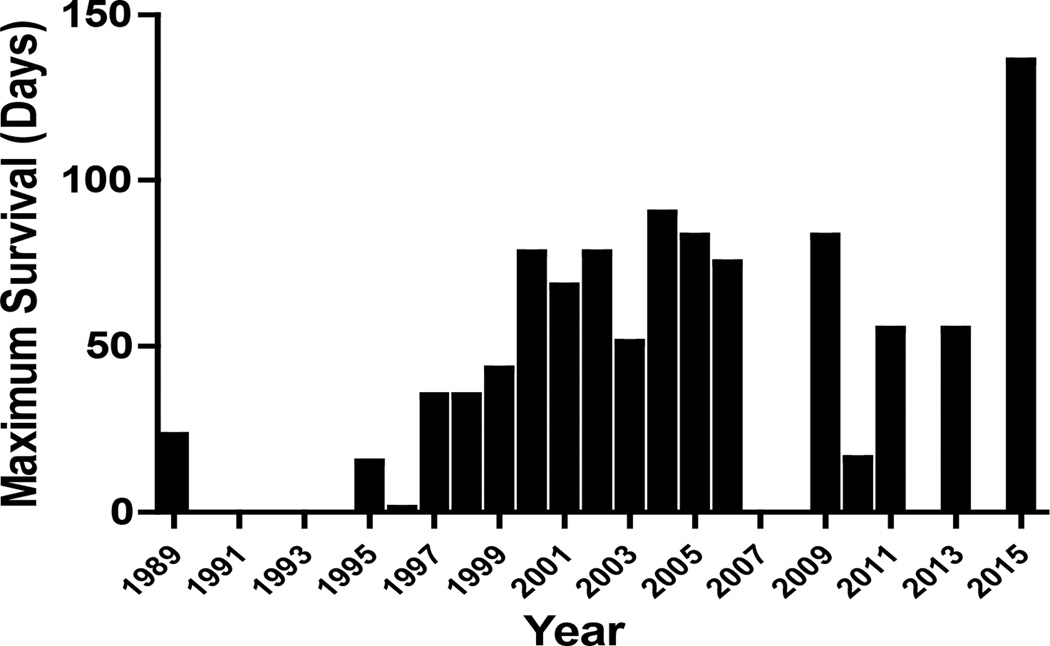
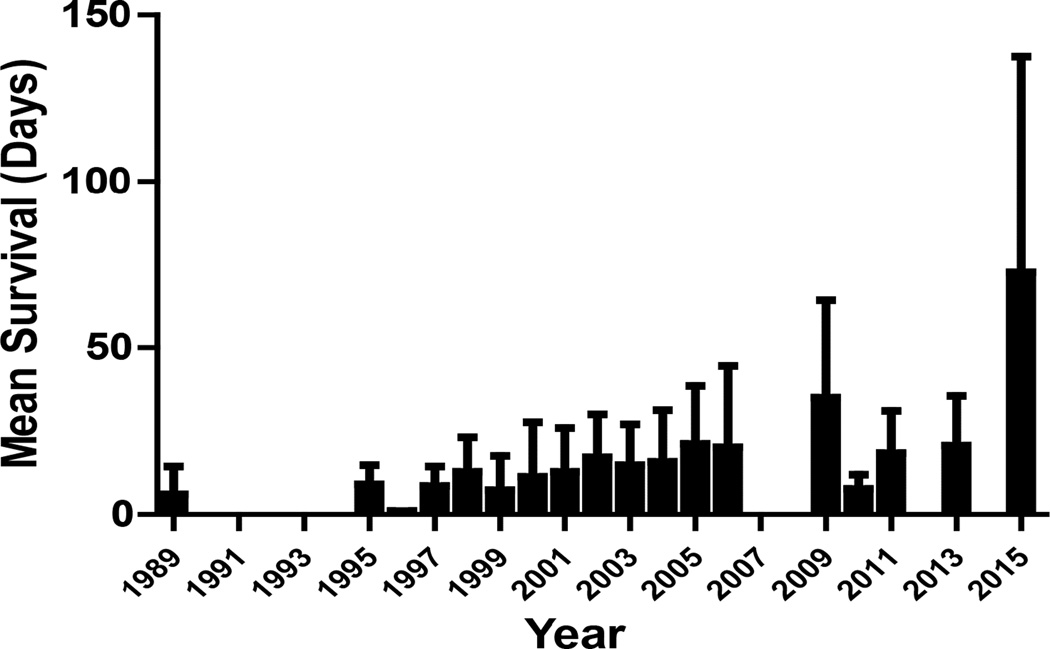
Significant progress in life-supporting kidney xenograft survival in nonhuman primates (NHPs) has been associated largely with the increasing availability of pigs with genetic modifications that protect the pig tissues from the primate immune response and/or correct molecular incompatibilities between pig and primate. Blockade of the CD40/CD154 costimulation pathway with anti-CD154 mAb therapy has contributed to prolongation of kidney xenograft survival, although this agent may not be clinically available. An anti-CD40 mAb-based regimen is proving equally successful, but blockade of the CD28/B7 pathway is inadequate. Severe proteinuria were uniformly documented in the early studies of pig kidney xenotransplantation, but whether this resulted from immune injury or from physiological incompatibilities between the species, or both, remained uncertain. Recent experiments suggest it was related to a continuing immune response. Before 2014, the longest survival of a pig kidney graft in a NHP was 90 days, though graft survival >30 days was unusual. Recently this has been extended to >125 days, without features of a consumptive coagulopathy or a protein-losing nephropathy. In conclusion, overcoming the immune, coagulation, and inflammatory responses by the development of precise genetic modifications in donor pigs, along with effective immunosuppressive and anticoagulant/anti-inflammatory therapy is advancing the field towards clinical trials.
Keywords: Kidney; Nonhuman primate; Pig; Xenotransplantation.
Copyright © 2015 IJS Publishing Group Limited. Published by Elsevier Ltd. All rights reserved.
Conflict of interest statement
none
Figures
References
-
- Lexer G, Cooper DK, Rose AG, Wicomb WN, Rees J, Keraan M, et al. Hyperacute rejection in a discordant (pig to baboon) cardiac xenograft model. J Heart Transplant. 1986;5:411–418. - PubMed
-
- Cooper DK, Human PA, Lexer G, Rose AG, Rees J, Keraan M, et al. Effects of cyclosporine and antibody adsorption on pig cardiac xenograft survival in the baboon. J Heart Transplant. 1988;7:238–246. - PubMed
-
- Alexandre GPJ, Gianello P, Latinne D, Carlier M, Dewaele A, van Obbergh L. Plasmapheresis and splenectomy in experimental renal xenotransplantation. In: Hardy M, editor. Xenograft. Vol. 25. Amsterdam, New York, Oxford: Excerpta Medica; 1989. pp. 259–266.
-
- Lambrigts D, Sachs DH, Cooper DK. Discordant organ xenotransplantation in primates: world experience and current status. Transplantation. 1998;66:547–561. - PubMed
Publication types
MeSH terms
Substances
Grants and funding
LinkOut - more resources
Full Text Sources
Other Literature Sources
Medical
Research Materials