


A review on potential neurotoxicity of titanium dioxide nanoparticles
- PMID: 26306536
- PMCID: PMC4549355
- DOI: 10.1186/s11671-015-1042-9
A review on potential neurotoxicity of titanium dioxide nanoparticles
Abstract
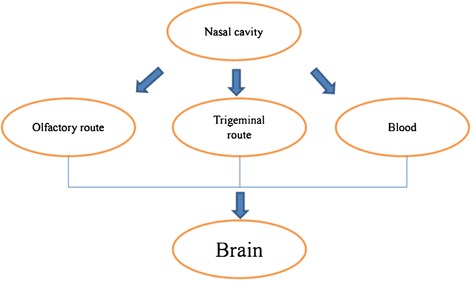
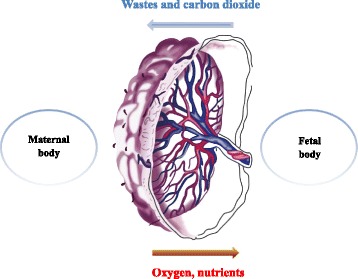
As the rapid development of nanotechnology in the past three decades, titanium dioxide nanoparticles (TiO2 NPs), for their peculiar physicochemical properties, are widely applied in consumer products, food additives, cosmetics, drug carriers, and so on. However, little is known about their potential exposure and neurotoxic effects. Once NPs are unintentionally exposed to human beings, they could be absorbed, and then accumulated in the brain regions by passing through the blood-brain barrier (BBB) or through the nose-to-brain pathway, potentially leading to dysfunctions of central nerve system (CNS). Besides, NPs may affect the brain development of embryo by crossing the placental barrier. A few in vivo and in vitro researches have demonstrated that the morphology and function of neuronal or glial cells could be impaired by TiO2 NPs which might induce cell necrosis. Cellular components, such as mitochondrial, lysosome, and cytoskeleton, could also be influenced as well. The recognition ability, spatial memory, and learning ability of TiO2 NPs-treated rodents were significantly impaired, which meant that accumulation of TiO2 NPs in the brain could lead to neurodegeneration. However, conclusions obtained from those studies were not consistent with each other as researchers may choose different experimental parameters, including administration ways, dosage, size, and crystal structure of TiO2 NPs. Therefore, in order to fully understand the potential risks of TiO2 NPs to brain health, figure out research areas where further studies are required, and improve its bio-safety for applications in the near future, how TiO2 NPs interact with the brain is investigated in this review by summarizing the current researches on neurotoxicity induced by TiO2 NPs.
Figures
References
LinkOut - more resources
Full Text Sources
Other Literature Sources
Miscellaneous
