


Glaucoma Genes and Mechanisms
- PMID: 26310163
- PMCID: PMC6663557
- DOI: 10.1016/bs.pmbts.2015.04.008
Glaucoma Genes and Mechanisms
Abstract
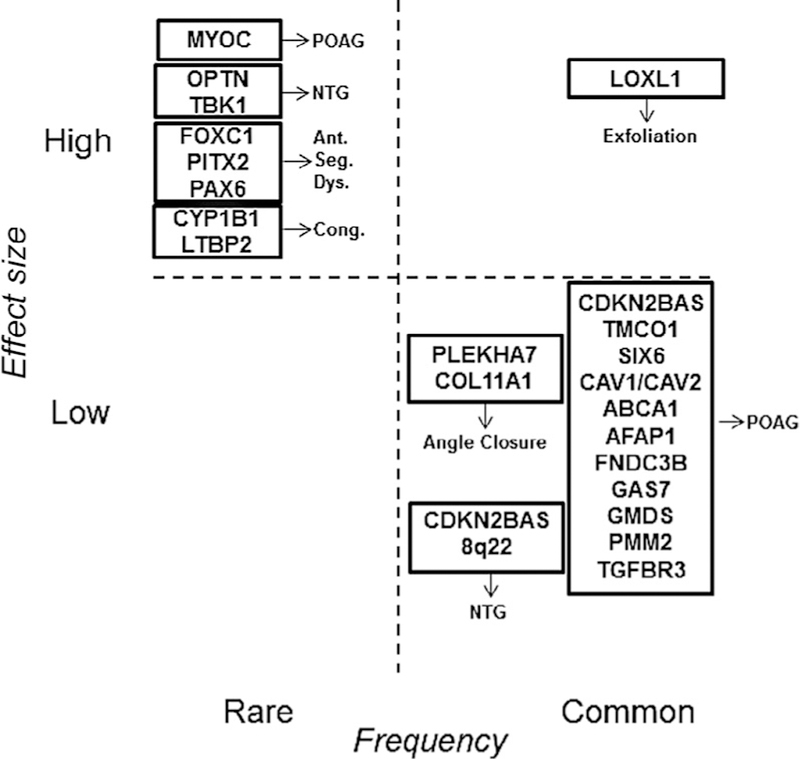
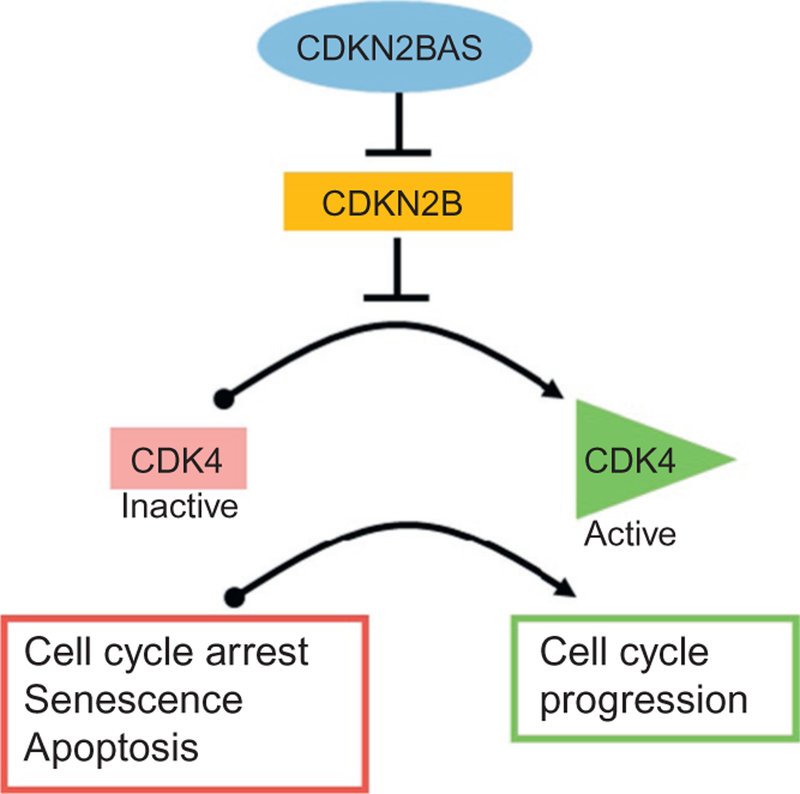
Genetic studies have yielded important genes contributing to both early-onset and adult-onset forms of glaucoma. The proteins encoded by the current collection of glaucoma genes participate in a broad range of cellular processes and biological systems. Approximately half the glaucoma-related genes function in the extracellular matrix, however proteins involved in cytokine signaling, lipid metabolism, membrane biology, regulation of cell division, autophagy, and ocular development also contribute to the disease pathogenesis. While the function of these proteins in health and disease are not completely understood, recent studies are providing insight into underlying disease mechanisms, a critical step toward the development of gene-based therapies. In this review, genes known to cause early-onset glaucoma or contribute to adult-onset glaucoma are organized according to the cell processes or biological systems that are impacted by the function of the disease-related protein product.
Keywords: Autophagy; Caveolins; Complex trait; Extracellular matrix; Glaucoma; Inheritance; Lipid metabolism; Mendelian trait; NOS3; Ocular development; Regulation of cell cycle; TGF-beta; TNF-alpha.
© 2015 Elsevier Inc. All rights reserved.
Figures
References
-
- Tham YC, Li X, Wong TY, Quigley HA, Aung T, Cheng CY. Global prevalence of glaucoma and projections of glaucoma burden through 2040: a systematic review and meta-analysis. Ophthalmology 2014;121(11):2081–2090. - PubMed
Publication types
MeSH terms
Grants and funding
LinkOut - more resources
Full Text Sources
Other Literature Sources
Medical
