


Potential analgesic effects of a novel N-acylethanolamine acid amidase inhibitor F96 through PPAR-α
- PMID: 26310614
- PMCID: PMC4550851
- DOI: 10.1038/srep13565
Potential analgesic effects of a novel N-acylethanolamine acid amidase inhibitor F96 through PPAR-α
Abstract
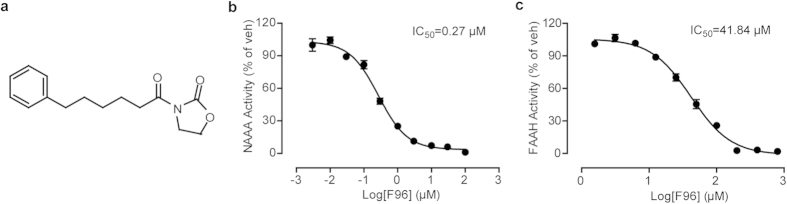
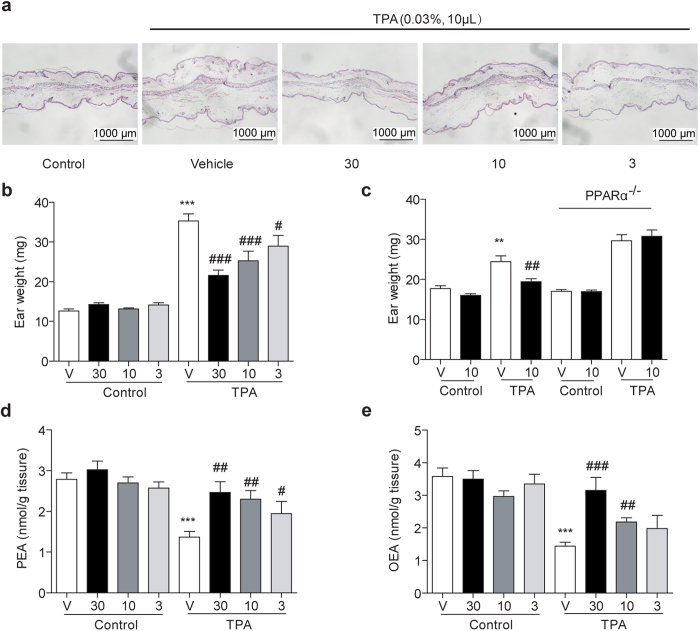
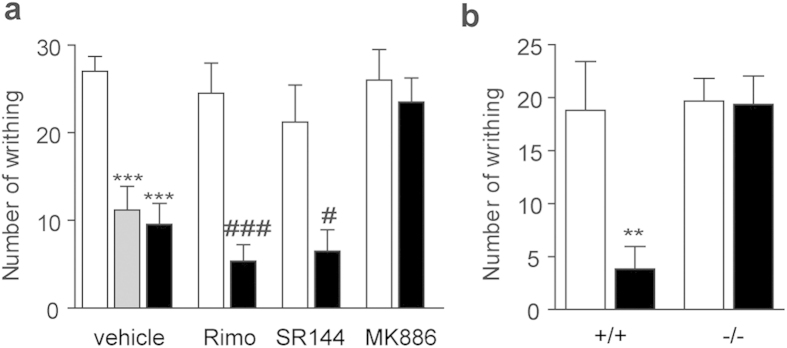
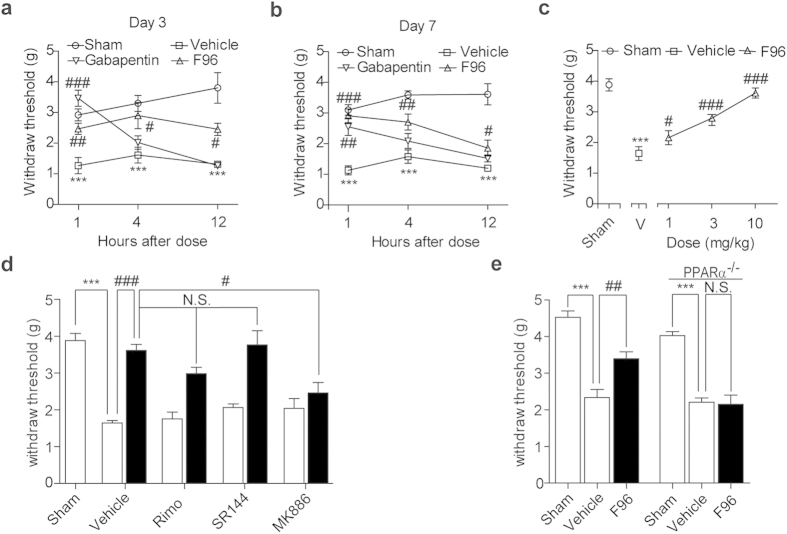
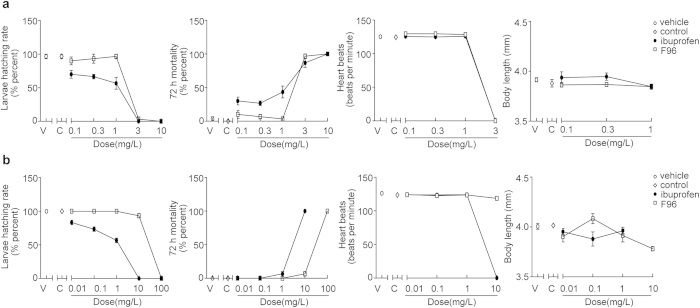
Pharmacological blockade of N-acylethanolamine acid amidase (NAAA) activity is an available approach for inflammation and pain control through restoring the ability of endogenous PEA. But the recently reported NAAA inhibitors suffer from the chemical and biological unstable properties, which restrict functions of NAAA inhibition in vivo. It is still unrevealed whether systematic inhibition of NAAA could modulate PEA-mediated pain signalings. Here we reported an oxazolidinone imide compound 3-(6-phenylhexanoyl) oxazolidin-2-one (F96), which potently and selectively inhibited NAAA activity (IC50 = 270 nM). Intraperitoneal (i.p.) injection of F96 (3-30 mg/kg) dose-dependently reduced ear edema and restored PEA levels of ear tissues in 12-O-Tetradecanoylphorbol-13-acetate (TPA) induced ear edema models. Furthermore, F96 inhibited acetic acid-induced writhing and increased spared nerve injury induced tactile allodynia thresholds in a dose-dependent manner. Pharmacological effects of F96 (10 mg/kg, i.p.) on various animal models were abolished in PPAR-α(-/-) mice, and were prevented by PPAR-α antagonist MK886 but not by canabinoid receptor type 1 (CB1) antagonist Rimonabant nor canabinoid receptor type 2 (CB2) antagonist SR144528. Zebrafish embryos experiments showed better security and lower toxicity for F96 than ibuprofen. These results revealed that F96 might be useful in treating inflammatory and neuropathic pain by NAAA inhibition depending on PPAR-α receptors.
Figures
References
-
- Luongo L., Maione S. & Di Marzo V. Endocannabinoids and neuropathic pain: focus on neuron-glia and endocannabinoid-neurotrophin interactions. Eur. J. Neurosci. 39, 401–408 (2014). - PubMed
-
- LoVerme J. et al. Rapid broad-spectrum analgesia through activation of peroxisome proliferator-activated receptor-alpha. J. Pharmacol. Exp. Ther. 319, 1051–1061 (2006). - PubMed
-
- Lo Verme J. et al. The nuclear receptor peroxisome proliferator-activated receptor-alpha mediates the anti-inflammatory actions of palmitoylethanolamide. Mol. Pharmacol. 67, 15–19 (2005). - PubMed
-
- Suardíaz M., Estivill-Torrús G., Goicoechea C., Bilbao A. & Rodríguez de Fonseca F. Analgesic properties of oleoylethanolamide (OEA) in visceral and inflammatory pain. Pain 133, 99–110 (2007). - PubMed
Publication types
MeSH terms
Substances
LinkOut - more resources
Full Text Sources
Other Literature Sources
