


Physiology Considerations in Geriatric Patients
- PMID: 26315630
- PMCID: PMC4556136
- DOI: 10.1016/j.anclin.2015.05.003
Physiology Considerations in Geriatric Patients
Abstract
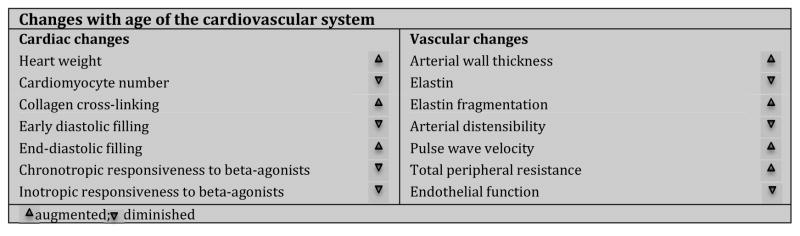
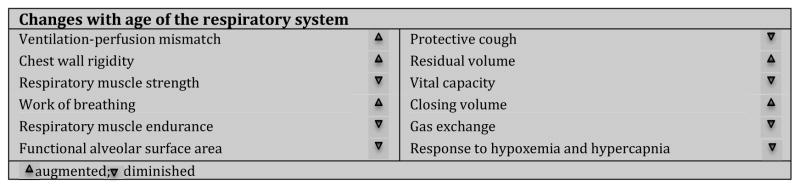
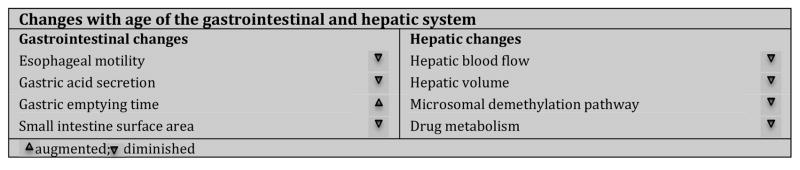
Physiology changes at the structural, functional, and molecular levels as people age, and every major organ system experiences physiologic change with time. The changes to the nervous system result mostly in cognitive impairments, the cardiovascular system develops higher blood pressures with lower cardiac output, the respiratory system undergoes a reduction of arterial oxyhemoglobin levels, the gastrointestinal system experiences delayed gastric emptying and reduction of hepatic metabolism, and the renal system experiences a diminished glomerular filtration rate. Combined, these changes create a complex physiologic condition. This unique physiology must be taken into consideration for geriatric patients undergoing general anesthesia.
Keywords: Aging; Cardiovascular aging; Geriatric; Neurologic aging; Physiology.
Copyright © 2015 Elsevier Inc. All rights reserved.
Conflict of interest statement
Conflicts of Interest: None.
Figures


References
-
- BMJ MSS. Physiology of ageing. Anaesthesia and Intensive Care Medicine. 2013;14:310–2.
-
- Schmucker DL. Age-related changes in liver structure and function: Implications for disease? Experimental gerontology. 2005;40:650–9. - PubMed
-
- Rooke GA. Cardiovascular aging and anesthetic implications. Journal of cardiothoracic and vascular anesthesia. 2003;17:512–23. - PubMed
-
- Priebe HJ. The aged cardiovascular risk patient. British journal of anaesthesia. 2000;85:763–78. - PubMed
-
- Small SA. Age-related memory decline: current concepts and future directions. Archives of neurology. 2001;58:360–4. - PubMed
Publication types
MeSH terms
Grants and funding
LinkOut - more resources
Full Text Sources
Other Literature Sources
