


TNF signaling mediates an enzalutamide-induced metastatic phenotype of prostate cancer and microenvironment cell co-cultures
- PMID: 26327448
- PMCID: PMC4694862
- DOI: 10.18632/oncotarget.4535
TNF signaling mediates an enzalutamide-induced metastatic phenotype of prostate cancer and microenvironment cell co-cultures
Abstract
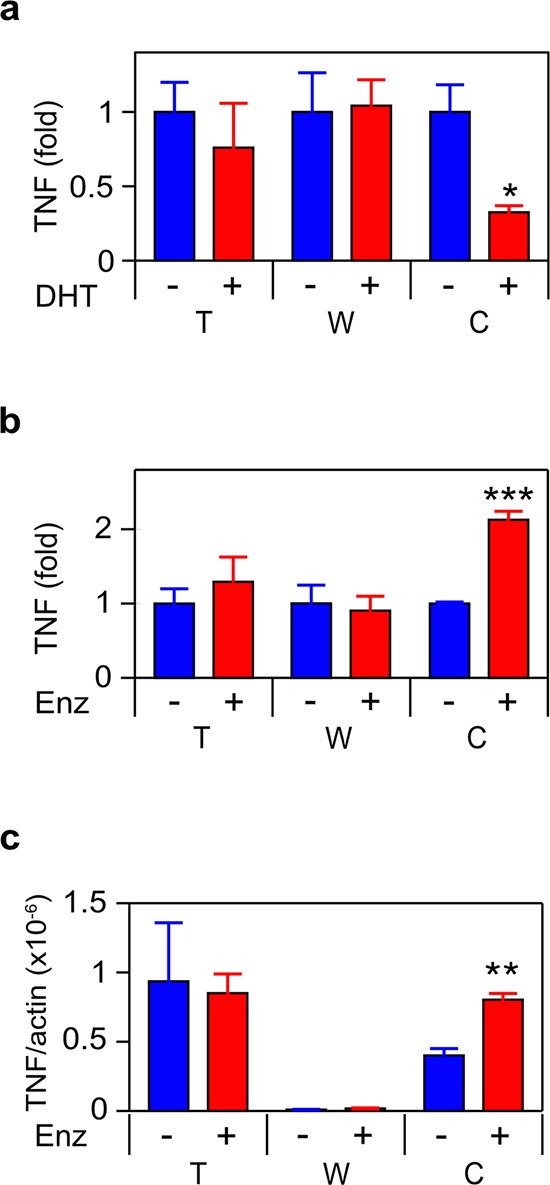
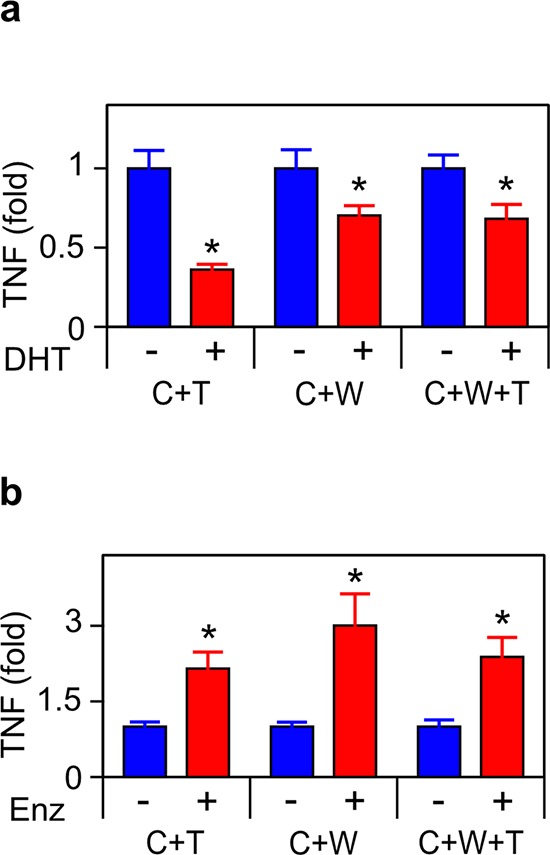
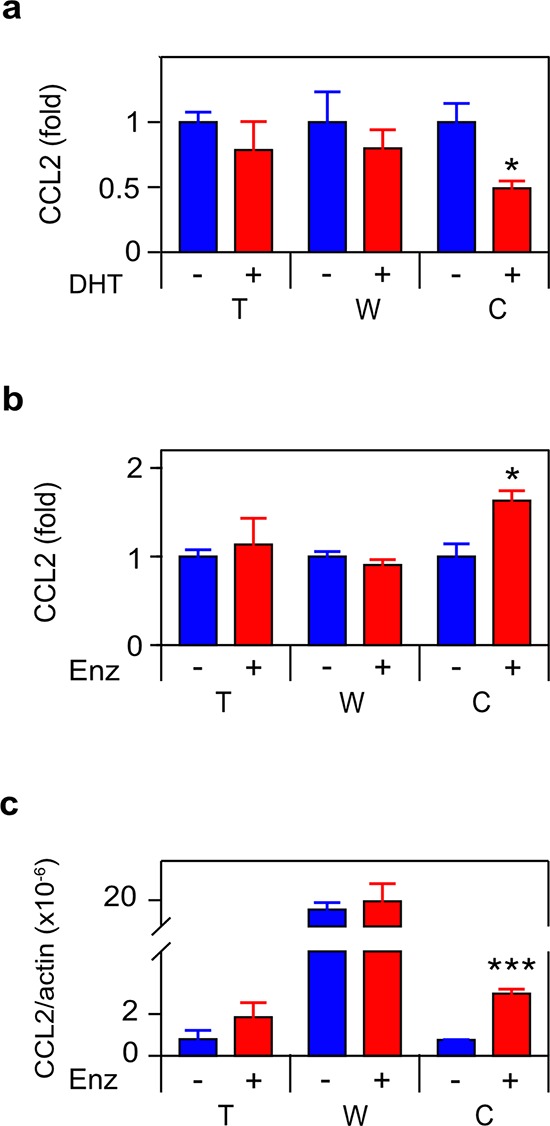
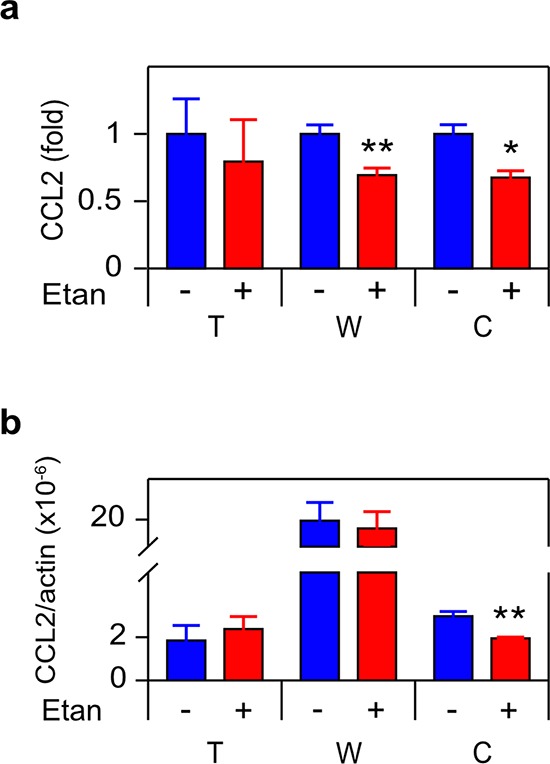
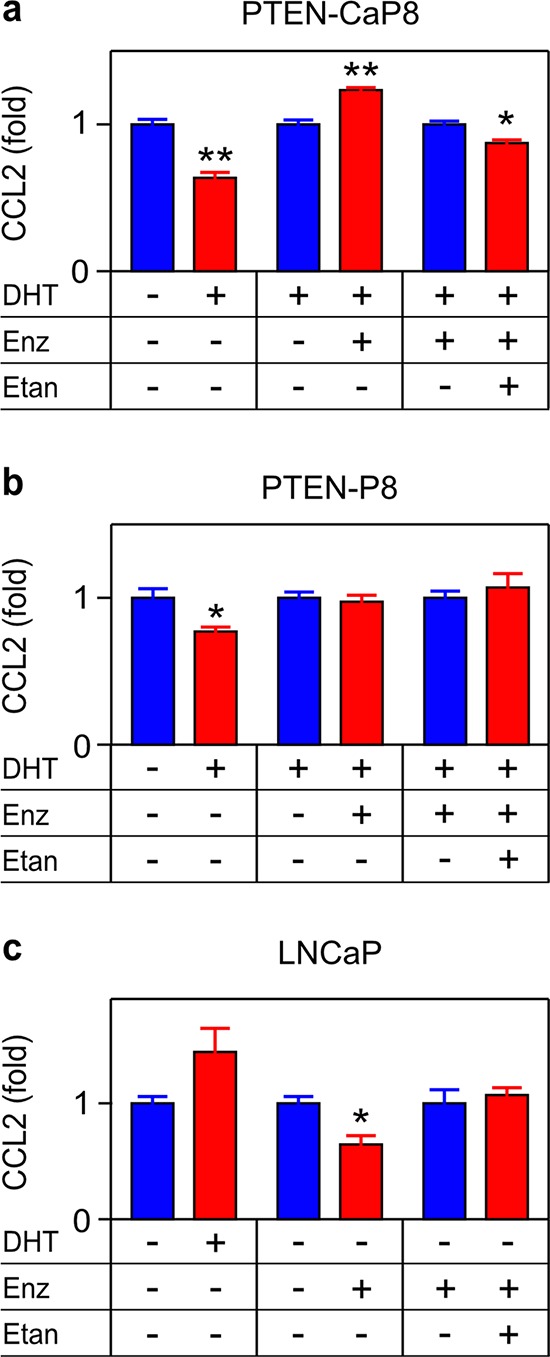
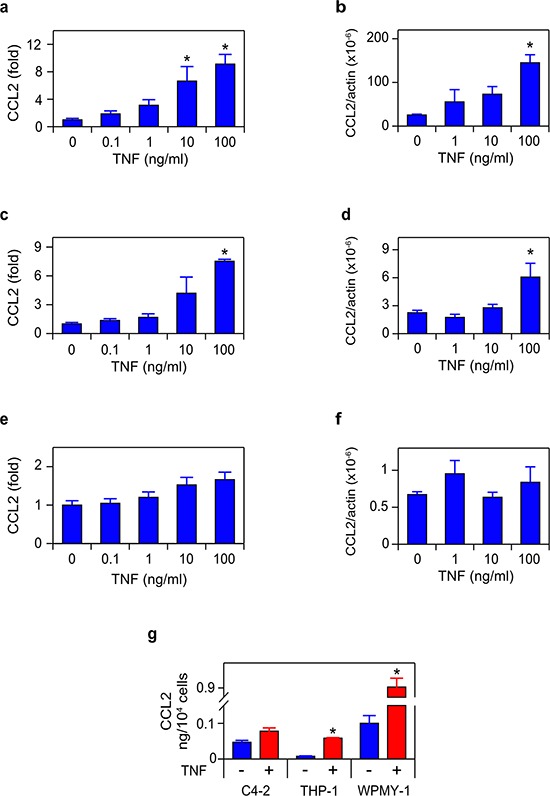
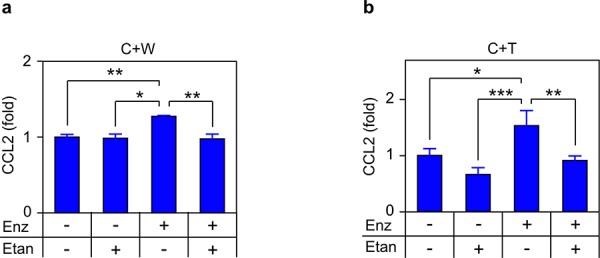
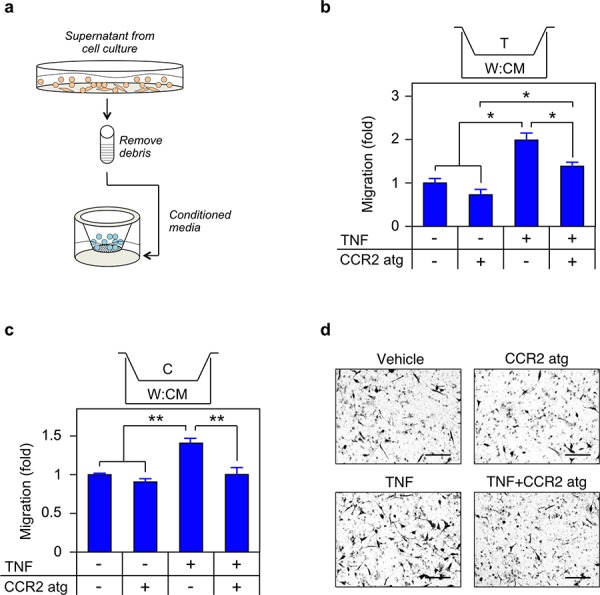
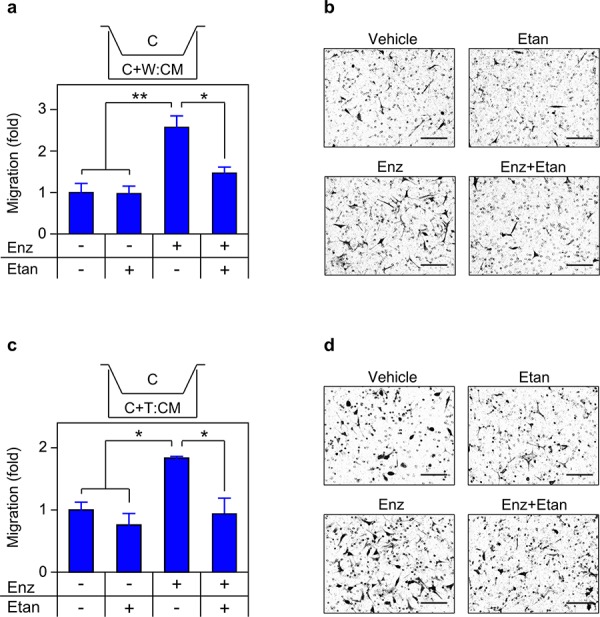
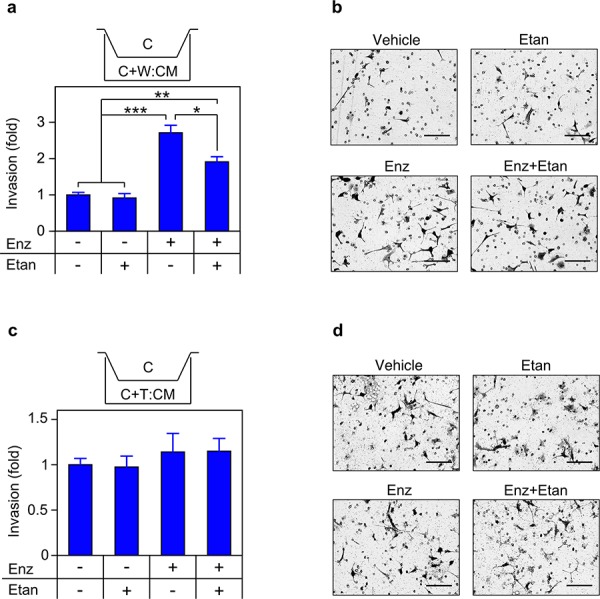
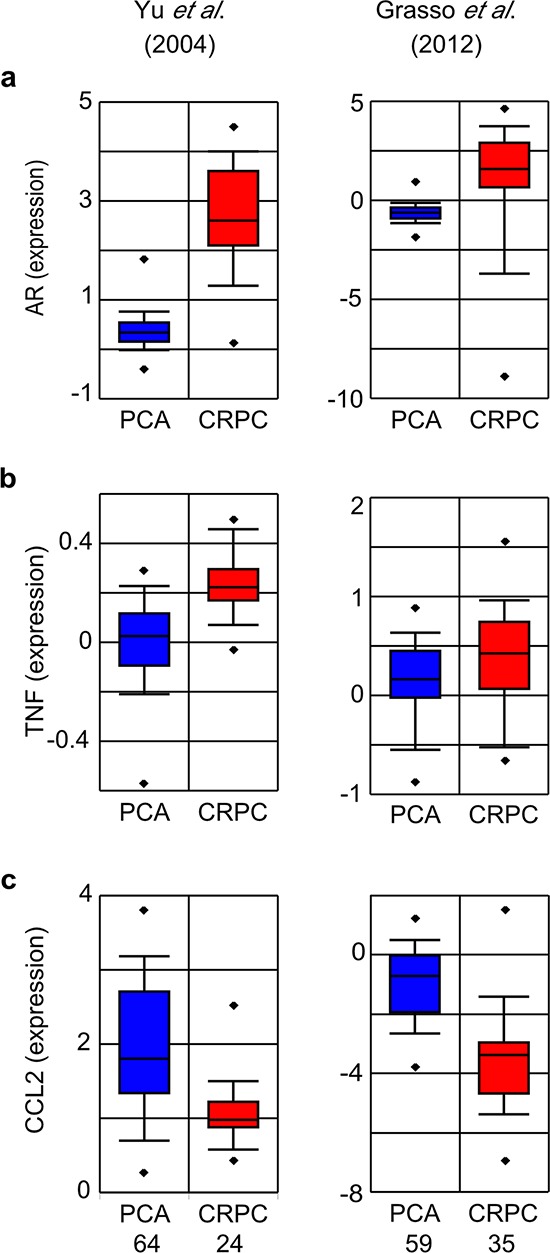
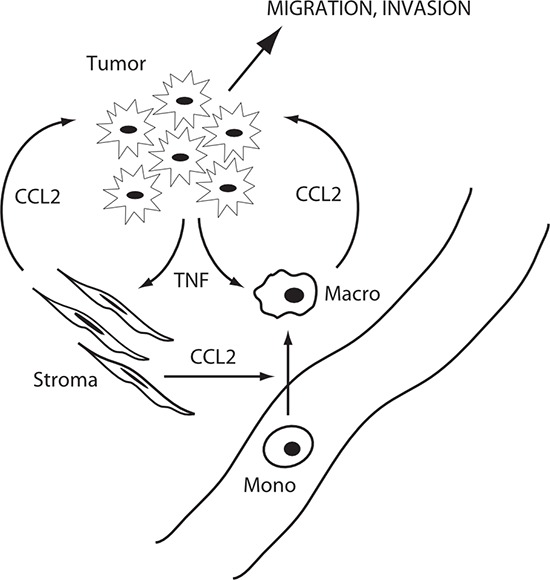
The dramatic responses tumors display to targeted therapies are limited by acquired or pre-existing mechanisms of therapy resistance. We recently discovered that androgen receptor blockade by the anti-androgen enzalutamide paradoxically enhanced metastasis and that these pro-metastatic effects were mediated by the chemoattractant CCL2. CCL2 is regulated by TNF, which is negatively regulated by androgen signaling. Thus, we asked if TNF mediates the pro-metastatic effects of enzalutamide. We found that androgen withdrawal or enzalutamide induced TNF mRNA and protein secretion in castration resistant prostate cancer (C4-2) cells, but not in macrophage-like (THP1) or myofibroblast-like (WPMY1) cells. Androgen deprivation therapy (ADT) induced autocrine CCL2 expression in C4-2 (as well as a murine CRPC cell line), while exogenous TNF induced CCL2 in THP1 and WPMY1. TNF was most potent in myofibroblast cultures, suggesting ADT induces CCL2 via paracrine interactions within the tumor microenvironment. A soluble TNF receptor (etanercept) blocked enzalutamide-induced CCL2 protein secretion and mRNA, implying dependence on secreted TNF. A small molecule inhibitor of CCR2 (the CCL2 receptor) significantly reduced TNF induced migration, while etanercept inhibited enzalutamide-induced migration and invasion of C4-2. Analysis of human prostate cancers suggests that a TNF-CCL2 paracrine loop is induced in response to ADT and might account for some forms of prostate cancer therapy resistance.
Keywords: CCL2; TNF; enzalutamide; metastasis; microenvironment.
Conflict of interest statement
The authors declare no conflict of interest.
Figures
References
-
- Weinstein IB. Cancer. Addiction to oncogenes—the Achilles heal of cancer. Science. 2002;297:63–64. - PubMed
-
- Sawyers C. Targeted cancer therapy. Nature. 2004;432:294–297. - PubMed
-
- Lackner MR, Wilson TR, Settleman J. Mechanisms of acquired resistance to targeted cancer therapies. Future oncology. 2012;8:999–1014. - PubMed
-
- Kwak EL, Sordella R, Bell DW, Godin-Heymann N, Okimoto RA, Brannigan BW, Harris PL, Driscoll DR, Fidias P, Lynch TJ, Rabindran SK, McGinnis JP, Wissner A, et al. Irreversible inhibitors of the EGF receptor may circumvent acquired resistance to gefitinib. Proc Natl Acad Sci U S A. 2005;102:7665–7670. - PMC - PubMed
Publication types
MeSH terms
Substances
Grants and funding
LinkOut - more resources
Full Text Sources
Other Literature Sources
Molecular Biology Databases
Miscellaneous
